





This Women’s Day, the changing landscape of healthcare leadership highlights a significant shift towards empathy-led systems and patient-focused care. We feature a healthcare entrepreneur, Suhasini Deshmukh, Co-founder and Director of MedRabbits Healthcare, whose journey from clinical nutrition to co-founding MedRabbits demonstrates a dedication to making healthcare more connected and accessible. While speaking to Bhavna Satsangi from Square Foot Story, she shares how blending operational clarity with a truly human approach, she aims to develop patient-centric healthcare systems that prioritise trust, continuity, and meaningful support for families navigating medical journeys.

This Women’s Day, how do you reflect on your journey from being a qualified nutritionist to co-founding a healthcare venture focused on patient-centric delivery?
The journey from being a nutritionist to co-founding MedRabbits has been shaped by years of closely listening to patients and their families. In clinical practice, it became clear that people were not only looking for medical advice. They were looking for clarity, reassurance, and someone who could guide them through what often felt like a complicated system. Many families felt overwhelmed managing appointments, diagnostics, hospital visits, and follow-ups on their own. That gap between treatment and true support stayed in mind. MedRabbits was built on the belief that healthcare should feel connected and continuous, not fragmented. This Women’s Day is a moment to reflect on how deeply patient interactions influenced this path and how the simple desire to care better evolved into building an integrated care platform rooted in trust.
Healthcare operations can often be complex and high-pressure. What motivated you to step into a leadership role within this space?
Healthcare naturally operates in high-pressure situations, where decisions matter and time is critical. However, much of the stress patients experience comes from uncertainty and lack of coordination. The motivation to step into leadership came from wanting to simplify that experience. If processes are clear, communication is transparent, and follow-ups are timely, patients feel more secure. Doctors and care teams also feel better supported. Leadership, in this sense, is about building systems that quietly hold everything together in the background, so that patients can focus on healing rather than logistics. It is about bringing structure without losing the human touch.
As a woman entrepreneur in healthcare, what challenges have you faced, and how did you overcome them?
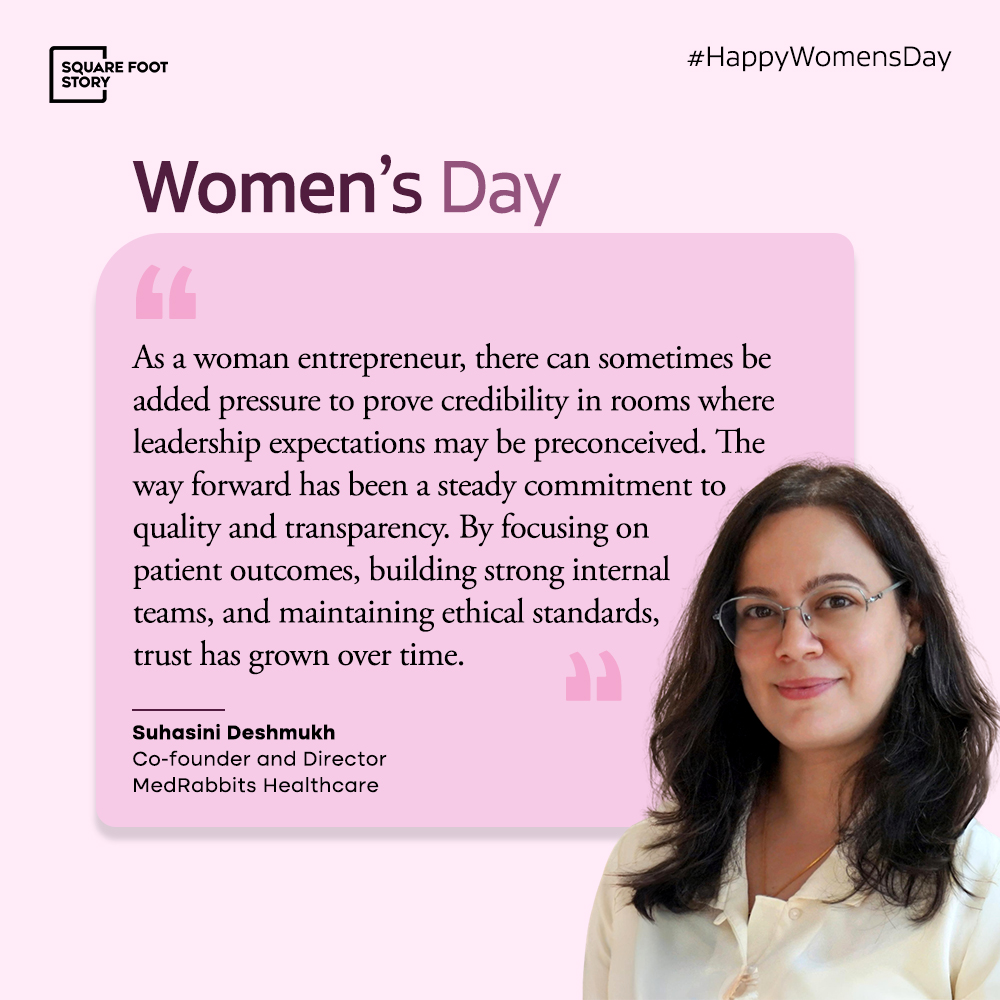
Entrepreneurship in healthcare demands resilience and patience. There are operational challenges, regulatory frameworks, and the constant responsibility of delivering safe and reliable care. As a woman entrepreneur, there can sometimes be added pressure to prove credibility in rooms where leadership expectations may be preconceived. The way forward has been a steady commitment to quality and transparency. By focusing on patient outcomes, building strong internal teams, and maintaining ethical standards, trust has grown over time. Challenges have not been obstacles but learning experiences that strengthened both confidence and clarity of purpose.
How important is empathy in building efficient and patient-focused healthcare systems?
Empathy is at the core of meaningful healthcare. Systems can be efficient on paper, but unless they are built around patient realities, they will never truly work. Patients often come to healthcare providers at vulnerable moments. They may be anxious, confused, or emotionally drained. Listening carefully, explaining processes in simple language, and checking in beyond the mandatory follow-up can make a significant difference. At MedRabbits, efficiency is important, but it is guided by empathy. When patients feel heard and respected, trust develops naturally. That trust becomes the foundation of long-term relationships.

At MedRabbits, you focus on improving operational systems and patient experience. How do you balance strategic planning with hands-on execution?
Growth requires vision, but healthcare demands presence. Strategic planning sets direction for expansion and innovation, including strengthening clinic-based services and home healthcare integration. At the same time, staying closely involved in daily operations ensures that decisions remain practical and patient-focused. Regular conversations with families, feedback from care teams, and direct observation of workflows provide valuable insights. This balance between planning and staying grounded in everyday realities ensures that as MedRabbits grows, it continues to feel approachable and personal rather than distant or corporate.
Do you believe women leaders bring a distinct perspective to healthcare delivery? If so, how?
Women leaders bring strong emotional awareness and collaborative thinking into their roles. In healthcare, these qualities can positively influence patient care and team dynamics. Being attentive to detail, encouraging open communication, and creating supportive environments can make patients feel more comfortable and teams feel more united. Diverse leadership perspectives strengthen healthcare systems and allow for more holistic decision-making. Ultimately, balanced representation helps create more inclusive and compassionate care environments.
What role has education and your foundation at SNDT Women’s University played in shaping your professional confidence?

An educational environment that actively encourages women to lead has a lasting impact. The foundation built at SNDT Women’s University instilled independence, critical thinking, and confidence. Beyond academics, it reinforced the idea that women can take ownership of ideas and build institutions. That sense of empowerment continues to influence professional choices and leadership style. Confidence built early in life often becomes the anchor during challenging entrepreneurial phases.
How can women professionals contribute to making healthcare more accessible and community-driven?
Women often play a central role in family health decisions, which gives them a unique opportunity to influence preventive care and awareness. Women professionals can contribute by promoting early diagnosis, encouraging routine check-ups, and supporting grassroots outreach initiatives. When healthcare education becomes part of everyday conversations within homes and communities, accessibility naturally improves. Community-driven healthcare is built on trust, and women leaders can play a powerful role in strengthening that trust.
What advice would you give young women aspiring to build careers or businesses in healthcare?
Healthcare is demanding but deeply fulfilling. Young women entering this field should invest time in building strong technical knowledge while also developing communication and leadership skills. Patience and resilience are essential because meaningful impact takes time. Seeking mentorship, remaining adaptable, and continuously learning can make the journey smoother. Most importantly, believing in one’s capability to lead and innovate is crucial. Confidence paired with compassion can create a lasting impact.
Looking ahead, what impact do you hope to create — both through MedRabbits and as a woman leader in the healthcare ecosystem?
The long-term goal is to build a healthcare model where patients feel genuinely supported from their first consultation to full recovery. Whether through home healthcare services or clinic-based care, the aim is to ensure that families always feel they have a dependable partner in their health journey. Beyond organisational growth, there is a strong desire to contribute to a healthcare ecosystem that values empathy, accessibility, and collaboration. As a woman leader, the hope is to encourage more women to step into decision-making roles and shape a healthcare future that is both efficient and deeply compassionate.