







Real estate has always been one of the most reliable avenues for long-term wealth creation. However, the difference between an average investment and a highly profitable one often comes down to a single factor — location.
In today’s evolving market, investors are no longer just focusing on prime, saturated locations. Instead, they are identifying emerging real estate hotspots—areas that show strong future growth potential but are still in early development stages.
Understanding where to invest is no longer about guesswork. It is about identifying trends, infrastructure growth, and long-term demand drivers.
What Defines a Real Estate Hotspot?
A real estate hotspot is not just a popular location—it is an area that is on the path of rapid development and value appreciation.
Such locations typically show:
- Increasing infrastructure development
- Growing employment opportunities
- Improved connectivity
- Rising demand for residential and commercial spaces
Investing early in these areas allows buyers to benefit from capital appreciation over time.
Key Factors That Identify Investment Hotspots
1. Infrastructure Development
Infrastructure is one of the strongest drivers of real estate growth. Areas that are witnessing new developments such as highways, metro lines, airports, or commercial zones tend to attract higher investment.
Examples of infrastructure-led growth include:
- Metro rail expansion in urban cities
- Expressways connecting major regions
- Smart city projects
Infrastructure improves accessibility, which directly impacts property demand and pricing.

2. Employment and Economic Growth

Real estate thrives where jobs exist. Locations near IT parks, business hubs, industrial corridors, and commercial centers attract a steady flow of professionals.
This creates:
- High housing demand
- Strong rental markets
- Consistent property appreciation
Investors often target areas close to employment hubs because they offer both rental income and long-term value growth.
3. Connectivity and Accessibility
Connectivity is a major factor influencing property value. Locations with easy access to transportation networks tend to perform better in the long run.
Important connectivity indicators include:
- Proximity to highways and major roads
- Access to public transport (metro, buses, railways)
- Distance from airports
Better connectivity reduces travel time and enhances convenience, making properties more attractive to buyers and tenants

.
4. Social Infrastructure

A good investment location is not just about connectivity—it is also about livability.
Areas with strong social infrastructure offer:
- Schools and educational institutions
- Hospitals and healthcare facilities
- Shopping centers and entertainment zones
These factors make a location more desirable for families, increasing both demand and property value.
5. Urban Expansion and Future Development Plans
Cities are constantly expanding. What is considered a peripheral area today can become a prime location tomorrow.
Smart investors analyze:
- Government development plans
- Zoning changes
- Upcoming residential and commercial projects
Investing in early-stage growth corridors allows buyers to enter at lower prices and benefit from future appreciation.

Why Emerging Hotspots Offer Better Returns
Investing in already developed areas often comes with high entry costs and limited appreciation potential. In contrast, emerging locations offer:
- Lower property prices at entry
- Higher appreciation potential
- Better rental yield opportunities in the future
The key is to identify these areas before they become mainstream.
Examples of Emerging Trends in India
While specific hotspots vary by city, certain trends are visible across India:
- Peripheral urban areas gaining popularity due to affordability
- Transit-oriented developments near metro and expressway corridors
- Tier-2 and Tier-3 cities attracting investments due to infrastructure growth
- Integrated townships offering self-sufficient living environments
These trends indicate a shift from traditional city centers to well-planned growth zones.
Risks to Consider Before Investing
While emerging hotspots offer strong potential, they also come with risks if not evaluated carefully.
Common Risks Include:
- Delayed infrastructure projects
- Over-promising by developers
- Lack of immediate rental demand
- Regulatory or approval issues
Investors should conduct thorough research and verify all claims before making decisions.
How to Make Smart Investment Decisions
To maximize returns, investors should adopt a structured approach:
- Study market trends and data
- Visit the location physically
- Evaluate builder credibility
- Understand future development plans
- Analyze demand-supply dynamics
Avoid making decisions based purely on marketing or short-term hype.
The Role of Technology in Identifying Hotspots
Modern real estate platforms are making it easier to identify investment opportunities through:
- Data-driven insights
- Location analytics
- Infrastructure mapping
- Market trend analysis
Technology reduces dependency on guesswork and enables informed decision-making.
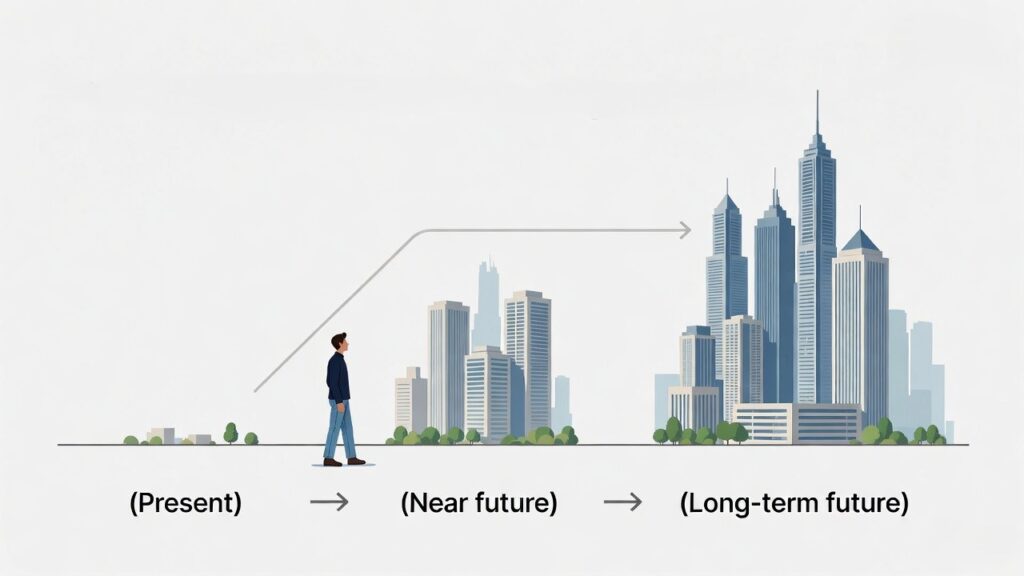
Long-Term Perspective Is Key
Real estate investment is not about quick gains—it is about long-term value creation. Emerging hotspots may take time to mature, but they often deliver strong returns when chosen wisely.
Patience, research, and strategic planning are essential for successful real estate investment.
Final Thoughts
The future of real estate investment lies in identifying opportunities before they become obvious. Emerging hotspots offer the advantage of early entry, higher appreciation potential, and long-term growth.
For investors, the goal is not just to buy property—it is to invest in locations with a future. In real estate, timing matters. And the best time to invest is often before everyone else sees the opportunity.


1 Comment
AnmolChandiok
March 25, 2026Good Content