






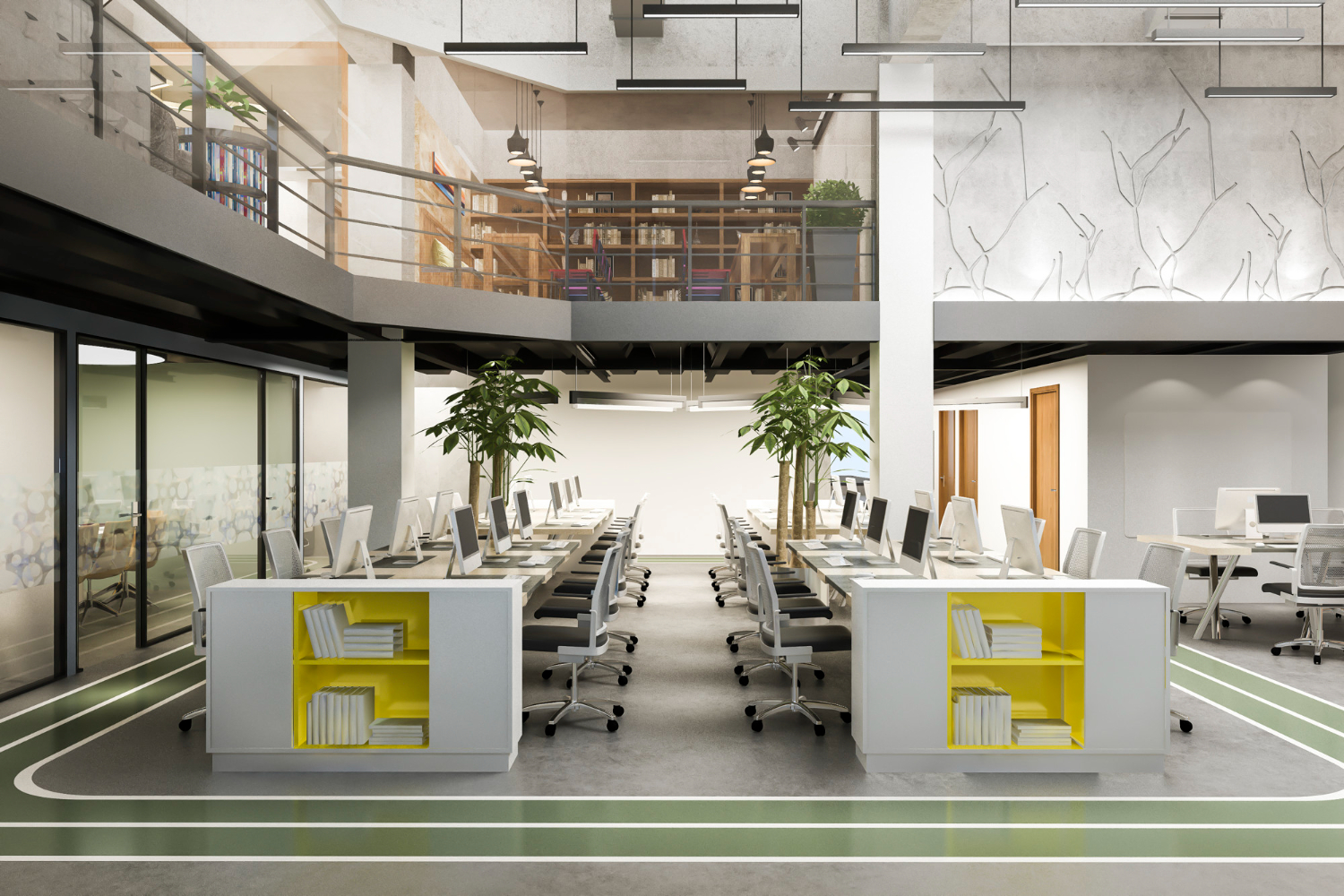

The way we work is changing. From the era of cubicles and fixed desks, we’ve moved into a world where flexibility, collaboration, and culture shape office choices. Today, two main options dominate the business landscape: traditional offices and co-working spaces.
Whether you’re a startup founder, a freelancer, or a growing company, choosing the right workplace isn’t just about square footage — it’s about productivity, cost, and the lifestyle it creates. So, which one works for you? Let’s break it down.
What is a Traditional Office?
A traditional office is a privately leased or owned space used exclusively by a company. It offers full control over the layout, branding, and usage.

Pros:
Privacy & Control – Full authority over who enters and how the office functions.
Brand Identity – Customize design and interiors to reflect your company’s culture.
Long-Term Stability – A fixed address adds credibility, especially for established businesses.
Cons:
Higher Costs – Lease agreements, maintenance, furniture, and utilities add up.
Rigid Commitments – Long leases mean less flexibility if your team size changes.
Slower Setup – Designing and equipping a traditional office can take months.
What is a Co-Working Space?
A co-working space is a shared office environment where individuals and companies work alongside each other. It offers flexible memberships, community events, and plug-and-play infrastructure.
Pros:
Flexibility – Choose hourly, daily, or monthly plans depending on your needs.
Cost-Effective – No overhead for furniture, utilities, or maintenance.
Networking Opportunities – Connect with other professionals, startups, and mentors.
Amenities Included – High-speed internet, meeting rooms, printing, and even free coffee.
Cons:
Less Privacy – Open layouts mean potential distractions.
Branding Limitations – You can’t fully customize the space for your company identity.
Competition for Resources – Meeting rooms or quiet corners may not always be available.
Co-Working vs. Traditional: The Key Differences
Feature Co-Working Space Traditional Office
Cost Low upfront, monthly fees High upfront, long-term leases
Flexibility Highly flexible Fixed & rigid
Privacy Shared, limited Complete control
Networking Built-in opportunities Limited to your team
Setup Time Instant (plug & play) Long setup & customization
Scalability Easy to upgrade/downgrade Difficult & costly
Who Should Choose What?
Co-Working Works Best For:
Startups and freelancers.
Small businesses wanting flexibility.
Teams that value networking and collaboration.
Traditional Offices Work Best For:
Established companies with stable team sizes.
Businesses needing high confidentiality (finance, law, etc.).
Brands wanting to project authority and identity.
Future Trends in Workspaces
Hybrid Models: Many companies are mixing the two — having a traditional HQ with satellite teams in co-working hubs.
Niche Co-Working Spaces: Sector-specific hubs (for design, tech, media).
Tech-Driven Offices: Smart lighting, automation, and wellness features becoming standard.
Final Thoughts
The debate between co-working and traditional offices isn’t about which is “better” — it’s about what fits your business goals, culture, and growth stage.
At Square Foot Story, we explore spaces not just as real estate, but as enablers of productivity and creativity. Whether it’s a buzzing co-working hub or a customized traditional office, every square foot tells a story of how we work.