

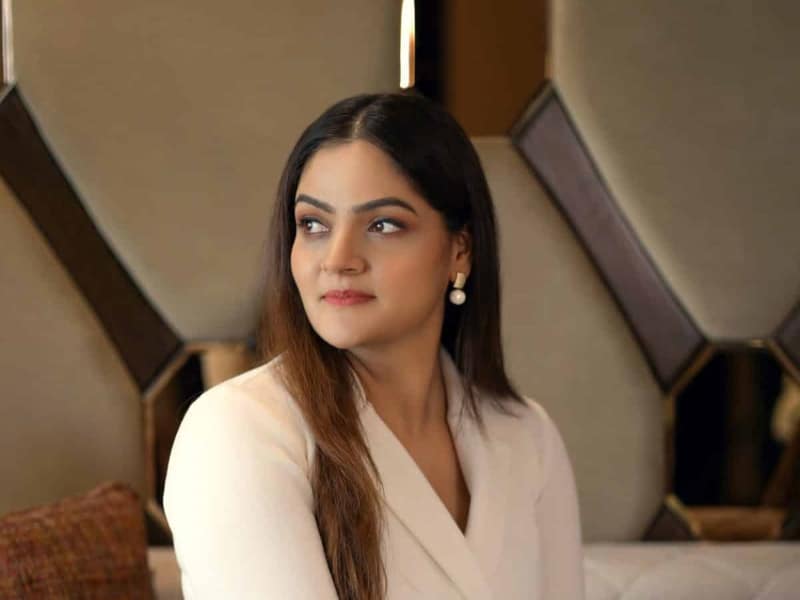
As we are in 2026, the real estate market enters in a new phase where homebuyers no longer want big spaces. They are redefining home buys from modern living spaces to a more sustainable, flexible and long-term value driven. Technology-enabled homes, integrated communities, deeply personal, warm, natural, rich dark-toned is all what is in demand this year. To understand how these trends will shape the future of housing, Amrita Gupta, Director, Manglam Group and CEO, Manglam Spa and Resorts speaks to Bhavna Satsangi from Square Foot Story.
As we approach 2026, real estate is increasingly being described as experience-driven rather than asset-driven. What fundamental shift in buyer mindset is driving this change?
Post-pandemic, buyer priorities have shifted decisively. A home is no longer seen only as an asset, it is seen as an everyday experience. People now evaluate real estate through the lens of comfort, emotional well-being, community living and long-term ease. This is especially visible in Tier II markets like Jaipur, where aspiration has moved beyond ownership to lifestyle.
What is interesting is that buyers today also want purpose with luxury. They expect better design, better air and light, green landscapes, and services that make life easier. Sustainability, too, has moved from being a good-to-have to being a trust marker. Buyers want developments that feel responsible, climate-sensitive and future-ready. This is why the conversation has moved from price-per-square-foot to value-per-day, how the home performs, how it makes you feel, and how it supports the lifestyle you want to live.
Luxury housing has emerged as one of the strongest growth segments. What is redefining luxury today, scale, exclusivity, lifestyle, or a combination of all three?
Luxury housing today is being redefined by a mix of privacy, refinement and experience. Buyers are no longer chasing only scale. They are investing in quiet exclusivity, curated lifestyles, wellness-led planning, and homes that feel service-ready and timeless. Design intelligence, material quality, and a sense of ease have become the new status symbols, far more than sheer size.
This shift is also visible in the numbers. As per CBRE and ASSOCHAM, luxury housing sales rose 85% year-on-year in Jan to Jun 2025, with around 7,000 units sold across India’s top seven cities. In 2024, sales of homes priced ₹4 crore and above increased 53% year-on-year to 19,700 units, underlining the structural strength of premium demand.
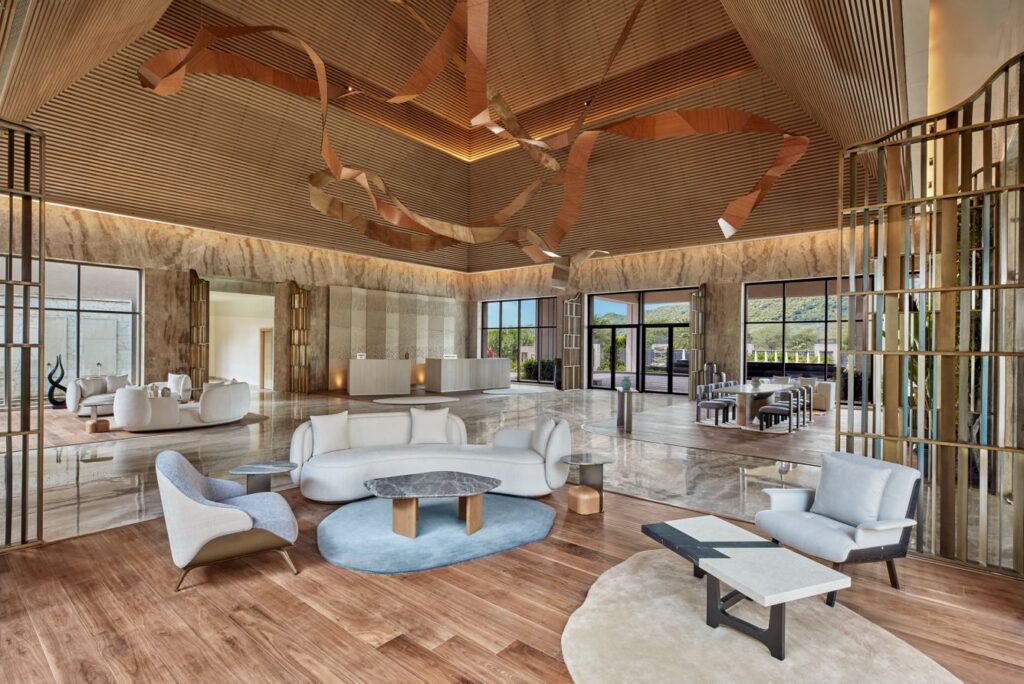
In culturally rich growth markets like Jaipur, luxury is evolving in an even more distinctive direction. It combines global expectations with local design sensibility, where space is not just owned but experienced through comfort, serenity and long-term value.
This shift towards lifestyle has fueled demand for resort-led and second-home developments. Do you see this as a structural trend or a post-pandemic behaviour that has now matured?
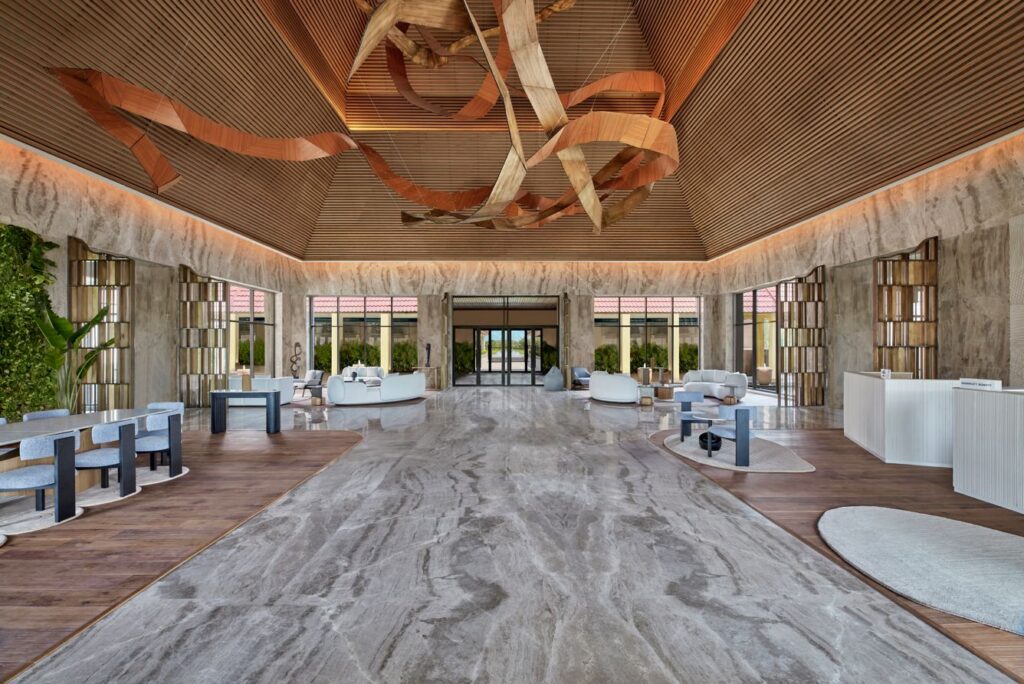
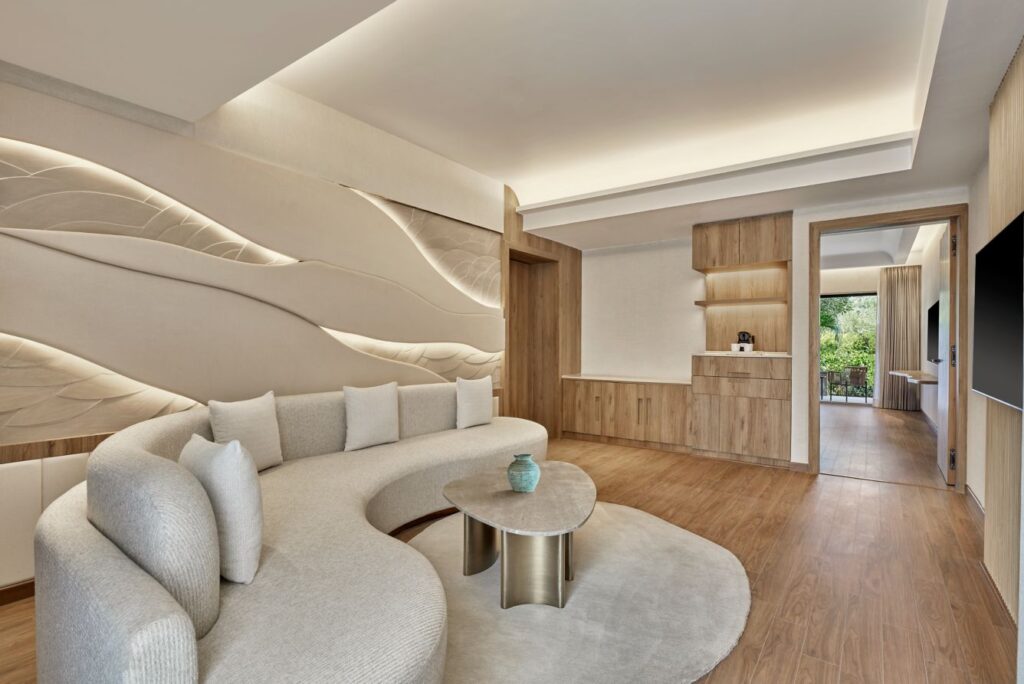
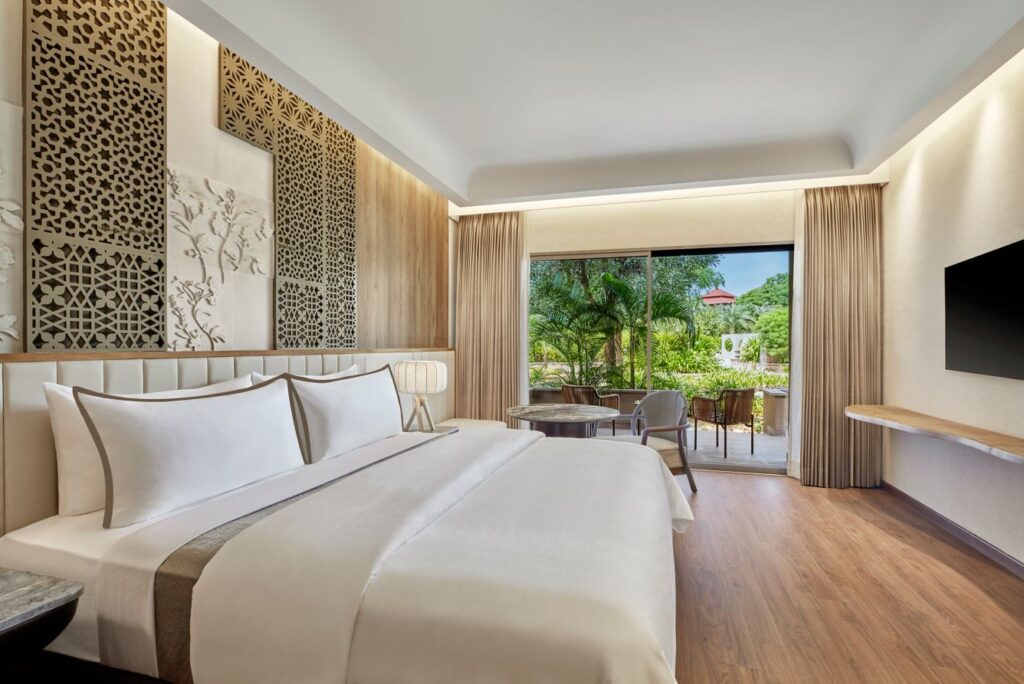
Tourism and experiential travel have added a strong new dimension to this shift. With weddings and curated leisure travel expanding rapidly across India, resort-led formats are emerging at the intersection of hospitality and lifestyle real estate. Our recent launch of The Westin Jaipur Resort and Spa reflects this evolution clearly. The property has been envisioned as a serene and tranquil retreat, where guests feel close and connected to nature, while enjoying global luxury standards. The focus has been to create an experience-led destination rooted in wellness, thoughtful design and sustainability, so that the stay feels restorative and purposeful.
For us, the Westin Jaipur Resort and Spa is also a defining milestone. It strengthens our hospitality platform with a globally benchmarked brand, upgrades our operational capabilities through international service standards, and reinforces our ability to create destinations, not just developments. It also positions Manglam more strongly within the premium travel, destination wedding and experiential tourism economy, which is a long-term growth engine for Rajasthan.
It also reinforces Jaipur’s growing prominence as a premium wedding and leisure hub. The Westin’s venue planning and guest journey are aligned to the demand for curated, multi-day celebrations and elevated experiential stays, which strengthens year-round hospitality demand.
With experience becoming central, wellness and sustainability are now closely linked. Which sustainability and wellness features will be considered essential by buyers in 2026?
We have already seen sustainability become a central conversation through 2025, and by 2026 it will be non-negotiable. Buyers are far more aware today, not in abstract terms, but in practical terms of water, heat, energy efficiency and long-term durability. They want climate-responsiveness built into the project itself.
The essentials will include water efficiency, solar integration, waste management, low-energy systems, heat-reducing materials and green landscaping that performs. On wellness, we will see greater demand for low-density environments, walking and mobility-friendly spaces, quiet zones, thoughtful air quality planning, and amenities that support mental ease. Buyers will not treat wellness as a luxury feature anymore, they will treat it as part of everyday living.
Buyers today value intelligent design over sheer size. How is this influencing the way developers plan layouts, amenities, and community spaces?
The era of “bigger is better” is clearly fading. What buyers want now is space that works smarter. They are looking for layouts that deliver privacy, flexibility and comfort without waste. As a result we are seeing homes with better zoning, efficient circulation, functional balconies, adaptable spaces for work and family, and storage that is integrated elegantly. Amenities too are being refined. Instead of excess, there is demand for purposeful, well-designed spaces that people actually use. Community planning is also shifting toward open social pockets, curated green spaces and walkable internal environments. Intelligent design is not only improving liveability, it is also strengthening long-term value.
Technology is increasingly embedded in both development and advisory models. How will data-driven insights and digital platforms reshape real estate decision-making in the coming years?
Technology is making real estate more transparent and more buyer-led. Today’s consumer is informed and expects visibility. Digital walkthroughs, online comparisons, project progress updates, digital documentation and data-backed advisory are becoming standard expectations.
For developers, technology is also helping forecast demand more accurately, personalise offerings, and improve post-handover service delivery. The real change will be trust. As buyers begin to rely more on data to evaluate product quality, delivery record and lifecycle value, credibility will become measurable, not just claimed. Over the next few years, tech will not only influence marketing, it will influence product design and accountability.
As expectations rise, capital has become more discerning. What factors will institutional and private investors prioritise when backing residential or resort-led projects?
Investors are becoming far more selective and analytical. They will prioritise visibility on cash flows, velocity, and long-term resilience of the asset. In residential, they will back segments where end-user demand is stable and sustained, with clear pricing power and absorption depth. In resort-led formats, investors will evaluate tourism strength, seasonality risk, brand alignment, operational capability and year-round demand generators like weddings and events. They will also study governance and execution ability through tangible proof points, delivery consistency, project planning discipline, approval readiness and realistic timelines. Another increasing filter is sustainability. Not only for ESG positioning, but because it impacts operating costs, compliance readiness and long-term asset relevance.
Balancing sustainability with profitability remains a key challenge. How can developers ensure green developments are both responsible and commercially viable?
Sustainability is often misunderstood as an added cost. In reality, when approached intelligently, it becomes a long-term value creator. For us at Manglam, sustainability is not a decorative label. It is embedded into design, material selection and operational thinking right from the planning stage.
We focus on climate-responsive layouts, sun orientation, passive cooling principles, and materials that improve thermal comfort and reduce energy dependence. Water efficiency is another core pillar, from rainwater harvesting to sewage treatment systems and low-flow fixtures. We also integrate practical green solutions like solar-ready infrastructure, efficient lighting systems and landscaping that is water-conscious.
From a commercial lens, these choices reduce operating costs, extend building life, and enhance user comfort, which directly supports pricing strength and brand trust. Buyers today recognise sustainability as a marker of quality and responsibility. So the real opportunity is to build green developments that are not only environmentally correct but also financially resilient.
Experience-led projects require long-term engagement beyond handover. How important will asset management, services, and community curation become in defining project success?
Experience-led real estate will be defined by what happens after handover. Asset management, service quality and long-term upkeep will become as important as construction itself. Buyers today expect developments to remain premium not only on day one, but consistently over the years. That requires strong operations, regular maintenance, responsive teams and curated community experiences.
This becomes even more critical in hospitality-led developments, where the experience is directly tied to service quality. With the recent launch of The Westin Jaipur Resort and Spa, we have seen this very clearly. The property has been conceptualised as a serene, wellness-forward resort where guest comfort is built into every detail of the stay. Its scale and planning allow it to host luxury weddings and celebrations, while still delivering personalised service and operational excellence. The Westin experience reinforces a powerful truth: customer satisfaction is created through disciplined service culture, well-trained teams, and consistency across every guest touchpoint, not only through the physical destination. At Manglam, this is a core focus, because in hospitality, loyalty is built through everyday service execution.
Going forward, whether it is residential or resort-led formats, projects that invest in professional operations, guest experience planning and service-led management will outperform others. In today’s market, the project is not complete at handover. The project succeeds when the experience remains strong over time.
Looking ahead to 2026 and beyond, what single trend will most strongly influence how real estate is developed, marketed and experienced?
The most transformative shift ahead is the convergence of real estate with hospitality-led thinking. Buyers will increasingly evaluate projects as lifestyle ecosystems, not standalone developments. This will influence design, services, amenities, and even how communities are curated over time.
In markets like Jaipur, this trend becomes even more powerful because the city naturally combines culture, tourism, heritage, weddings, wellness and aspirational living. The future belongs to projects that create immersive, well-managed environments with sustainability at the core and experience at the forefront. Real estate will not be defined only by what is built, but by how it is lived, how it performs over time, and how meaningfully it elevates everyday life.