






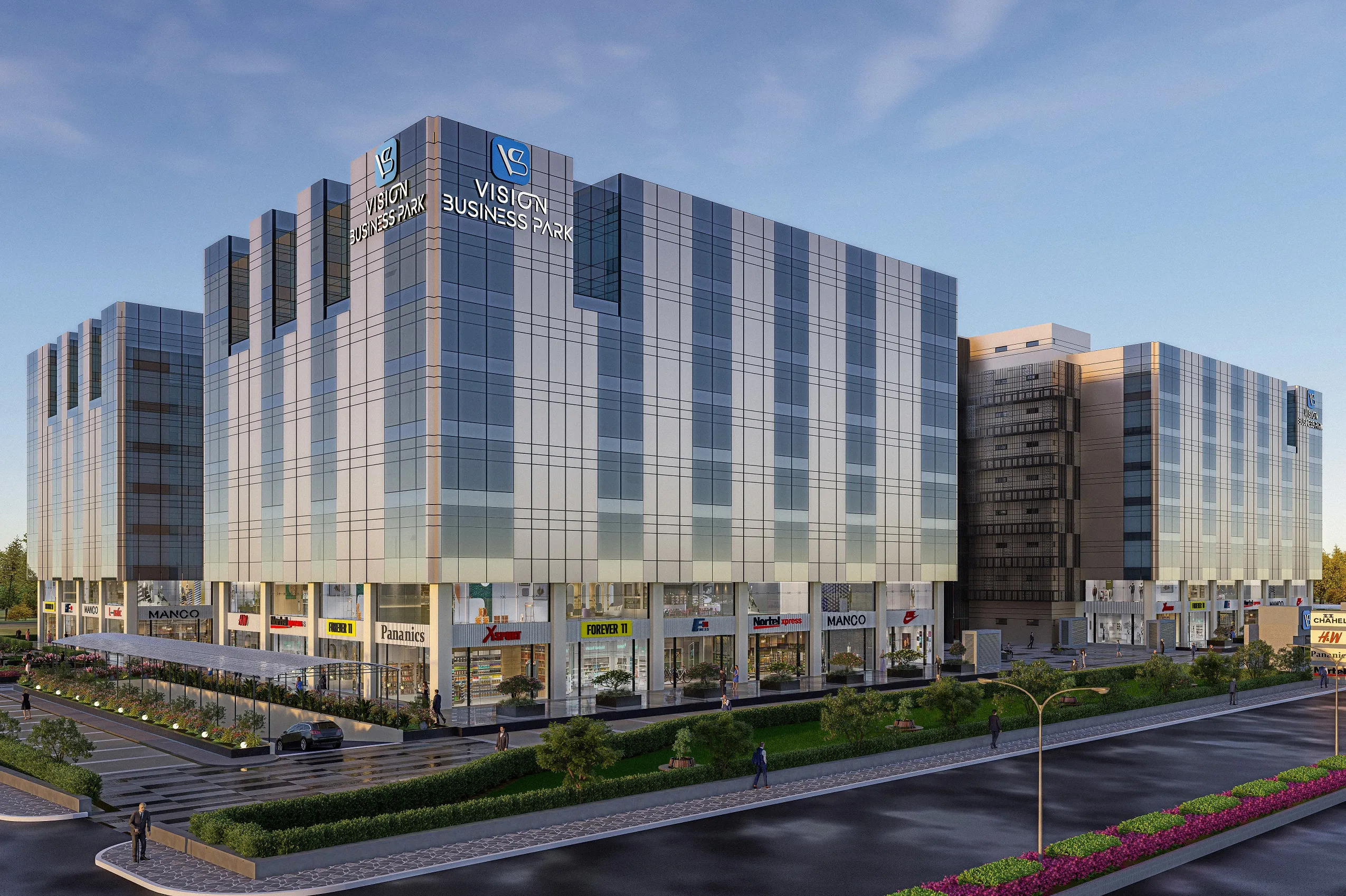
India’s commercial real estate (CRE) sector is currently a theater of giants. With leasing hitting a staggering 86.4 million sq. ft. in 2025, the narrative is dominated by sprawling Grade A+ campuses, massive GCC footprints, and institutional-grade skyscrapers.
But beneath the shadow of these glass towers, a silent crisis is brewing—and with it, a massive arbitrage opportunity.
The Vanishing Middle: 600–1,000 Sq. Ft.
While developers chase record-breaking floor plates, the 600–1,000 sq. ft. office segment is effectively being designed out of existence. This isn’t just a “compact” real estate category; it is the physical infrastructure of India’s entrepreneurial engine. It is the birthplace of the next unicorn, the nerve center for specialized legal and architectural firms, and the professional launchpad for scaling fintech and digital agencies.
The data tells a clear story:
- The Demand: Startups and boutique firms need 5–15 seat private hubs.
- The Supply: Developers are churning out 50,000+ sq. ft. floor plates.
- he Result: A supply-demand chasm that has pushed rentals for small-format spaces up by 10–15% in 2025 across Bengaluru, Mumbai, and Delhi-NCR.
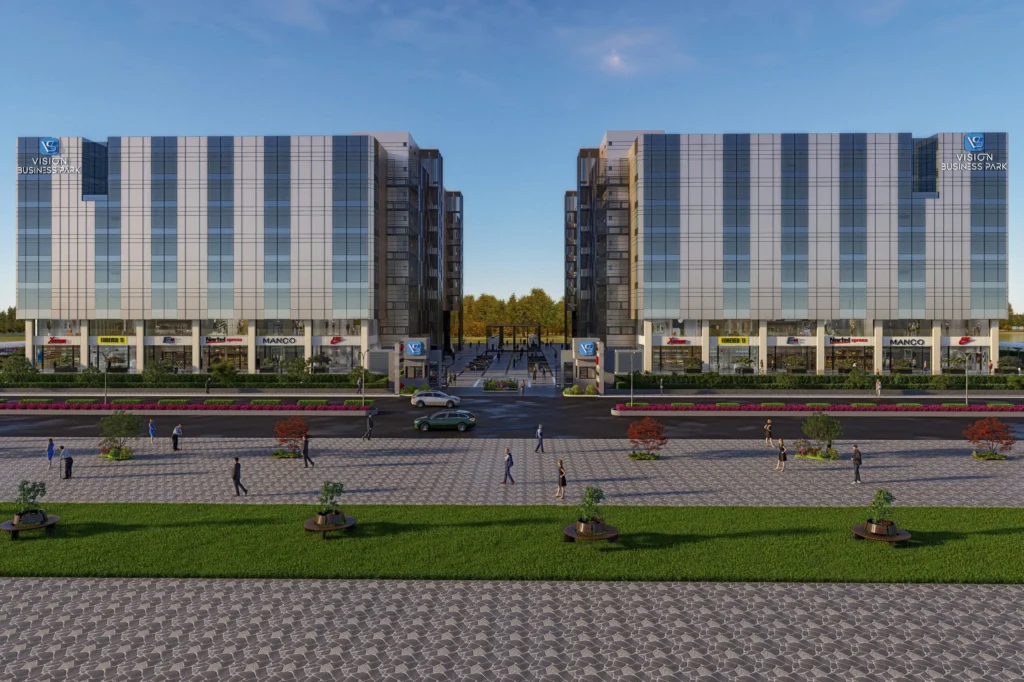
The “Compromise” Economy
Today, India’s most innovative minds are being forced into a hierarchy of compromises. Without dedicated small-format office products, founders are funneled into:
Co-working: Paying a “flexibility tax” for spaces they don’t truly own or control.
Peripheral Locations: Sacrificing brand prestige for affordability.
Managed Offices: High-cost solutions that eat into early-stage margins.
The rise of co-working—accounting for 22% of leasing in 2025—isn’t just a lifestyle choice. It is a symptom of a market that has failed to provide high-quality, small-format ownership or independent leasing options.
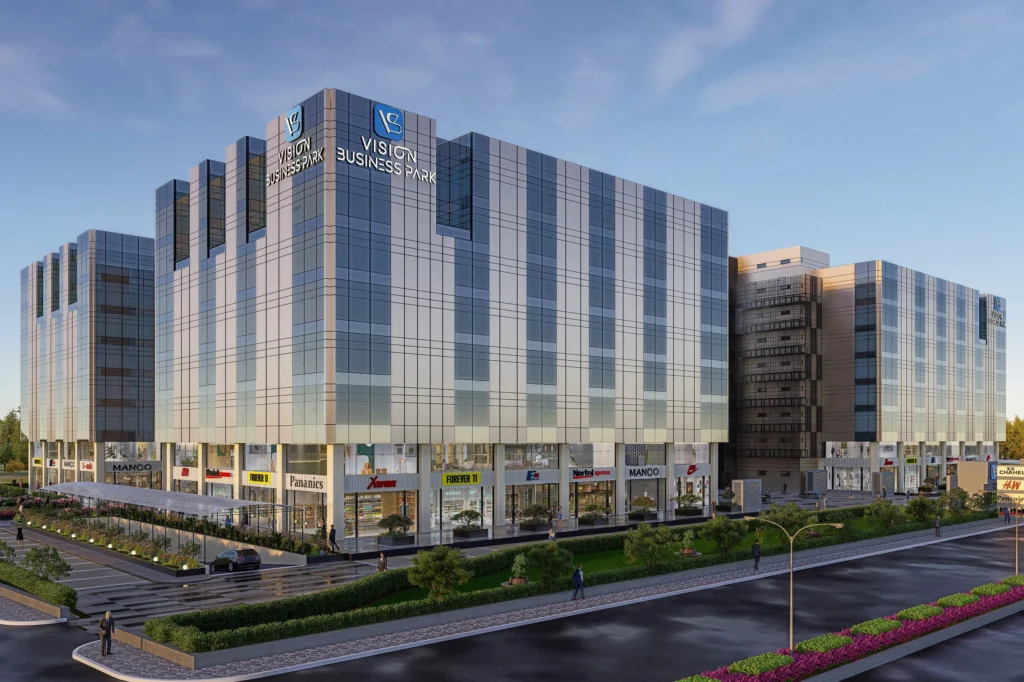
Why Developers Are Missing the Mark
This segment is often ignored not because the demand is weak, but because it doesn’t fit the “Big Fish” institutional model. Large-scale leasing is easier on the spreadsheet, but small-format offices offer:
Higher Yields: Superior rental income per square foot.
Velocity: Faster absorption rates in tightening markets.
Liquidity: Exceptional resale value and emotional ownership.
A Vision for the New Workspace
The future of India’s economy isn’t just being written in 100,000 sq. ft. boardrooms; it’s being built in 800 sq. ft. war rooms. The developer who bridges this gap isn’t just selling real estate—they are investing in the bedrock of India’s growth. “In the world of start-ups and AI, the expectation of a customer is of a grade A building but for a small team. If you go in any large building, the areas available are not less than 5000 sq. ft. to 15,000 sq. ft. However, the startups cannot have 5000-15000 square feet, as it is not possible. The co-working areas don’t suit them for the simple reason that the safety, security and teamwork become problems because anybody they hire can switch quickly amongst the like minding. Therefore, it is very much required that the space they have can be defined as their own space, which is missing as of now,”
Atul Vikram Singh
Founder, Vision Business Park.
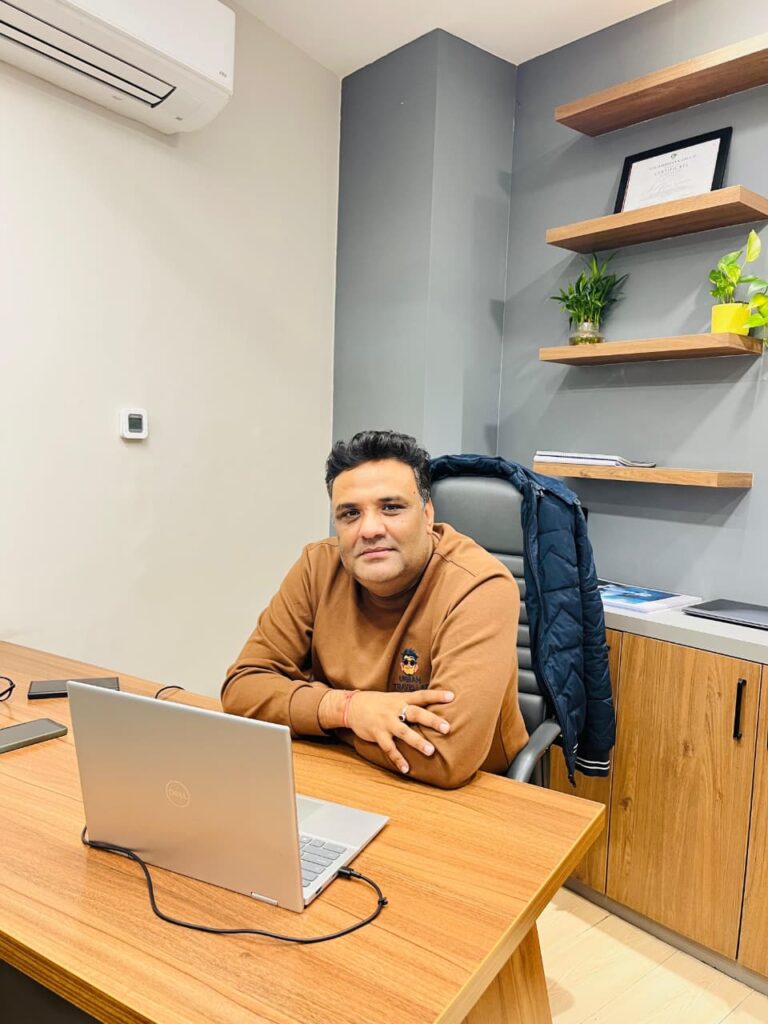
“In the world of AI companies who had 100 people teams have now reduced to 20 people teams after the AI revolution. Therefore, the need for office spaces which are pretty medium in the size 600 sq feet to 2000 sq feet is maximum in terms of the demand,” he adds further
The Final Word
In an industry currently obsessed with “Macro,” the real alpha lies in the “Micro.” The next decade of Indian CRE won’t be defined by how much space we can build, but by how precisely we can curate it for the people who move the needle.
In a market blinded by scale, the smartest builders will win by realizing that the smallest offices house the biggest ambitions.