



Bengaluru’s real estate market will remain strong in 2026, driven by IT growth, infrastructure upgrade, and migration. The real estate prices in the market are continuously rising around 7-8% Y-O-Y in premium areas like Whitefield, Sarjapur Road, and HSR Layout. Bhavna Satsangi from Square Foot Stories talks to R Rajasekhar Reddy, Founder & MD, Trendsquares, to find out why the demand for housing is exceptionally strong in the city and if the buyers preferences have transformed.
How have recent infrastructure developments influenced Bengaluru’s real estate growth?
Bengaluru’s real estate story is deeply intertwined with its infrastructure evolution. Over the past few years, improvements in metro connectivity, ORR expansion, and last-mile road linkages have reshaped where people choose to live and work. For us at Trendsquares, this shift reflects a broader human need: people want homes that reduce everyday friction – shorter commutes, easier access to schools and workplaces, and a sense of connectedness. Micro-markets that have benefitted most, such as Whitefield, Outer Ring Road, North Bengaluru and Panathur, demonstrate this pattern clearly. As infrastructure makes these corridors more accessible, land and housing values follow, not as speculative spikes but as steady affirmation of demand tied to real lifestyles.
Please provide data for price trends per sq. ft in top locations of Bengaluru
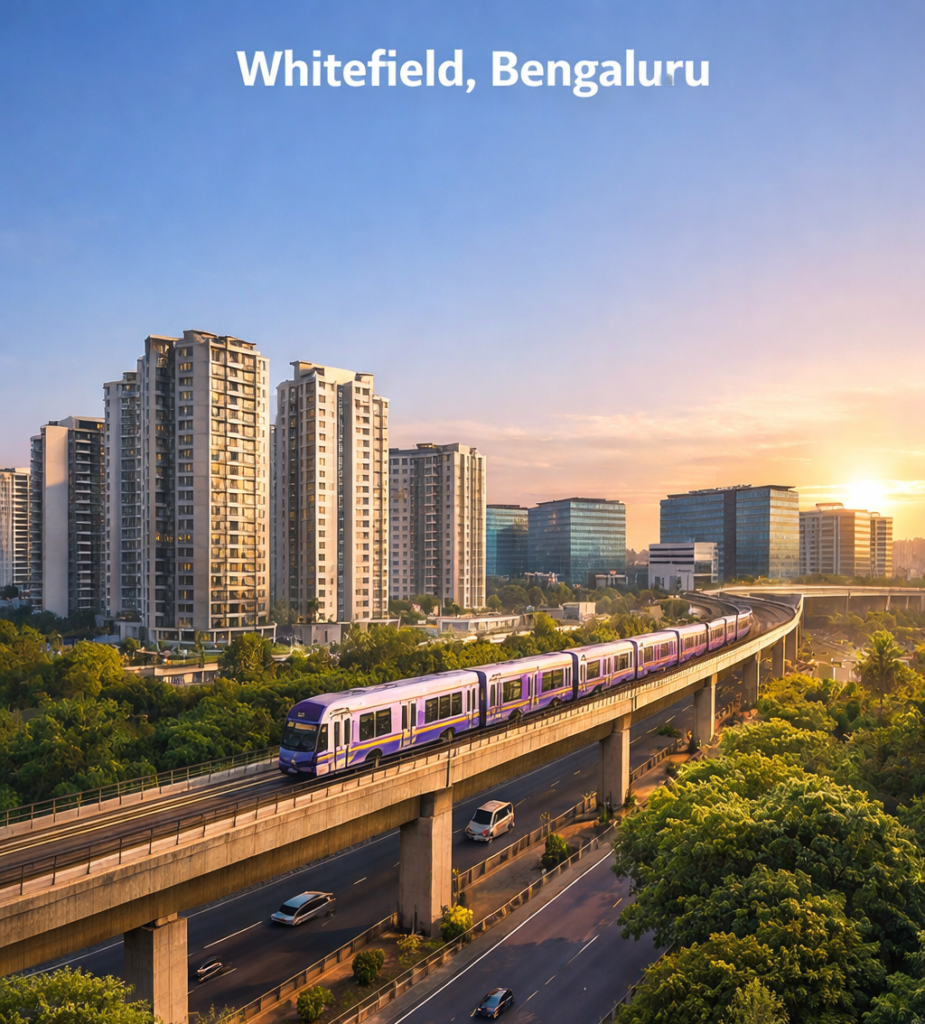
Bengaluru continues to see broad pricing strength in 2026, with citywide averages around ₹9,000–₹10,000 per sq. ft., rising about 7-8% year-on-year. Premium localities and well-connected nodes such as Whitefield, Sarjapur Road, HSR Layout and Hebbal command prices above this average due to infrastructure, job hubs, and lifestyle appeal, while emerging corridors still present opportunities in the ₹5,500–₹8,000 per sq. ft. range. Exact prices will vary by micro-market and product type, but the underlying trend is steady appreciation supported by demand fundamentals.
What property types are more in demand – 2BHK, 3BHK, villas, plots, premium apartments, etc.?
Across Bengaluru today, demand is strongest for 3BHK apartments, which have increasingly become the default choice for families seeking space, flexibility and multi-generation living. This reflects deeper lifestyle shifts – people want room for remote work, hobbies, and recreation under one roof. 2BHKs continue to hold relevance for first-time buyers and young professionals, while gated communities with larger footprints (villaments/4BHK+) are seeing selective interest from those prioritising space and privacy. Plots and villas have niche appeal, especially in peripheral growth areas where families choose long-term customisation.

How has the homebuyer mindset changed compared to pre-pandemic?
The pandemic did not just shift demand – it reshaped expectations. Pre-pandemic buyers were often transaction-focused: price, location, and speculation. Today’s buyers think holistically: how a home supports living, wellness, productivity, and community. Space usage (for work, play, learning), access to open areas, and quality of life are now as important as price. There is also a stronger emphasis on credibility, delivery timelines, and transparency – buyers invest with a long-term view and want developers who deliver on promises.
What truly defines value for money today- price, location, lifestyle, or long-term appreciation?
Value in Bengaluru’s residential market today is multi-dimensional. Sure, price is important, but it is not the sole criterion. A balanced value equation integrates location that reduces daily friction, liveability features that enhance everyday life (open spaces, wellness, community), and the likelihood of sustained demand over time. When these factors align, buyers feel confident they are getting true value – not just a raw price tag.
Which corridors are seeing the strongest genuine homebuyer demand? Which emerging areas should buyers watch?
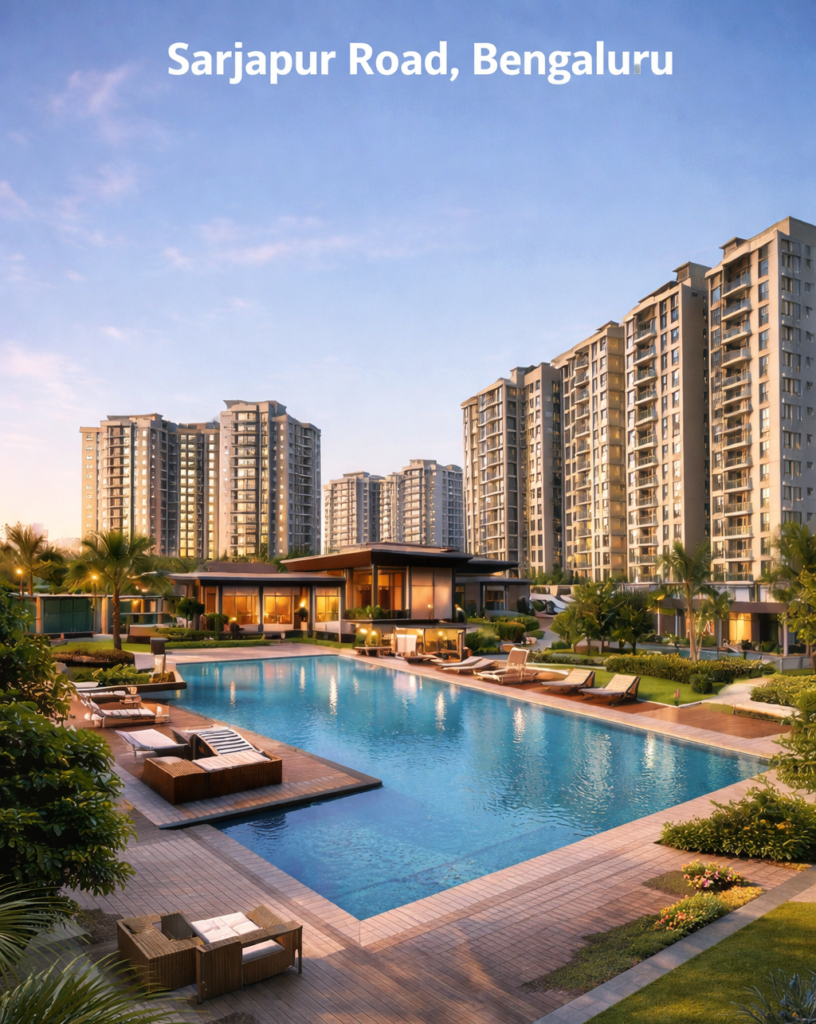
Currently, the strongest demand centres around East Bengaluru (Whitefield, Panathur, Sarjapur), North Bengaluru (Hebbal, Yelahanka, Jakkur) and the ORR belt – driven by proximity to jobs, infrastructure, and social amenities. Emerging areas to watch over the next 3–5 years include Sadaramangala, Devanahalli, Budigere Cross and Kanakapura Road – locations benefiting from improving connectivity and planned infrastructure investments. These areas are becoming increasingly relevant for buyers looking ahead to lifestyle depth rather than short-term appreciation.
What types of homes are most in demand now and why?
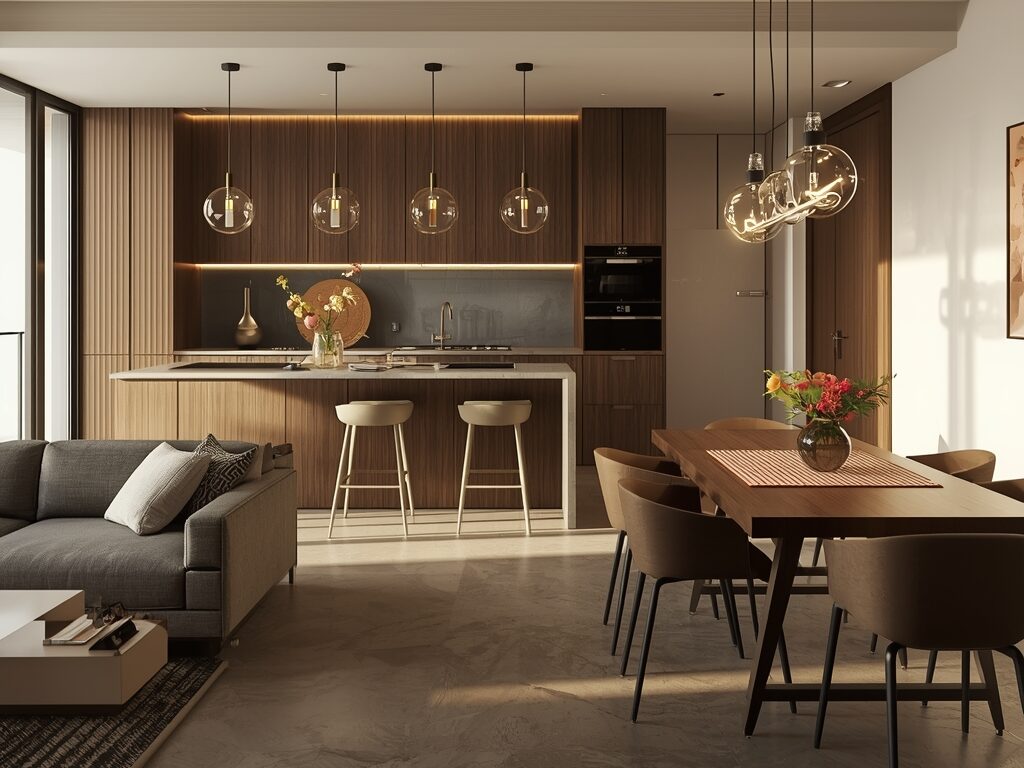
Today’s demand is led by spacious 3BHK apartments, followed by well-designed 2BHKs for younger buyers and professionals. Larger configurations and low-density gated communities also attract families seeking privacy and space for multi-generational living. This preference reflects a shift toward homes as lifescapes – environments that support work, leisure, health, and family time under one roof.
What amenities have become non-negotiable for modern homebuyers?
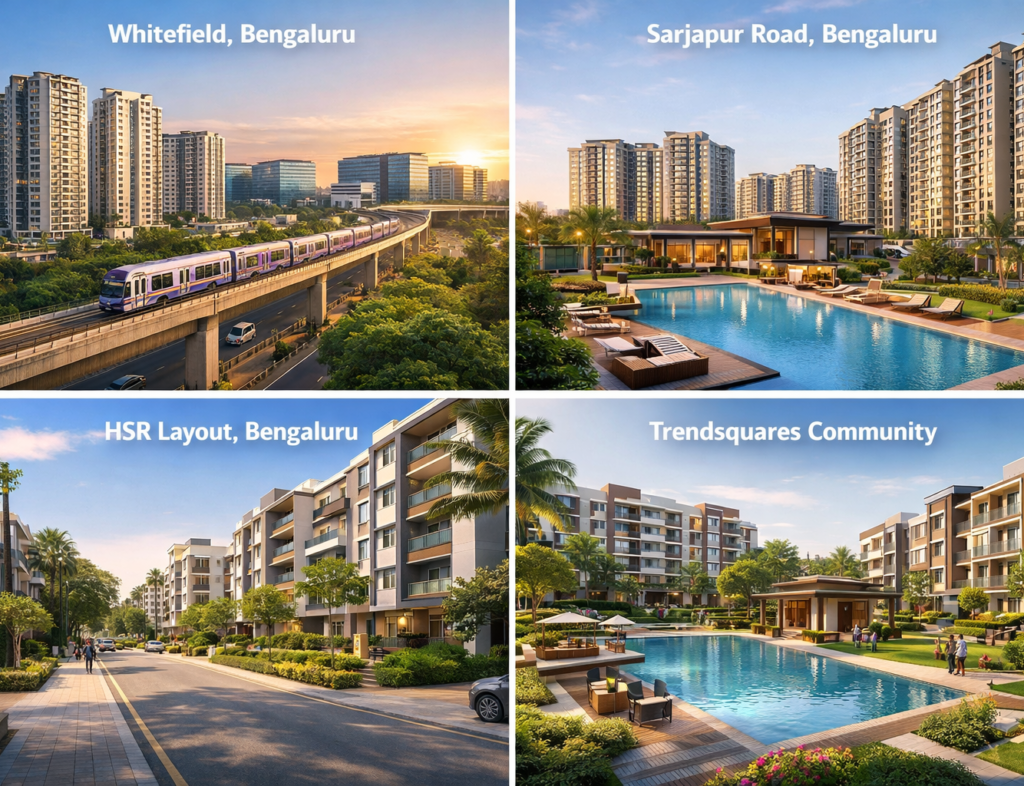
Modern homebuyers expect amenities that support well-being and social connection: fitness spaces, landscaped open areas, children’s play zones, walking trails, community rooms, and accessible common spaces that foster neighbourhood interaction. These are no longer “luxury add-ons” but baseline expectations because they directly impact everyday life and long-term satisfaction.
How important is proximity to metro lines, IT hubs, schools, and healthcare?
Proximity to essential infrastructure – metros, IT hubs, quality schools, and healthcare – is now a core decision driver, not just a preference. Buyers want homes that minimize daily stress and maximise convenience, especially in a city where traffic and travel time can dominate routines. Being close to these nodes enhances mental space, productivity, and lifestyle quality, which in turn supports long-term value.
How do Trendsquares’ projects reflect changing buyer aspirations?
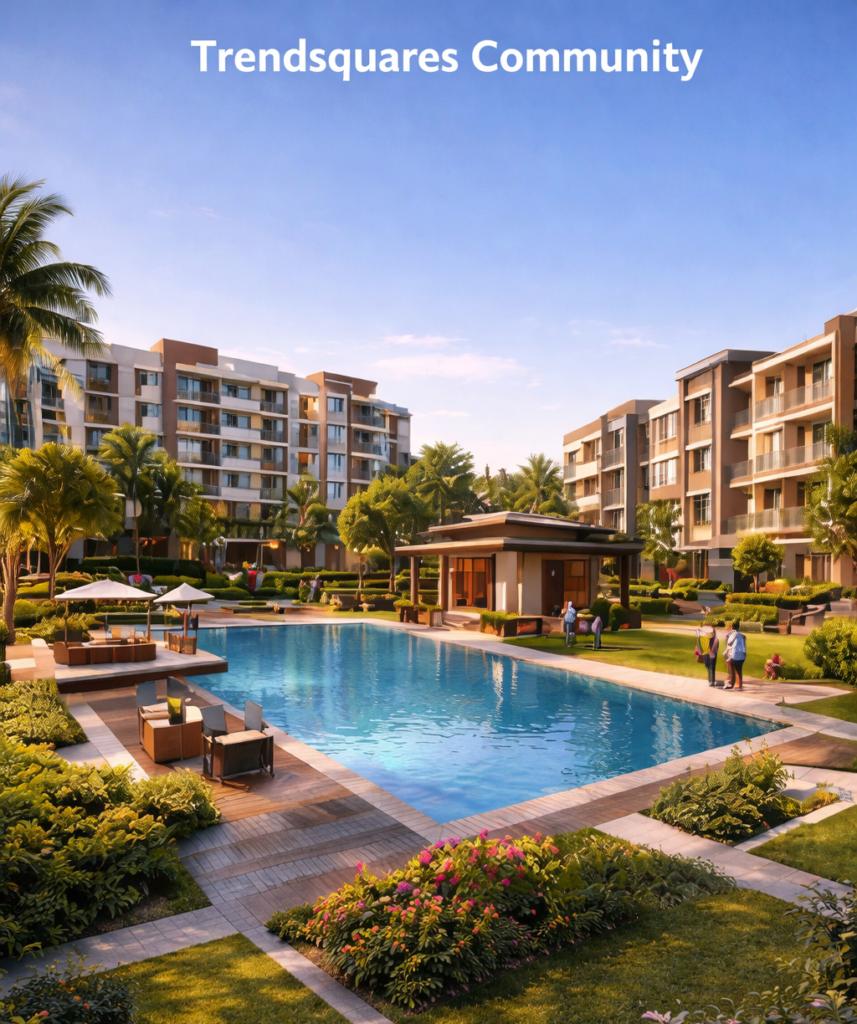
Projects like Akino, World of Gardens, Synergy and Ramsons reflect a deep understanding of how people want to live today. Each development prioritises open spaces, natural light, thoughtful circulation, and community interaction – layered with vastu sensitivity and modern amenities – because these factors shape how life unfolds inside a home. This approach resonates with buyers who value sustainable, human-centric lifescapes over simple square footage.
With increasing mid-segment supply, how can buyers differentiate a good project from a great long-term investment?
Buyers can differentiate projects by assessing design quality, execution track record, transparency, and community planning. A “great” investment is anchored in how a home enhances daily life over a decade or more – not just immediate price or location. Credible delivery, thoughtful planning, robust open spaces, and a vibrant neighborhood ecosystem are the true long-term differentiators.
What role do sustainability, open spaces, and community planning play in long-term value?
Sustainability and open spaces have transitioned from buzzwords to core value drivers. They support health, reduce stress, and strengthen community bonds. Projects that embed these principles create enduring desirability, leading to higher occupant satisfaction, steadier demand, and resilient long-term value.
What advice would you give someone planning to buy a home in Bengaluru in 2026?

My advice is simple and human-centred: think of your home as a lifescape, not a transaction. Prioritise locations that reduce daily friction, embrace thoughtful design that supports everyday routines, and look for developers with a strong delivery ethos. A home bought with clarity of intent – not impulse – becomes a place where life unfolds with meaning, comfort, and long-term confidence.