



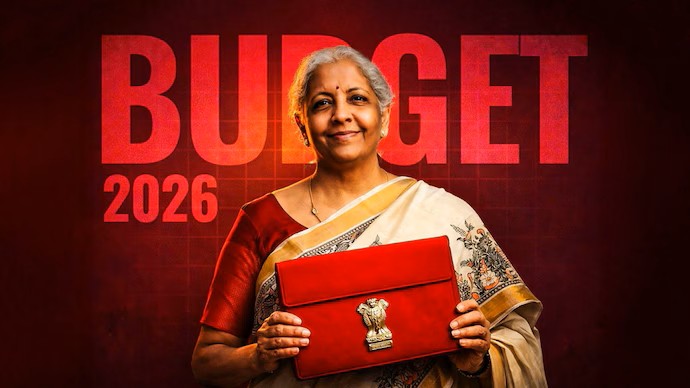
The Union Budget 2026 is more than a financial statement; it is a reflection of national intent and a roadmap that signals where India is choosing to place its energy, investment, and belief. For businesses like ours at SFS, the budget is not only about policy announcements or fiscal allocations — it is about understanding the direction of growth, the psychology of markets, and the evolving aspirations of a rapidly transforming economy.
What stands out this year is the continued emphasis on infrastructure, digital acceleration, entrepreneurship, and sustainability. These are not isolated pillars; they are interconnected forces that shape how cities grow, how brands expand, and how industries redefine themselves.
Infrastructure as the Foundation of Opportunity
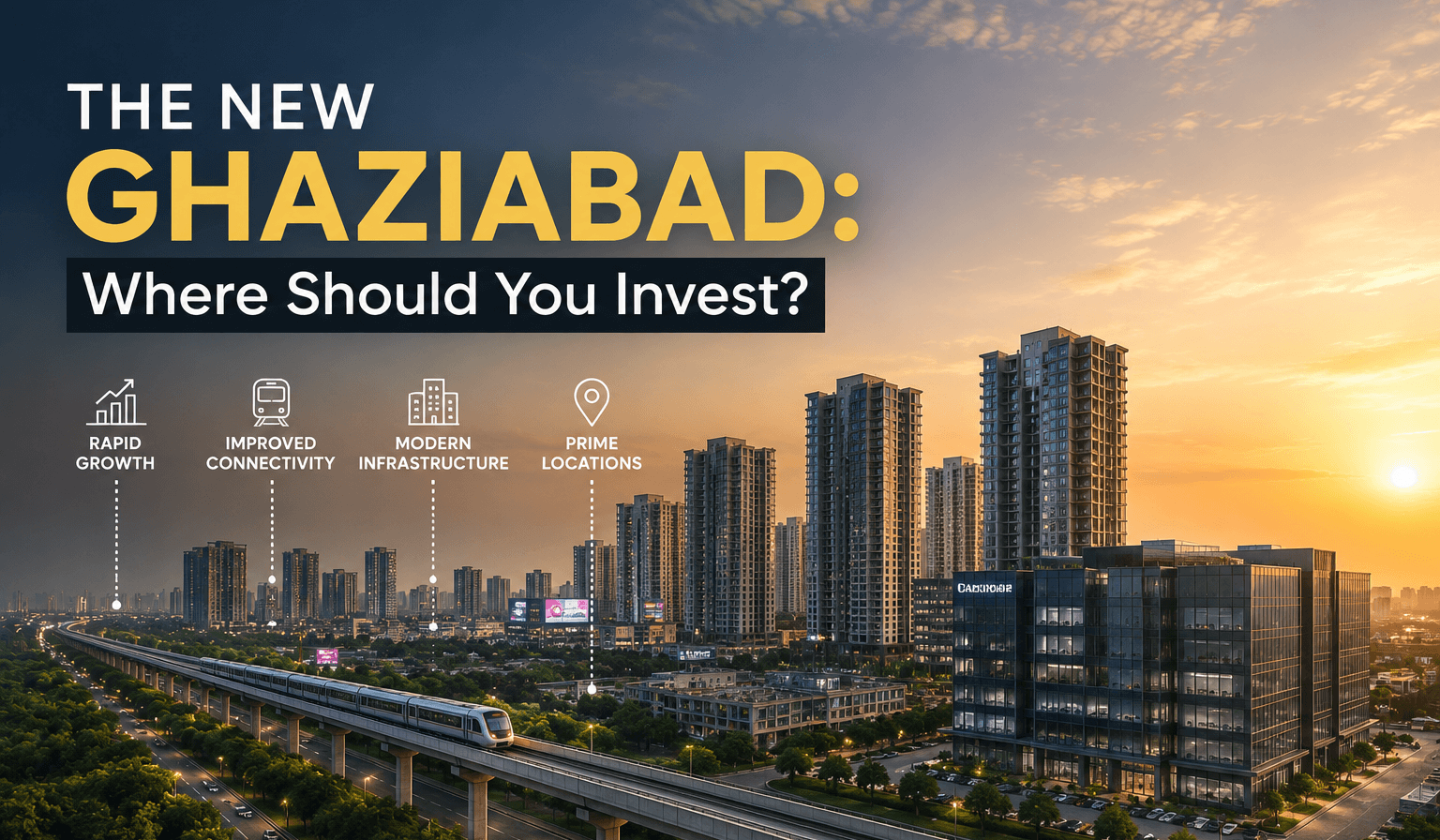
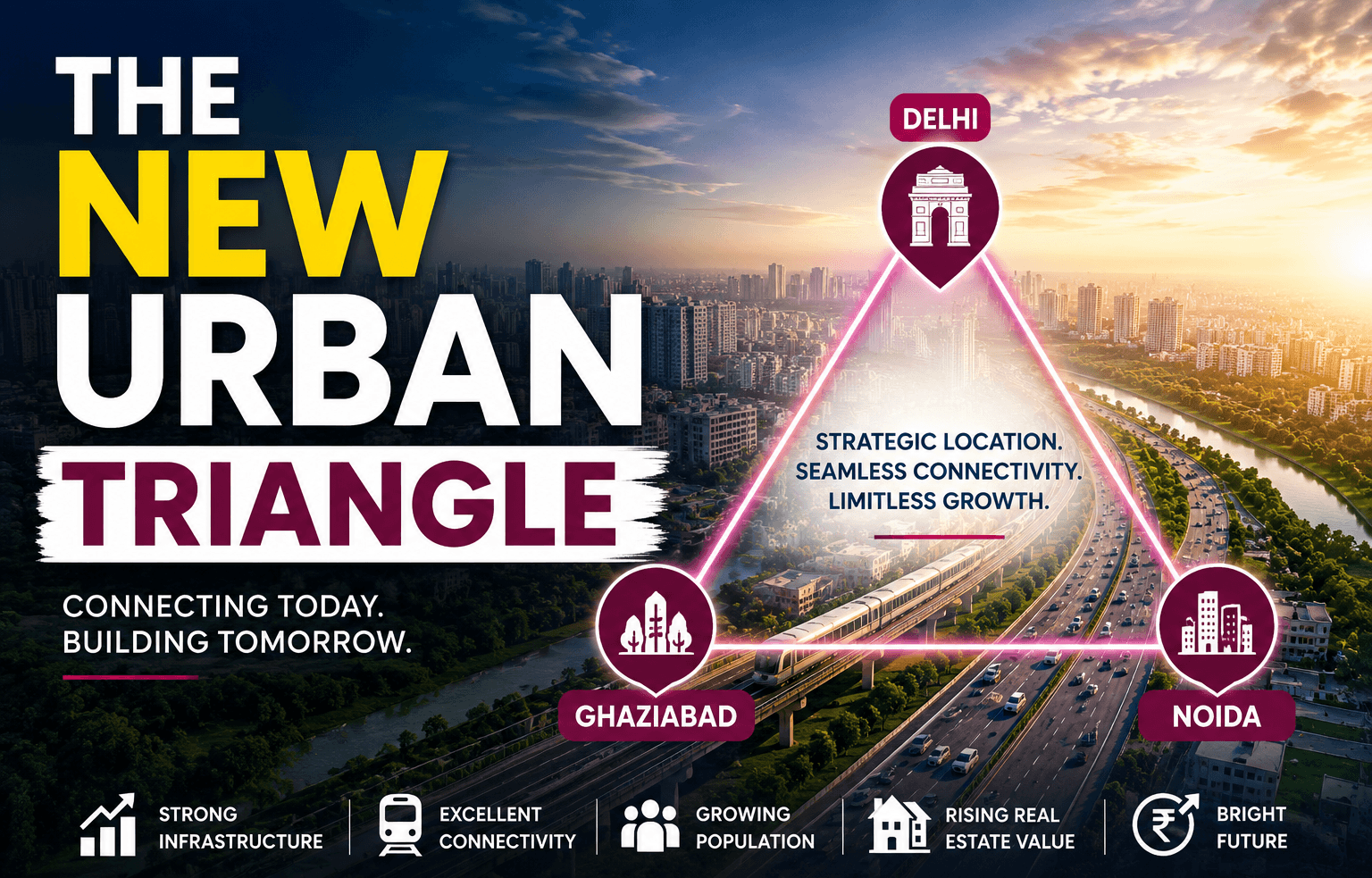
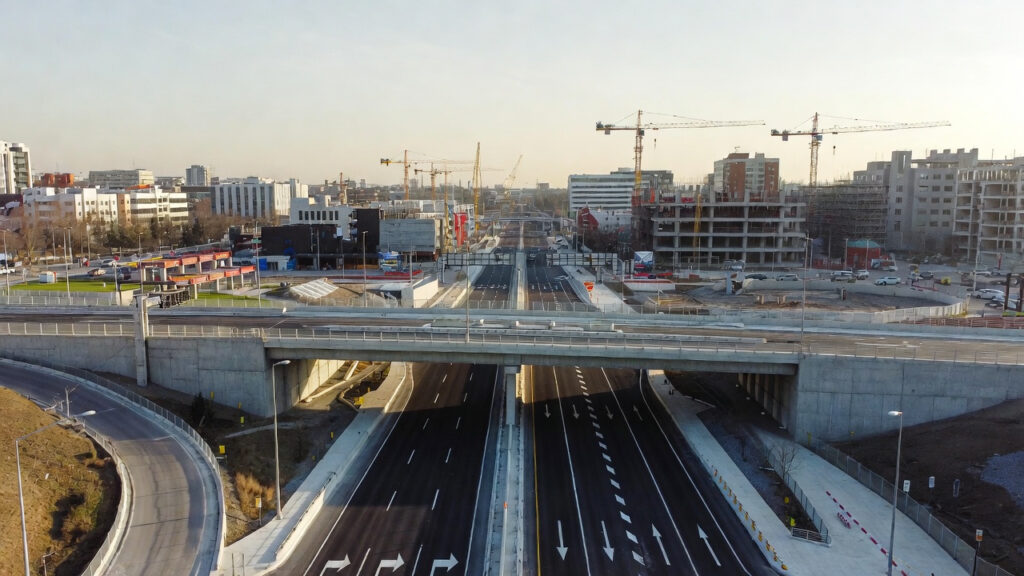
A strong focus on urban development, transit corridors, and commercial hubs naturally expands the ecosystem in which businesses operate. Infrastructure does more than build roads and bridges — it builds confidence. For SFS, this translates into a broader canvas where developers, investors, and brands seek clarity in positioning, storytelling, and long-term decision frameworks. Growth in physical infrastructure inevitably creates growth in brand and space intelligence.
Real Estate and Commercial Momentum
The positive policy tone around construction, mixed-use developments, and commercial spaces indicates renewed momentum in how cities will function and interact. As malls, office parks, and integrated spaces rise, the demand for differentiated narratives and experiential positioning increases. Industries are no longer competing only on presence; they are competing on perception and purpose — an area where strategic storytelling becomes a business asset rather than a creative add-on.
Digital and AI Acceleration
The government’s continued emphasis on technology and innovation reinforces a crucial reality: decisions are increasingly data-led. For firms like SFS, this is an encouragement to integrate analytics, AI-assisted insights, and predictive consumer understanding into brand architecture. Creativity today must coexist with intelligence, and storytelling must be supported by measurable insight.

Consumption, Premium Markets, and Aspirational Growth
Improved business sentiment and disposable income indicators often translate into stronger premium and aspirational market expansion. Luxury is no longer limited to products — it is an experience, a narrative, and a positioning exercise. This shift aligns with our belief that brands succeed not only by selling offerings but by shaping meaningful journeys for their audiences.
MSME and Startup Ecosystem Support
Encouraging entrepreneurship and regional expansion fuels the creation of new brands and business identities. This segment becomes a powerful volume engine for the economy and for industries that support brand architecture, go-to-market strategies, and identity frameworks. Emerging enterprises are increasingly aware that clarity in narrative and positioning can significantly influence their growth trajectory.
Sustainability and Green Focus
The rising emphasis on ESG and environmentally responsible development introduces a new layer of accountability and opportunity. Sustainable infrastructure and green narratives are not trends; they are expectations. Businesses that align their identity with responsible growth will hold long-term credibility in the marketplace.

Content Push and Communication Ecosystems
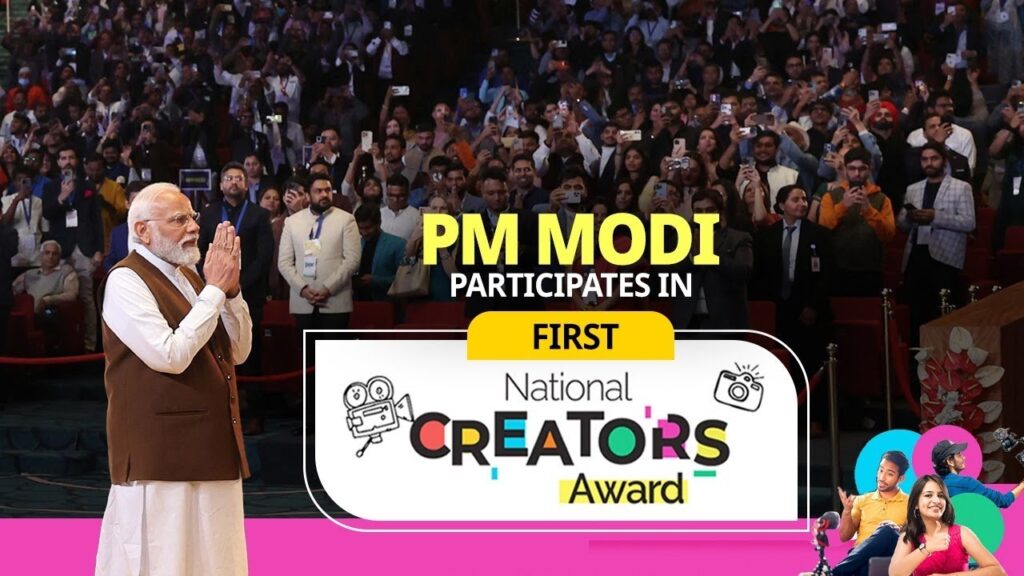
An equally important signal is the growing emphasis on digital media and the creator economy. Content today is currency. Visibility is no longer achieved by scale alone but by strategic communication across platforms. This strengthens the relevance of high-quality storytelling, thought leadership, and multi-channel brand presence — areas that are central to SFS’s evolving service verticals.
Employment and Skill Development as Confidence Drivers
Job creation and upskilling initiatives contribute to stronger cons