






As Budget 2026 approaches, real estate developers are looking beyond tax sops, seeking policy clarity, stable financing, and infrastructure-led growth to navigate rising costs, shifting homebuyer preferences, and long-term urbanisation challenges. Bhavna Satsangi from Square Foot Story talks to industry experts to know their take from the upcoming budget.
As Finance Minister Nirmala Sitharaman prepares the Union Budget 2026, the real estate sector is emerging as one of the most closely watched industries. Sitting at the intersection of growth, employment, urbanisation and capital formation, real estate remains one of the prime movers of India’s emerging high-income economy.
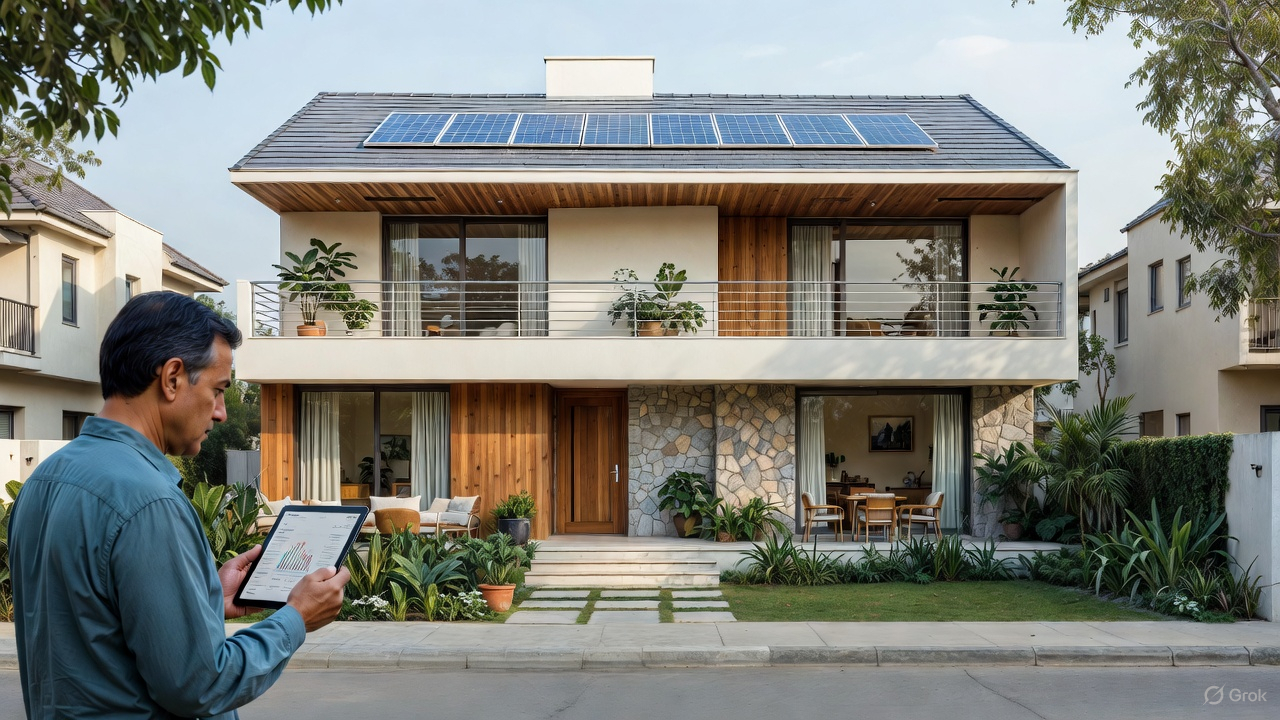
The lifestyle led demand for premium and luxury residential spaces makes residential real estate the backbone of the sector. The shift of homebuyers from marginal spaces to larger formats, integrated communities, wellness-oriented amenities and long-term livebility makes this the most profitable cycle for organised developers and one that is closely tied to fiscal support and regulatory direction in Budget 2026.
Developers seek reset on affordability norms
However, developers say that the coming Budget could play a decisive role in shaping how the industry navigates its next phase of growth. For many in the sector, this is not just about new projects or balance sheets—it is about sustaining momentum in affordable housing, easing access to finance for homebuyers, and creating policy certainty in a market that directly impacts millions of jobs and households. From tax relief for buyers and infrastructure-led development to industry status and regulatory clarity, expectations are wide-ranging but rooted in practical challenges on the ground.
“As we approach the Union Budget 2026, the real estate sector believes it is time to realign housing policies with current market realities. The existing ₹45 lakh price cap for affordable housing has become outdated in high-growth cities like Pune, where land and construction costs have risen sharply. Revising this threshold to ₹90 lakh, along with tax incentives for affordable housing developers and rationalisation of GST on construction work contracts, will help improve supply, enhance affordability and support homebuyers,”
Manish Jain, President, CREDAI Pune.

For many developers, demand generation and affordability remain the starting point for any meaningful policy intervention.

“Budget 2026 should focus on demand + affordability. Firstly, increase the home loan interest deduction limits, which has not changed significantly despite sharp inflation in home prices and construction costs. This will directly unlock end-user demand. Secondly, affordable housing needs a reset: revise the cap from ₹45 lakh to ₹75–80 lakh to reflect market reality, and reintroduce interest subvention to materially reduce EMIs and accelerate ‘Housing for All.”
Haresh Kishor
Managing Director, KG Builders
The cost Challenge
High costs, affordability pressures are mounting on the first-time and mid-income buyers due to rising land prices, higher construction cost, and increasing home loan interest rates. To address this imbalance, a meaningful approach is required.
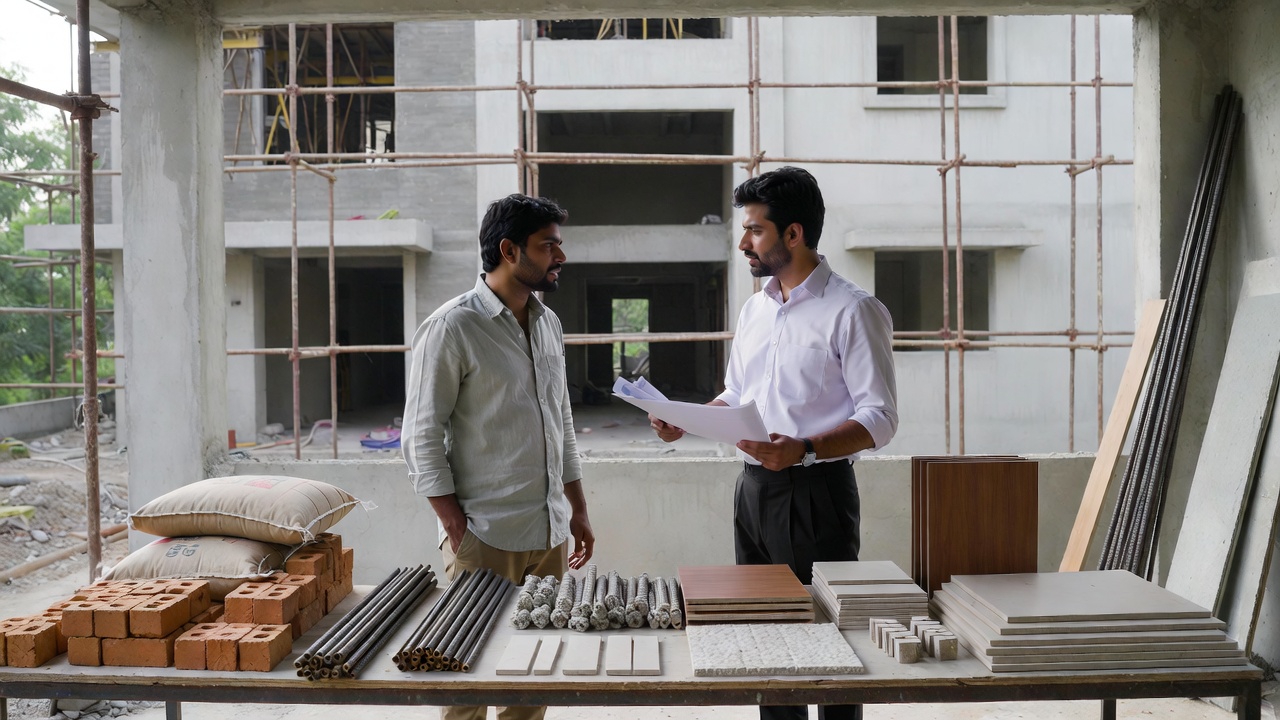
“The focus for the sector is not on bigger announcements but on smoother execution. Over the last few years, land prices, material costs, labour expenses, and compliance requirements have all increased, and policies need to reflect this reality. Revisiting the affordable housing definition can help restart supply in urban and fringe markets where projects are no longer viable under old price limits. Timely payments and a clear dispute-resolution system for government contracts would ease cash-flow pressure and reduce financing costs.
Avneesh Sood
Director, Eros Group

He further adds, “Clarity on REIT and InvIT taxation is important to attract long-term capital into commercial real estate and infrastructure assets. The sector also expects a clear GST roadmap to reduce cascading taxes, support for green steel and cement, and continued investment in urban infrastructure, such as water, drainage, and logistics parks. More than anything, predictable regulations and faster approvals will decide how confidently companies invest and build in the next phase.”
Shift from sops to structural reform
A common thread across developer voices is the shift away from short-term stimulus towards long-term structural reform. Many argue that the sector has matured beyond the need for periodic tax sops and instead requires a predictable policy environment that allows companies to plan projects over multi-year cycles, raise patient capital, and build at scale without regulatory uncertainty.
Younger developers, in particular, believe the next phase of growth will be shaped less by price alone and more by how cities are designed and sustained. For them, Budget 2026 is an opportunity to push urban development beyond concrete and square footage, and towards sustainability, technology adoption and quality of life.
Sustainability and infrastructure in focus
From this standpoint, the emphasis is increasingly on green construction, faster environmental clearances, infrastructure-led planning, and financing frameworks that reward transparent and responsible development rather than speculative activity.

“The sector today doesn’t need short-term incentives, but rather progressive policies with a futuristic outlook. What I would like to see in the upcoming Budget is a stronger push towards sustainable urban development – faster approvals for green buildings, incentives for energy-efficient design, water-positive planning, and the adoption of new-age construction technologies. These are not add-ons anymore, they are core expectations for today’s Gen Z and millennial homebuyers.”
Raahil Reddy
Director of Residential Projects
Fortune Primero
Almost as important is infrastructure-driven development. A well-planned focus on mobility, last-mile connectivity, and infrastructure translates to a situation where developers can deliver communities, not just real estate, to enhance the lifestyle of people.
Having access to structured, long-term capital, as well as stable regulatory frameworks, is essential for encouraging responsible development over and above speculative growth. If the industry is to grow and develop, policies that favour and reward transparency, innovation, and sustainability will be essential.
If this Budget solidifies long-term planning with business viability, environmental considerations, and trust from our customers, it will encourage developers to develop future-proof communities in India for its upcoming urbanization.
Execution certainty over incentives
A similar emphasis on execution and long-term visibility is echoed by mid market developers working closely with end-users and project ecosystems. R. Rajasekhar Reddy, Managing Director, Trendsquares believes that the sector’s immediate need is not stimulus but stability.
“As a developer who works closely with homebuyers and project ecosystems on the ground, I feel the real estate sector today is not looking for stimulus – it is looking for clarity, stability, and execution efficiency. Over the last few years, credit and lending structures have evolved meaningfully. The next step, in my view, is to make it easier for us to plan, build, and deliver responsibly.”
R. Rajasekhar Reddy
Managing Director, Trendsquares

What truly helps developers is predictable taxation, faster approvals, and fair treatment of input costs – because these directly influence timelines, quality, and customer experience. Infrastructure spending will continue to be the real growth driver. Whenever connectivity and utilities improve, land becomes more purposeful, housing becomes more viable, and communities grow in a balanced way.
Access to patient, institutional capital through clearer REIT and construction-finance frameworks can also strengthen long-term development instead of depending on high-cost funding. For affordable and mid-income housing, what matters most is policy continuity, land enablement, and smoother project clearances, not subsidies alone.
He adds, “If this Budget reinforces transparency, consistency, and infrastructure-led planning, it will give developers the confidence to build better living spaces, deliver with discipline, and contribute to India’s urban growth in a way that is sustainable – not overheated.”
For developers operating in dense urban markets and redevelopment zones, clarity and consistency become even more critical, given the long timelines and regulatory complexity involved.
Pakshal Sanghvi, Managing Director of Sanghvi Realty, notes that rising construction and capital costs have already altered the economics of housing development, making predictability more valuable than concessions.

“As the Budget approaches, real estate developers are closely watching how policy responds to the changing economics of urban housing. Construction costs, compliance requirements and capital costs have risen structurally over the past few years, while pricing power has remained selective. The next phase of growth will depend less on incentives and more on predictability—stable tax policies, faster approval frameworks and infrastructure-led planning.”
Pakshal Sanghvi
Managing Director, Sanghvi Realty
“For developers, clarity is more valuable than concessions. A Budget that improves visibility on long-term urban development, financing access and execution certainty will help the sector plan responsibly rather than reactively,” he further adds.
In the redevelopment segment, where developers work directly with existing communities and aging housing stock, the expectations from Budget 2026 extend beyond financial considerations to institutional trust and procedural certainty.
“Budget plays a critical role in shaping how cities evolve. For developers who work closely with redevelopment communities, clarity around approval processes, sustainability-linked incentives, and disciplined financial frameworks can go a long way in easing the transition from ageing housing to safer, more livable urban homes. A Budget that reinforces transparency and long-term planning does not just support the real estate sector—it directly improves outcomes for residents who place long-term trust in the redevelopment process,”
Ankita Luharuka
CEO, Alliance City Developers

As Budget 2026 approaches, the industry’s message appears consistent: the sector is no longer seeking quick fixes. Instead, developers are looking for stability, infrastructure-led growth and policy frameworks that allow Indian cities—and the businesses building them—to grow steadily, sustainably and with greater confidence.