




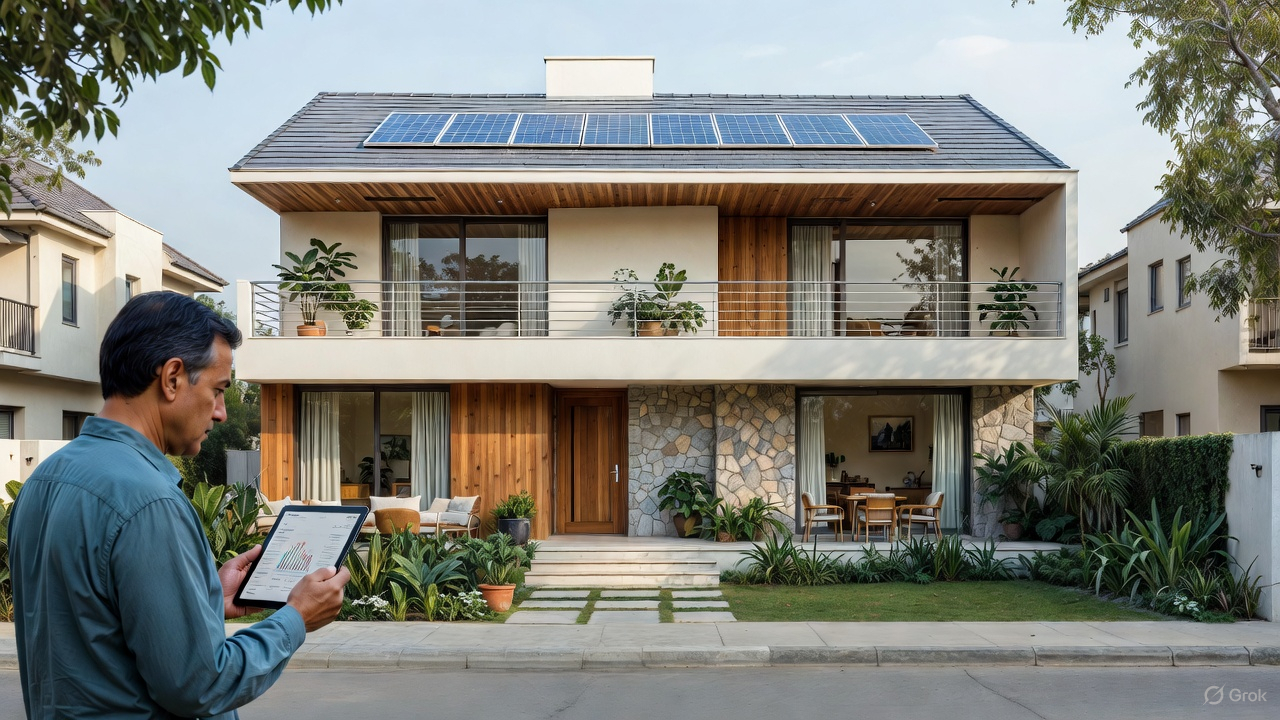



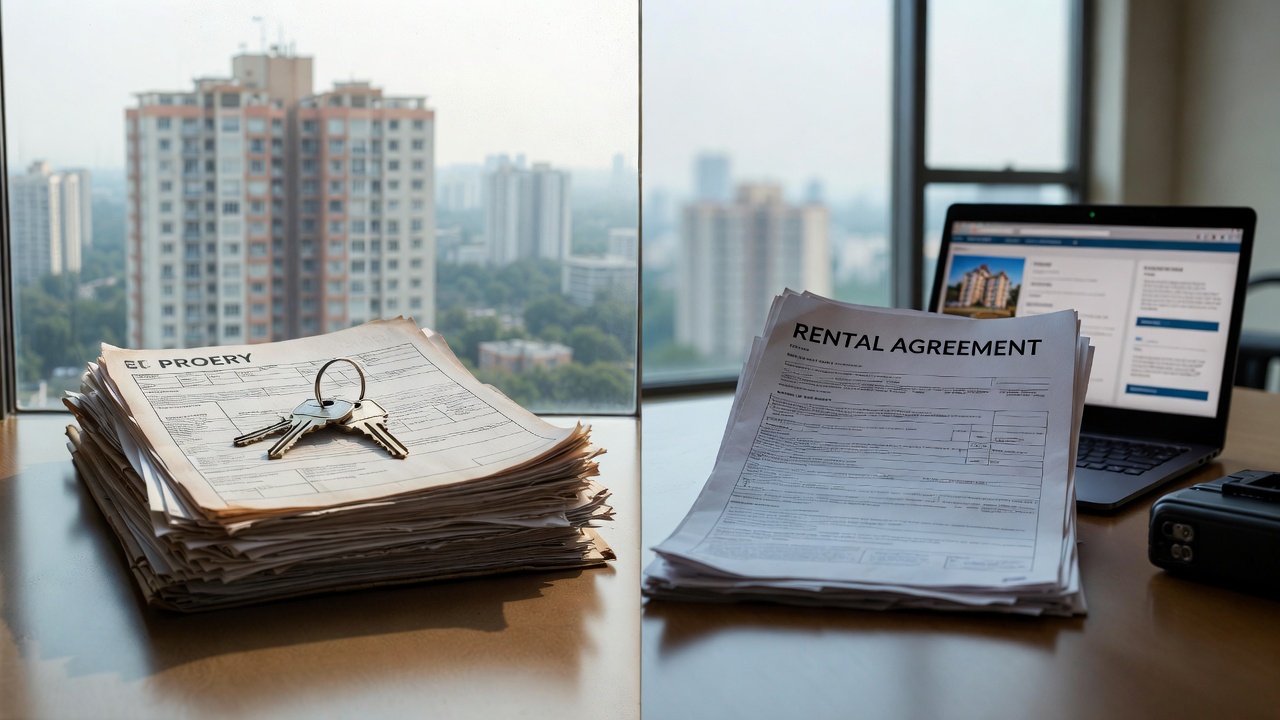
The decision to purchase a house or renting is one of the most significant financial and lifestyle choices an individual or a family will face. Whether to purchase a house of your choice or to live in a rented apartment has become a debate for many. With the soaring prices of the properties and rents continuing to rise, it has become even more difficult for the people to choose.
Union Budget 2026 has also left people hopeless as no relief was given to homebuyers, despite expectations of tax breaks or incentives to support housing demand. Hence, buying a house or renting it, has become a significant financial choice for them. The decision has become more challenging for the people. To make it simpler for everyone, let’s understand the key advantages and disadvantages of each option that can help the individual choose the path that fits best for their finances, lifestyle and future goals.
Advantages and disadvantages of owning a home
Owning a property gives the feeling of accomplishment but with it comes a lot of stress like paperworks, budget, opportunity cost, capital investment, etc.. It is a major financial and personal decision, coming with both rewards and obligations.
One of the main advantages of owning a property is that when you purchase a home, it becomes an asset for you. Over time, the value of the property increases, which builds your wealth. With fixed equated monthly EMI, your payments stay the same, unlike rent, which can go up every year.
Builds equity: Every mortgage payment contributes to building equity, which increases your net worth over time as the loan principal is paid down and the property potentially appreciates in value. It becomes a long-term asset and also brings emotional comfort and a sense of stability for many families.
Tax benefits: Buying a house brings tax benefits on home loans. Homebuyers become eligible for tax deductions on mortgage interest payments and property taxes. This also reduces the overall taxable income.
Stability and security: Owning a home brings a greater sense of stability and accomplishment. It provides long-term security and protection against the rising rent rates, offering a predictable monthly principal and interest payment. There’s a unique confidence that comes with owning a home as there is no need to shift because the owner wants the house back, your child won’t change the school because the lease has ended, and most importantly you have a permanent address that holds your family memories.

Freedom to customize and control: owning the home gives you the freedom to renovate, design, decorate and customize your home as per your liking, space and for that you do need approval from the landlord. People today want more than a roof. They need a special place for themselves to unwind, corners that reflect their personality, layout that fits their routine, and a peaceful, healthier home environment.
Hedge against inflation: Real estate often serves as a good hedge against inflation as the cost of living increases and the value of the property and the rent you save often rise as well.
Psychological Value: Owning a home brings a deep sense of accomplishment, pride and belonging. It is difficult to replicate through other investments. As it establishes a permanent, personalized space -it stems from the fact of owning your own home. It fosters emotional security, knowing you have a stable base, and contributes significantly to overall mental well-being and life satisfaction.
Disadvantages of Owning a Home
High upfront costs: The increasing cost of properties, substantial property for a down payment, closing cost, legal fees, and moving expenses all burn your pocket. While purchasing a house, down payment is required which can be between 3% to 20% of the total cost of the house, closing cost comes in between 2-5% of the loan amount, appraisal fee, and potential repair costs are some of the expenses one has to bear.
Maintenance and repair cost: Once you purchase a home, you are solely responsible for all the maintenance and upkeep of the house. Unexpected repairs like roof, HVAC, plumbing etc. adds to the expenditure. These costs are substantial and unpredictable.
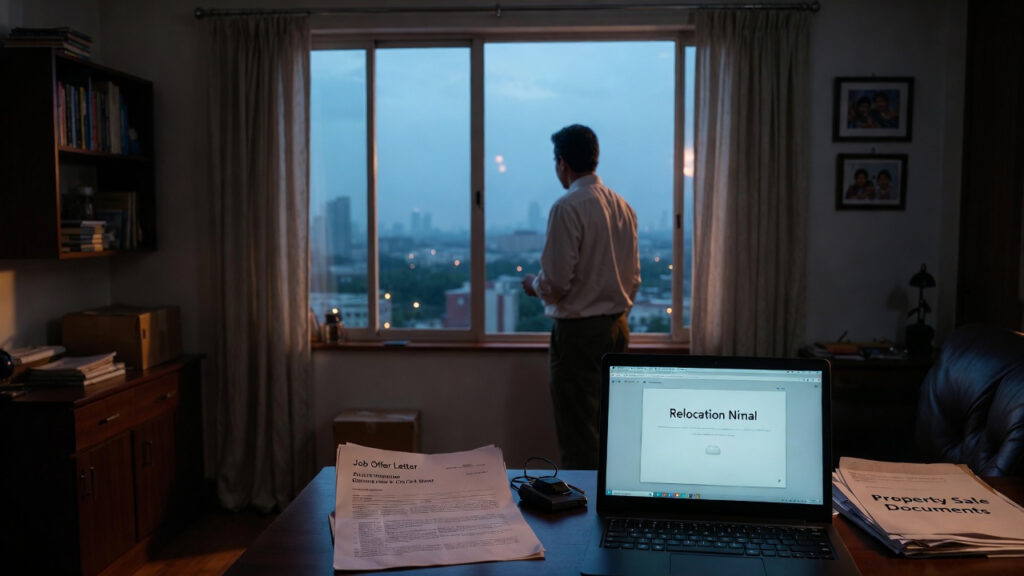
Reduced Mobility/Liquidity: Buying a home means that you become stationed at one place. You can’t move from one place to another if your profession demands. Moreover,selling a home is a long, expensive and complex process. Hence, the lack of mobility limits career and lifestyle changes.
Financial Risk: Property values can decline due to economic downturns or localized factors, potentially leading to financial losses if homes must be sold quickly.
Ongoing Costs: Beyond the mortgage, the owner is responsible for non-deductible costs like property taxes, homeowner’s insurance, and homeowners association fees, which can increase over time.
Time and Mental Load: Managing repairs, dealing with contractors, and performing routine maintenance adds a significant, continuous administrative burden.
Pros and Cons of Renting
In sharp contrast, the transactional simplicity of renting offers a compelling argument for those prioritizing flexibility and lower immediate financial overhead. Renting typically requires only two primary, predictable costs:
- Monthly Rent: A fixed, easy-to-budget payment for the right to occupy the property.
- Broker Fees/Security Deposit: Predictable, one-time or infrequent upfront costs.
The advantages of renting revolves around flexibility and reduced responsibility.

Mobility and career advantage: First and the foremost benefit of rent is that it gives you the advantage of being mobile. You can move easily if new opportunities come up without dealing with property sales. This is invaluable for those whose career demands mobility whether for promotion, new job opportunities, or geographical changes. A renter can typically break a lease with relative ease (often with a penalty) or simply choose not to review, freeing them to pursue professional opportunities without the protracted, expensive, and stressful process of selling a house.
Maintenance free living: Renters enjoy steady monthly costs and lower upfront expenses. The insurance costs for renters are nowhere to what homeowners pay, 15,000 per year compared to 1,05,634. The best part is that the renters do not have to bear the cost of maintenance as it is taken care of by the landlord.
Property Selection: renting offers the flexibility to live in a property of your choosing based on current needs, without the performance of ownership. This allows a person to prioritize proximity to work, schools, or amenities, constantly adjusting their living situation to optimize their current lifestyle.
Unaffected by property fluctuation: When the value of the property fluctuates to market condition, this hits the owner first. Renters on the other hand are not affected by the sharp rise or fall of the property rates. While there might be a small fluctuation in rental prices either on the upper side or the lower side, it will be hardly substantial for them.
Disadvantages

No permanent address: One of the most common problems with the renters is that they do not have a permanent address. The landlord can ask you to move out of the property at the short notice (not less than 30 days) as per the rent agreement. This becomes cumbersome for them as hunting again for an accommodation that suits your budget or location of convenience could be time consuming and stressful.
No asset: Renters do not get the advantage of owning the house. Buying a house adds to your asset portfolio, which is missing in the case of renters. In renting, they pay the monthly amount which in turn does not give them any permanent right to own that property. If they want to build equity, they need to buy a permanent address for it.
Limited freedom: Want to change the wall paint colour? Or do you feel like replacing the interior of the kitchen? Unfortunately, you do not have the authority to take this decision as a renter. When renting a property, your freedom to change things as per your choice becomes limited. If you want to make the house of your own choice, well you might have to own it.
Final thoughts
Whether you buy or rent a house is purely the personal decision of an individual. Flexibility or long-term financial stability– what is best for you, is to decide by you only. Both come with their pros and cons, but in the long run, buying a house is a clear winner as it not only brings stability to the life but also becomes your asset for life, and secures the future of your family. Definitely the decision to buy a house outweighs those of renting one.