







Why the Most Successful Spaces Are Planned Like Ecosystems, Not Projects
Projects have timelines.
Ecosystems have relationships.
When a space is treated purely as a project, focus remains on deadlines and budgets. While these are essential, they often overshadow the invisible connections that determine long-term success. A project mindset asks, “When will it be finished?” An ecosystem mindset asks, “How will it function over time?”
The difference is profound.
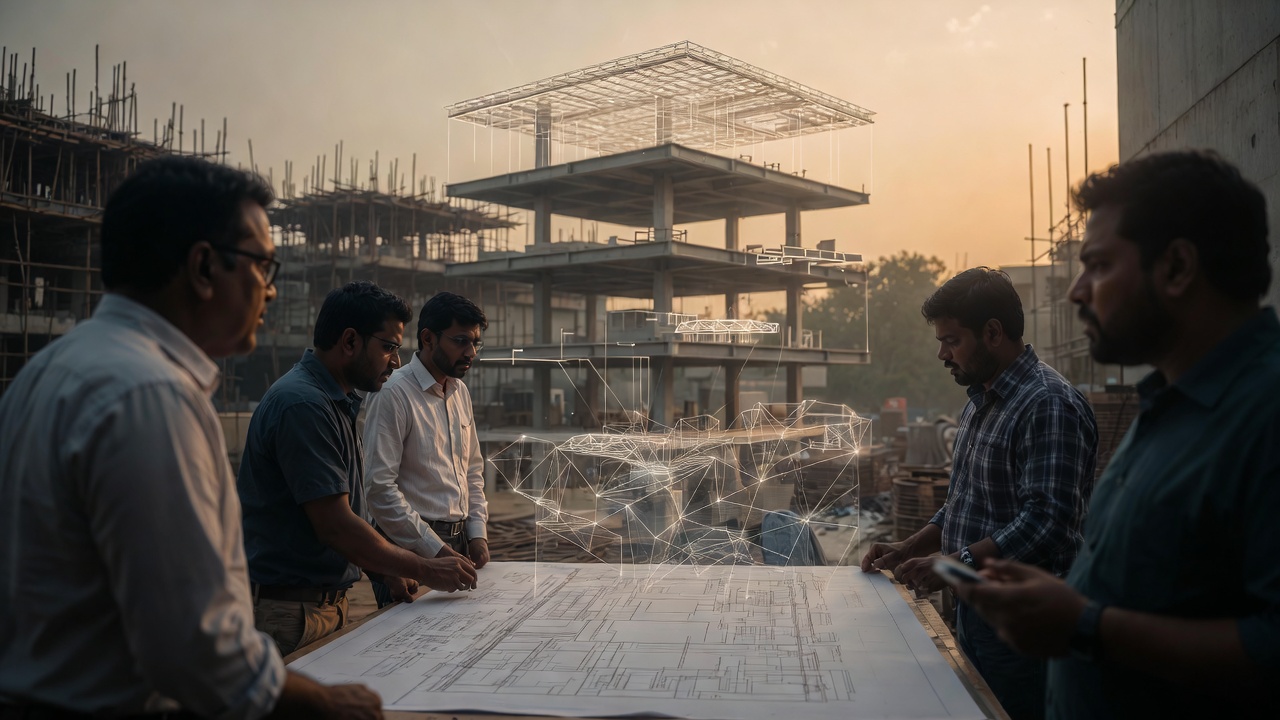
An ecosystem-planned space considers how architects collaborate with builders before drawings finalize. It evaluates how furniture integrates into movement flow rather than filling empty areas. It ensures carpenters and plumbers enter discussions early instead of correcting late-stage complications. It aligns brands not only with aesthetics but with durability and service networks.
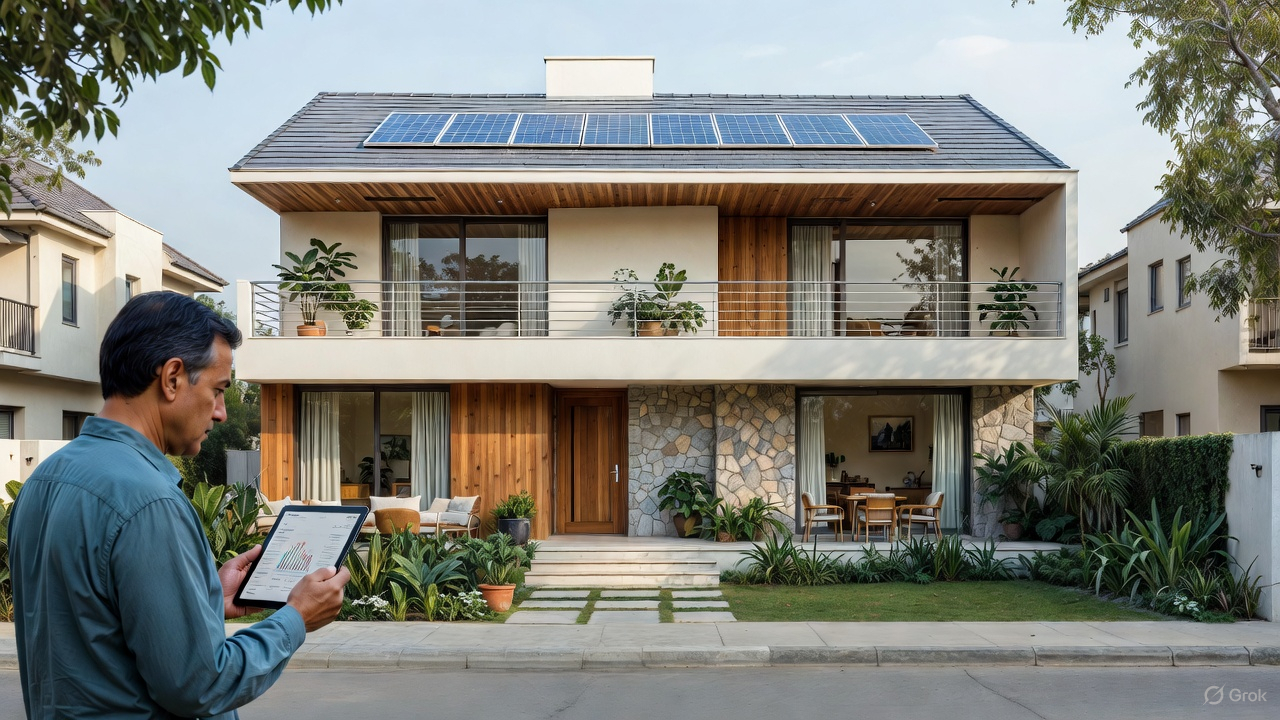
What emerges is not merely a finished environment, but a living structure capable of adapting, scaling, and sustaining itself.
Digital advisory ecosystems and structured planning platforms are accelerating this shift. They do not replace human expertise; they organize it. By mapping professionals, brands, and service specialists into visible networks, they transform scattered decisions into coordinated journeys.
The most successful spaces are rarely those completed fastest.
They are those connected earliest.
Because a project ends — but an ecosystem continues to evolve.