




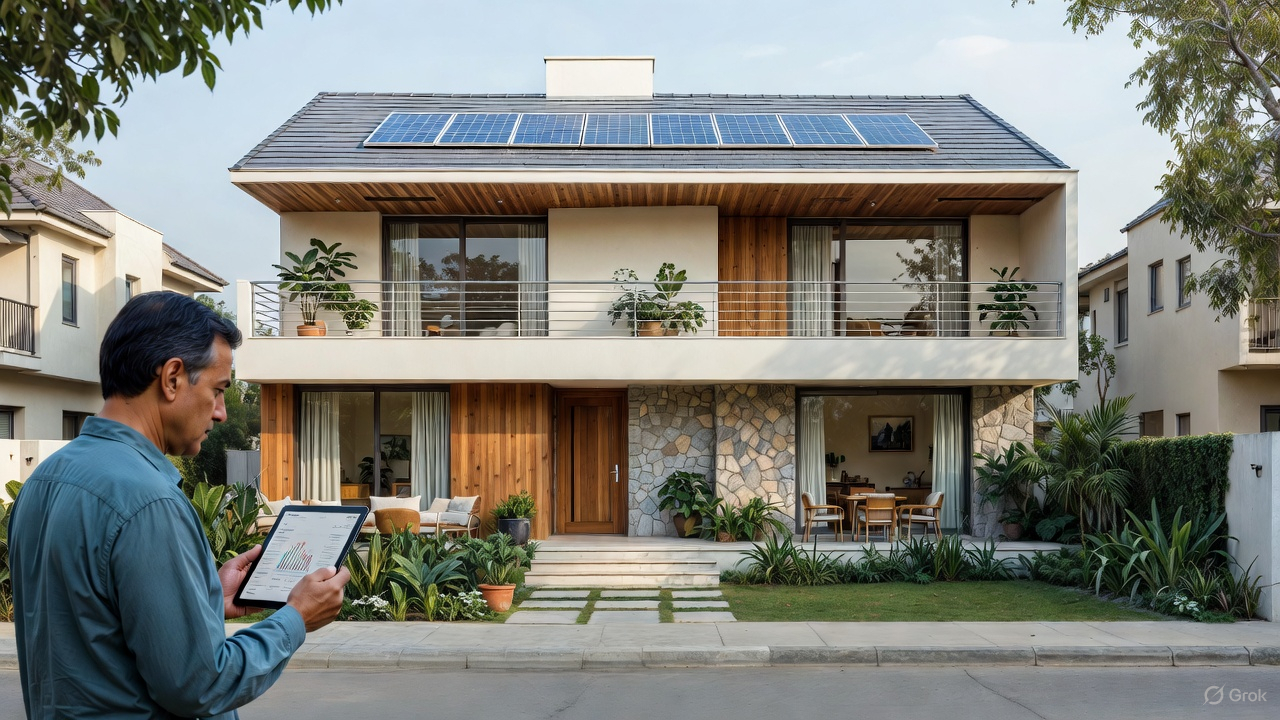



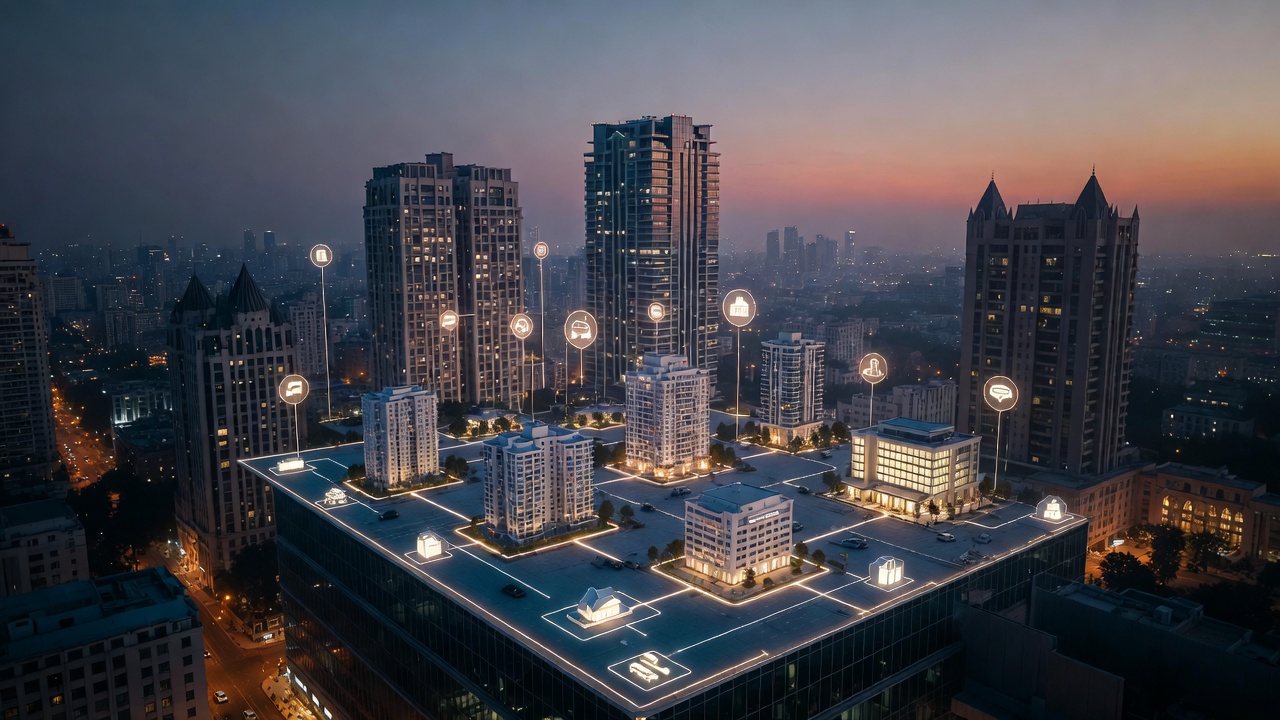
While the real estate industry has undergone changes, the process of buying, building, and maintaining homes remains disjointed. The next generation of real estate requires an ecosystem centered on technology, trust, and integration.
The real estate industry is one of the largest contributors to the economy, yet it remains one of the most fragmented sectors when it comes to user experience. Buying a property, building a home, or even maintaining one often requires dealing with multiple people, scattered information, and zero accountability. This is where the concept of a real estate ecosystem becomes not just relevant—but essential.
A new-age real estate ecosystem focuses on integration, transparency, and technology, bringing every stakeholder onto a single platform. And this shift is defining the future of real estate.
What is a real estate ecosystem?
The real estate ecosystem is an integrated digital environment where homeowners, buyers, builders, architects, interior designers and allied service providers co-exist under one platform. Instead of operating in silos, every service and professional involved in the property lifecycle becomes accessible through a one stop real estate platform.
From discovering a property to hiring an architect, from booking a plumber to generating leads for builders-everything happens within a single system. This ecosystem-driven approach eliminates friction, saves time and improves trust across the value chain.

Why are traditional real estate models failing?
Despite advancements in construction and design, the real estate industry relies heavily on outdated processes. The problems are deeply rooted:
Fragmented Services
Homebuyers and homeowners often juggle multiple contacts-brokers, contractors, electricians, plumbers, designers-without any centralised coordinations.
Lack of Transparency
Pricing, timeline, service, quality and accountability remain unclear, leading to cost overruns and delays.
No Unified Platform
Listings exist on one app, home services on another and professional contacts are shared informally. There is no integrated real estate platform managing the entire journey.
Trust deficit
Finding verified professionals remains a challenge, forcing users to rely on word-of-mouth or trial and error.
These gaps highlight the urgent need for digital real estate transformation.
The rise of one-stop real estate platform
Technology has transformed industries like food delivery, travel and banking. Real estate is now following the same path. The emergence of one app for all real estate services is reshaping how people interact with property.
A modern real estate technology platform offers:
- Verified professionals
- Centralized communication
- Transparent service workflows
- Seamless booking of home services
- Data-driven decision-making
Instead of managing chaos, users experience clarity.
How Integrated Platforms Benefit Every Stakeholder

For Homebuyers & Homeowners
- Easy access to trusted professionals
- Faster decision-making
- Reduced stress and coordination issues
For Builders & Developers
- Qualified leads
- Brand visibility
- Better project positioning
For Architects & Interior Designers
- Credibility through verification
- Consistent project opportunities
- Digital presence beyond social media
For Allied Service Providers
- Structured service demand
- Reduced dependency on referrals
- Technology-enabled growth
This ecosystem approach converts disconnected services into a property services platform that works for everyone.
Trust Is the New Currency in Real Estate
In a digital-first world, trust determines success. A real estate ecosystem thrives on:
- Verified profiles
- Ratings and reviews
- Transparent processes
- Clear communication
Technology doesn’t replace human expertise—it enhances it by creating accountability and reliability.
The Future of Real Estate Platforms
The future belongs to platforms that don’t just list properties but manage the entire home lifecycle. From buying and building to maintaining and upgrading, real estate super apps in India are set to become the backbone of the industry.
As consumer expectations evolve, real estate can no longer remain fragmented. Integrated ecosystems will define how homes are bought, built, and maintained in the coming decade.
Final thoughts
Real estate is no longer just about square feet—it’s about experience, efficiency, and trust. A well-designed real estate ecosystem simplifies complexity and empowers users with control over their entire property journey.
One-stop real estate platforms are not a trend. They are the future.