



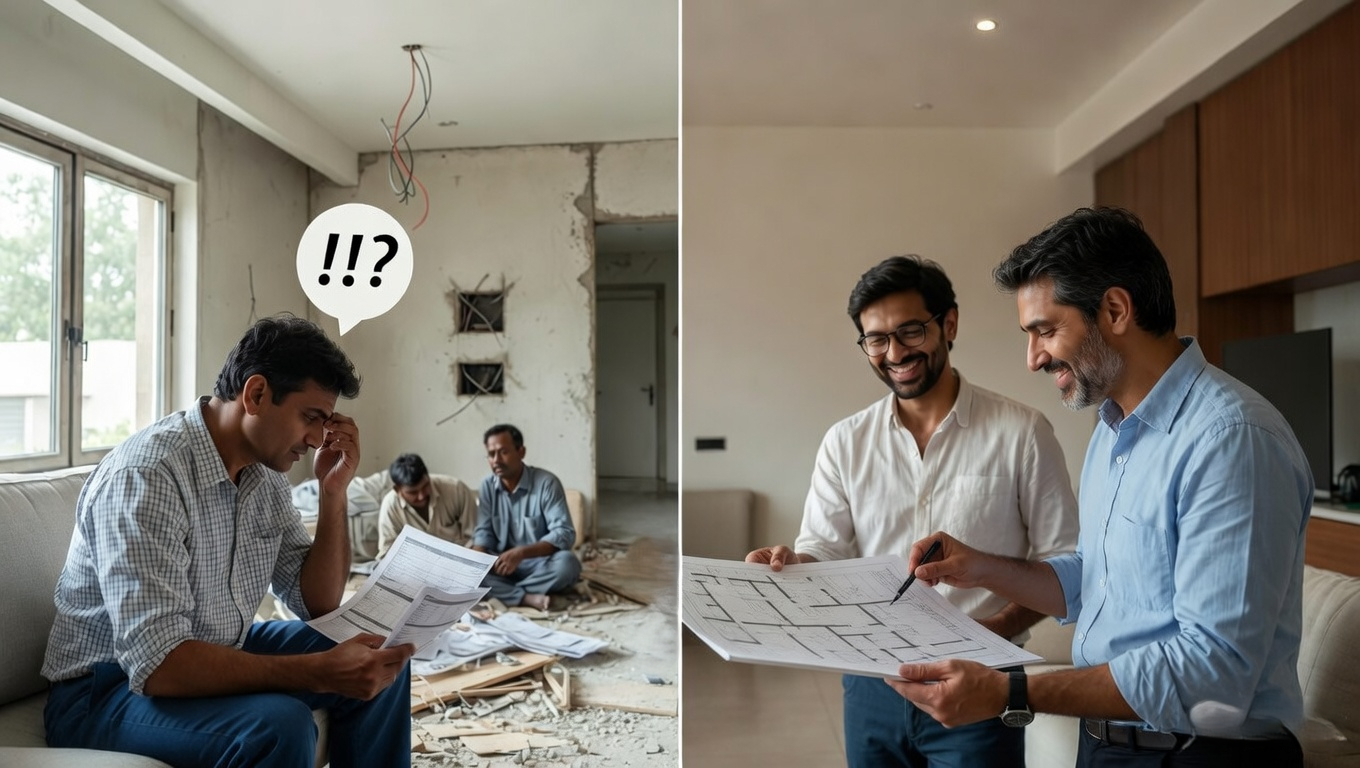


When you start building a home, you desire it to be your personal abode just like you have dreamt off. But some homeowners tries to avoid to hire an architect as they feel it will add a cost to their budget. They skip professional services- especially hiring a designer who can help you not only design your dream home but also helps in utilising every sqft. of your home to the max.
For many homeowners, it seems like an unnecessary cost. Hence, it often leads to poor planning, poor layouts, inefficient designs, and expansive mistakes during construction. The reality is much simpler: hiring an architect is not an expense– it is an investment that can save you significant money in the long run.
The Common Misconception About Architects
Many people believe architects are only required for luxury homes or large-scale projects. Others assume that builders or contractors can handle design decisions.
This misunderstanding leads homeowners to:
- Rely on standard layouts
- Make on-site design decisions
- Overlook structural and functional planning
Without professional design guidance, construction becomes reactive instead of strategic.
What Does an Architect Actually Do?
An architect is responsible for translating your vision into a functional, efficient, and sustainable design.
Their role includes:
- Space planning and layout design
- Structural coordination
- Natural lighting and ventilation planning
- Material selection guidance
- Compliance with building regulations
Architects balance aesthetics, functionality, and cost efficiency—something that cannot be achieved through ad-hoc decisions.
1. Efficient Space Planning Saves Money
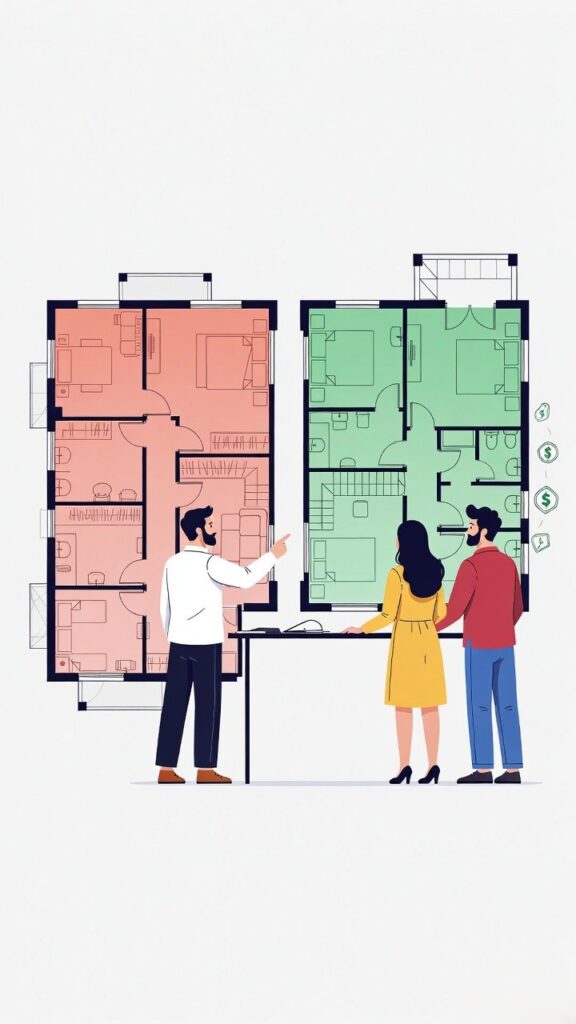
One of the biggest ways architects help reduce costs is through optimized space planning.
A well-designed home:
- Minimizes wasted space
- Improves usability
- Reduces unnecessary construction area
For example, eliminating redundant corridors or poorly planned layouts can significantly lower construction costs per square foot.
Every square foot saved is money saved.
2. Avoiding Costly Construction Mistakes
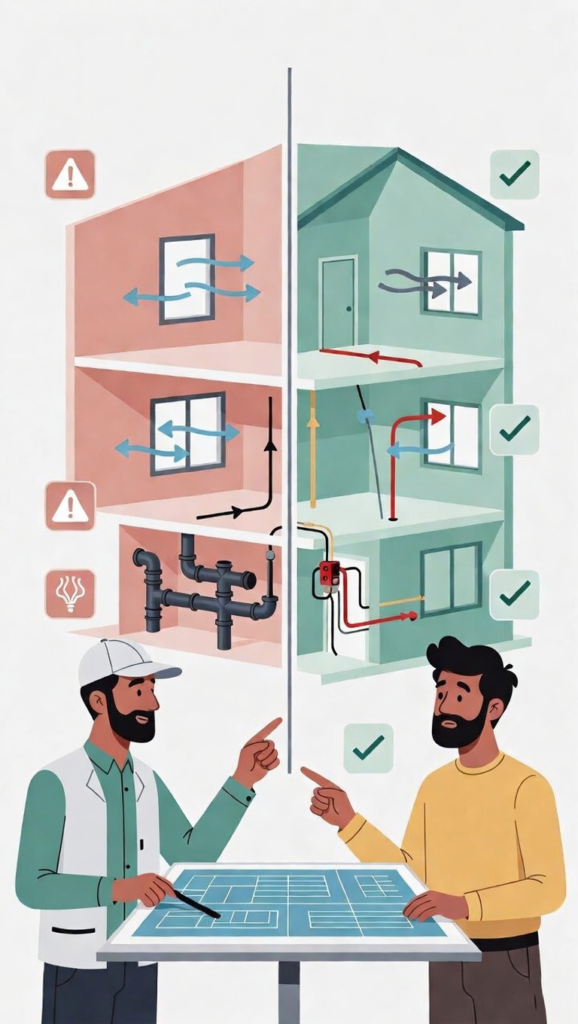
Without proper planning, construction errors are common. These mistakes often result in rework, which increases both time and cost.
Common issues include:
- Incorrect room dimensions
- Poor ventilation planning
- Structural inconsistencies
- Misaligned plumbing and electrical layouts
Architects create detailed drawings and plans that guide builders accurately, reducing the chances of on-site errors.
3. Better Material Selection and Usage
Material selection plays a major role in construction costs. Architects help homeowners choose the right materials based on:
- Budget
- Durability
- Climate conditions
- Maintenance requirements
They also ensure materials are used efficiently, reducing wastage. This prevents overspending and improves long-term performance.

4. Energy Efficiency Reduces Long-Term Costs
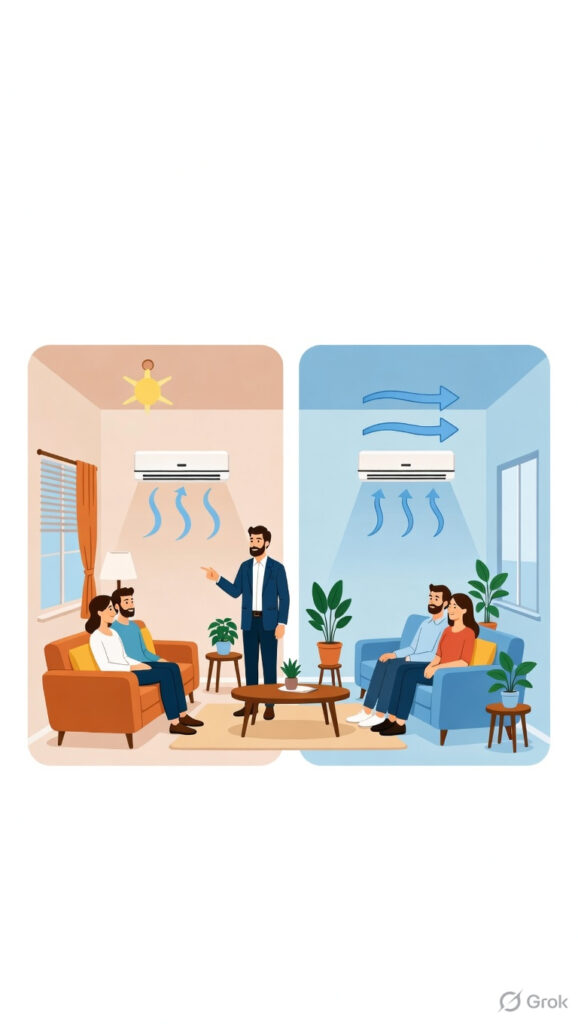
A well-designed home considers natural elements such as sunlight, airflow, and orientation.
Architects design homes that:
- Maximize natural light
- Improve ventilation
- Reduce heat gain
This leads to lower electricity bills and reduced dependence on artificial cooling and lighting systems.
Over time, these savings can be substantial.
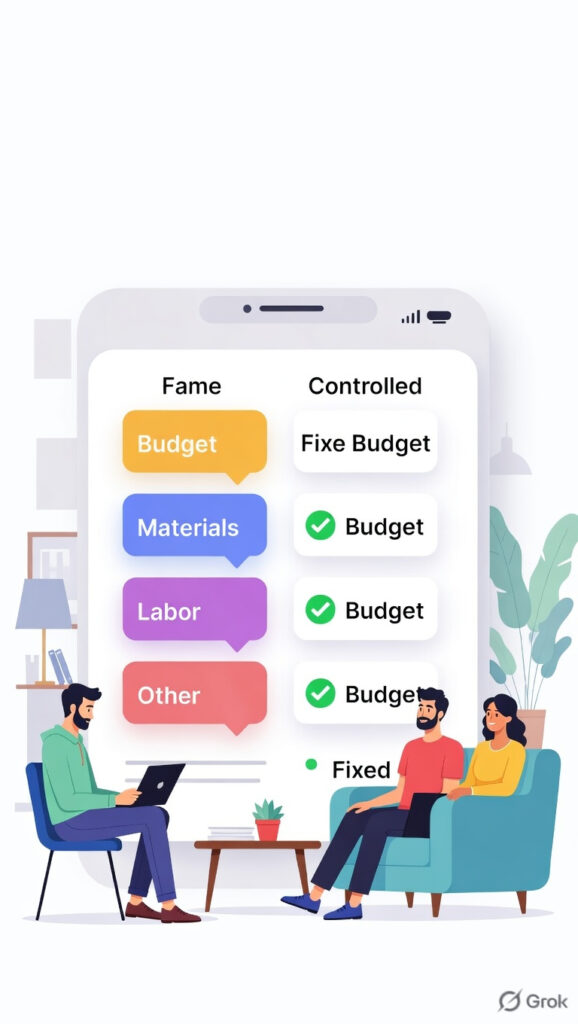
5. Budget Planning and Cost Control
Architects help homeowners plan realistic budgets and allocate funds efficiently across different aspects of construction.
They provide:
- Cost estimates based on design
- Material and finish options within budget
- Guidance on where to spend and where to save
This structured approach prevents overspending and ensures better financial control.
6. Increased Property Value

A well-designed home is not only functional but also attractive to future buyers.
Architect-designed homes often:
- Have better layouts
- Offer improved living experience
- Command higher resale value
Good design enhances both usability and market appeal, making it a long-term investment
.
7. Coordination Between Stakeholders
Construction involves multiple stakeholders, including builders, contractors, electricians, plumbers, and interior designers.
Architects act as a central coordinator, ensuring that:
- All professionals work according to the design plan
- Communication is clear
- Execution aligns with the vision
This coordination reduces confusion, delays, and costly miscommunication.


8. Future-Proofing Your Home
Architects design homes not just for current needs but also for future adaptability.
They consider:
- Expansion possibilities
- Changing family needs
- Technological upgrades
This prevents the need for expensive modifications later.
The Cost of Not Hiring an Architect
Skipping an architect may seem like a short-term saving, but it often leads to:
- Poor space utilization
- Higher construction costs due to errors
- Increased maintenance expenses
- Reduced property value
In many cases, the cost of fixing mistakes exceeds the fee of hiring an architect.
The Role of Technology and Modern Design
Today, architects use advanced tools and software to create precise designs, 3D visualizations, and simulations. This allows homeowners to:
- Visualize the final outcome before construction
- Make informed decisions
- Avoid design-related uncertainties
Technology enhances both accuracy and efficiency in the design process.
Final Thoughts
Building a home is a complex process that requires thoughtful planning and expert guidance. While it may be tempting to cut costs by skipping professional services, this approach often leads to higher expenses in the long run.
Hiring an architect ensures:
- Better planning
- Efficient execution
- Long-term savings
- Improved quality of living
In real estate, smart decisions are not about spending less—they are about spending wisely. An architect does not add to your cost. They protect your investment.