




Sustainable homes are a necessity today. It has moved from a niche preference to a more mainstream expectation of a buyer. This transition is seen because of growing lifestyle maturity among homebuyers. What was once considered a niche offering for the elites has become a defining benchmark across the residential commercial projects. Janardhan Kompally, Founder & Chairman, Makuta Developers shares his thoughts on the changing preferences of the eco-conscious buyers with Bhavna Satsangi from Squarefoot Story.
Sustainability has moved from a niche preference to a mainstream expectation. What key shifts have accelerated this transition as we approach 2026?
At Makuta Developers, we see this transition as a result of growing lifestyle maturity among homebuyers. Today’s buyers look beyond surface aesthetics and focus on how a home performs over time, how it responds to climate, how efficiently it uses resources, and how comfortably it supports everyday living. Sustainability has naturally become part of quality expectations rather than a separate consideration.
Homebuyers today are far more energy-conscious than before. How is rising awareness around energy costs and climate impact shaping residential demand?
Energy awareness has reshaped residential demand toward homes that feel stable, efficient, and thoughtfully planned. Buyers increasingly value homes that are naturally well-lit, well-ventilated, and designed to reduce dependence on artificial cooling and lighting. This shift aligns closely with how Makuta Developers plans its communities where energy efficiency supports comfort and ease of living without compromising design sensibility.
Energy efficiency is now closely tied to long-term value. Do you see green homes commanding stronger price appreciation and resale demand by 2026?
Yes, by 2026, energy-efficient homes are expected to enjoy stronger long-term relevance. Homes that are designed responsibly tend to retain desirability because they continue to meet evolving lifestyle expectations. At Makuta Developers, we view energy efficiency as a value-preserving attribute, one that supports sustained demand, long-term usability, and consistent appeal across market cycles.
Design plays a crucial role in sustainable living. How are developers rethinking layouts, materials, and orientation to improve energy performance without compromising comfort?
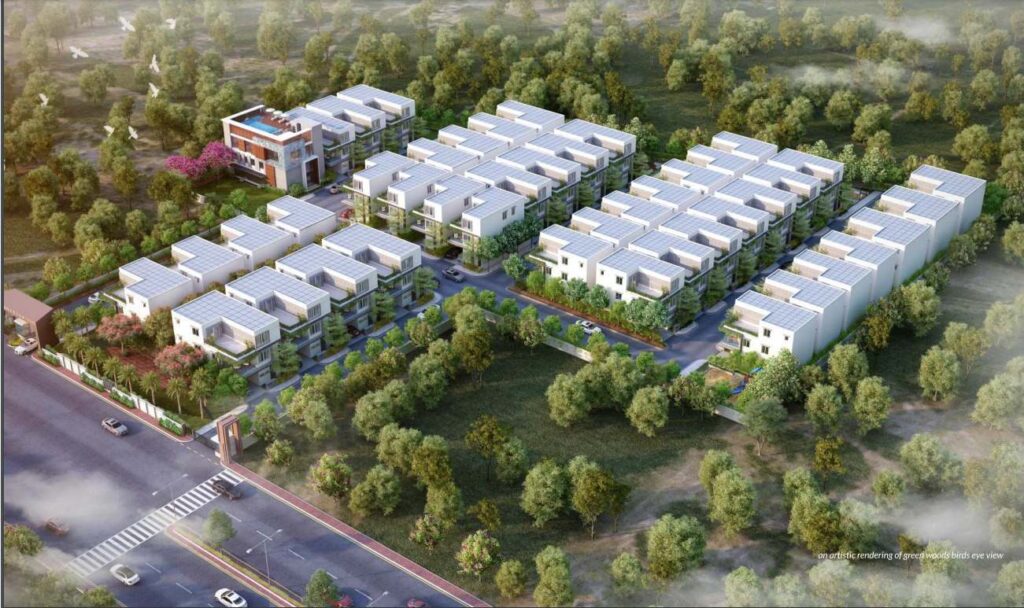
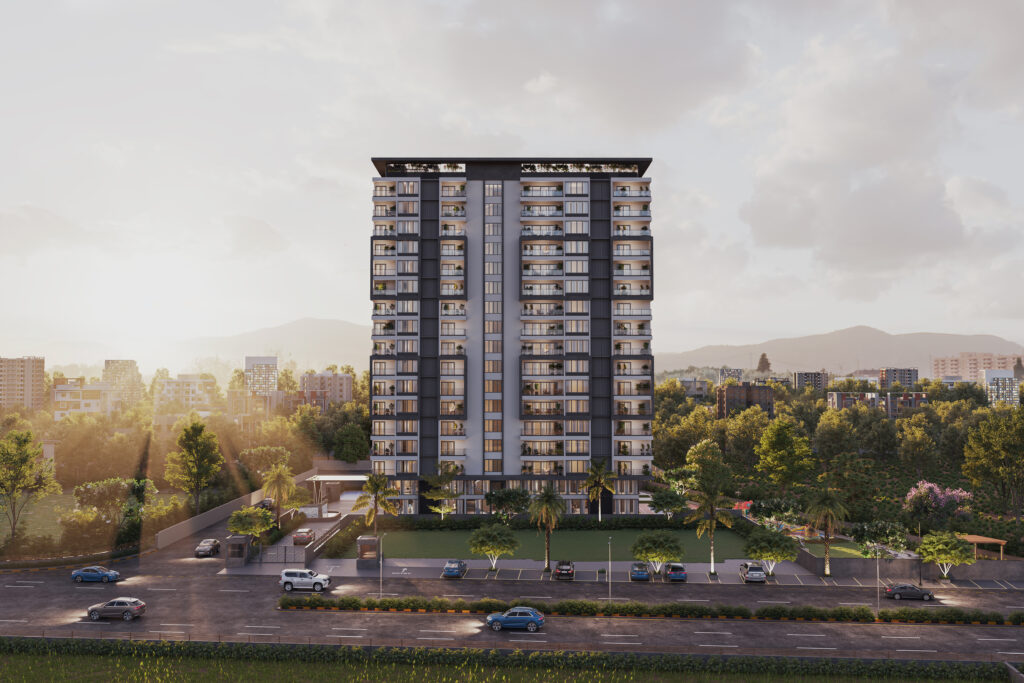
Design is the foundation of sustainability. Developers today are focusing on building orientation, airflow planning, natural daylight, and spatial efficiency. In projects like Makuta Horizon, design decisions are made early to ensure energy performance is inherent rather than added later. This approach allows sustainability to coexist seamlessly with comfort, aesthetics, and luxury.
Technology is becoming the backbone of sustainable housing. Which smart energy solutions—such as solar integration, water management systems, or automation—will become standard in residential projects by 2026?
By 2026, technologies such as solar power for common areas, intelligent water management systems, and automation-ready infrastructure are expected to become standard across quality residential developments. Across Makuta Developers’ portfolio, technology is used as an enabler quietly supporting efficiency, convenience, and long-term functionality without overwhelming the resident experience.
Sustainable construction often raises concerns around cost. How are developers balancing upfront investment with long-term operational savings for homeowners?
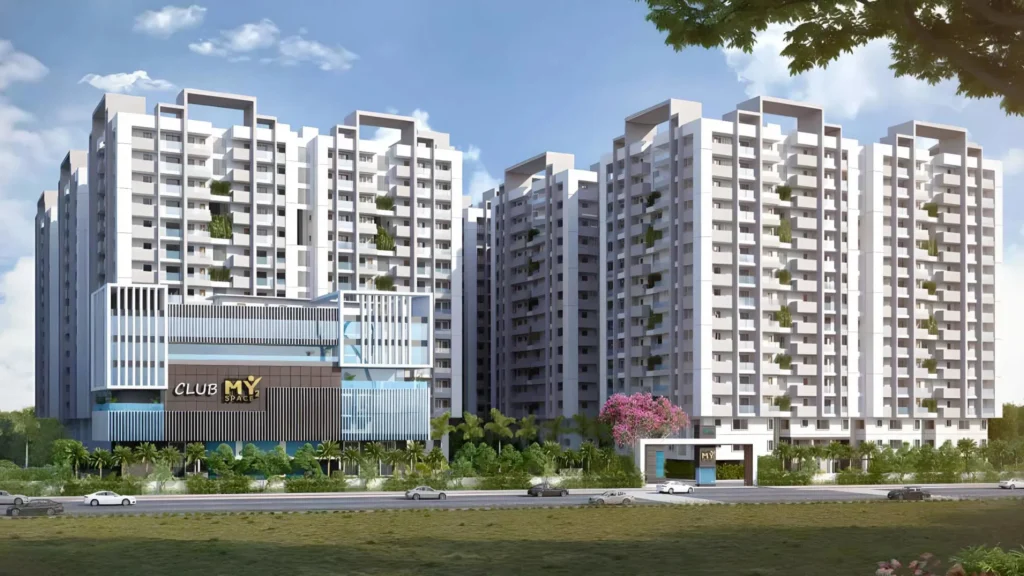
Developers are increasingly taking a long-term view. Smart design, durable materials, and efficient systems allow sustainability to be integrated thoughtfully. In developments such as Makuta Nirvana, the focus is on intelligent planning that delivers lasting benefits to homeowners. Sustainability, when approached strategically, enhances overall value rather than altering affordability dynamics.
Institutional investors are increasingly focused on ESG-aligned assets. How is this shift in capital influencing the scale and quality of sustainable residential developments?
The growing focus on ESG has strengthened confidence in well-planned residential developments. This shift supports better design discipline, higher execution standards, and long-term thinking. For developers like Makuta, ESG alignment reinforces a commitment to responsible growth ensuring that sustainability is embedded at both project and portfolio levels.
Regulatory frameworks are evolving alongside market demand. What role do building codes, incentives, and certifications play in accelerating energy-efficient housing?
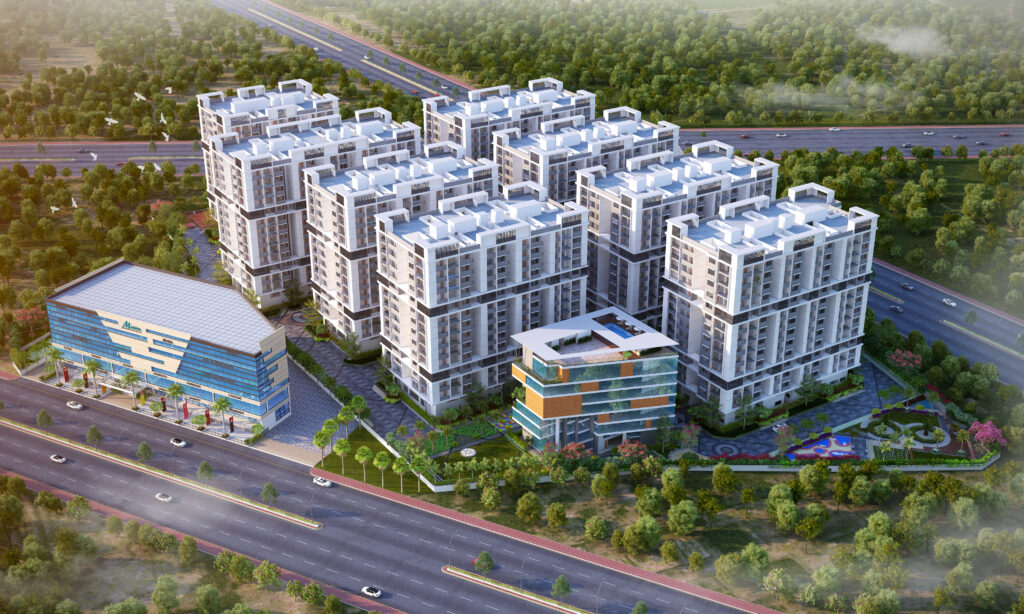
Building codes, sustainability guidelines, and green certifications help elevate industry benchmarks. They encourage best practices and support the delivery of future-ready homes. At Makuta Developers, these frameworks act as enablers—helping translate responsible intent into consistently high-quality residential environments, including developments like Makuta Taranga.
Sustainable homes require sustained performance beyond handover. How important will post-occupancy monitoring and resident education be in
delivering real energy savings?
Post-occupancy awareness is essential to maximising the benefits of sustainable design. When residents understand how their homes are planned to function, energy efficiency becomes part of everyday living. Developers increasingly recognise that sustainability is a shared journey—one that continues well beyond project completion.
Looking toward 2026 and beyond, do you believe sustainability will become the defining factor in residential real estate competitiveness, and what will differentiate truly green projects from those that are merely compliant?
Looking toward 2026 and beyond, sustainability will be a defining element of residential competitiveness. Truly future-ready projects will be those where sustainability is integrated into design, planning, execution, and daily living.
At Makuta Developers, sustainability represents a long-term commitment—to create homes that perform quietly, live comfortably, and remain relevant for generations. It is this integrated approach that continues to guide our residential developments and brand philosophy.