




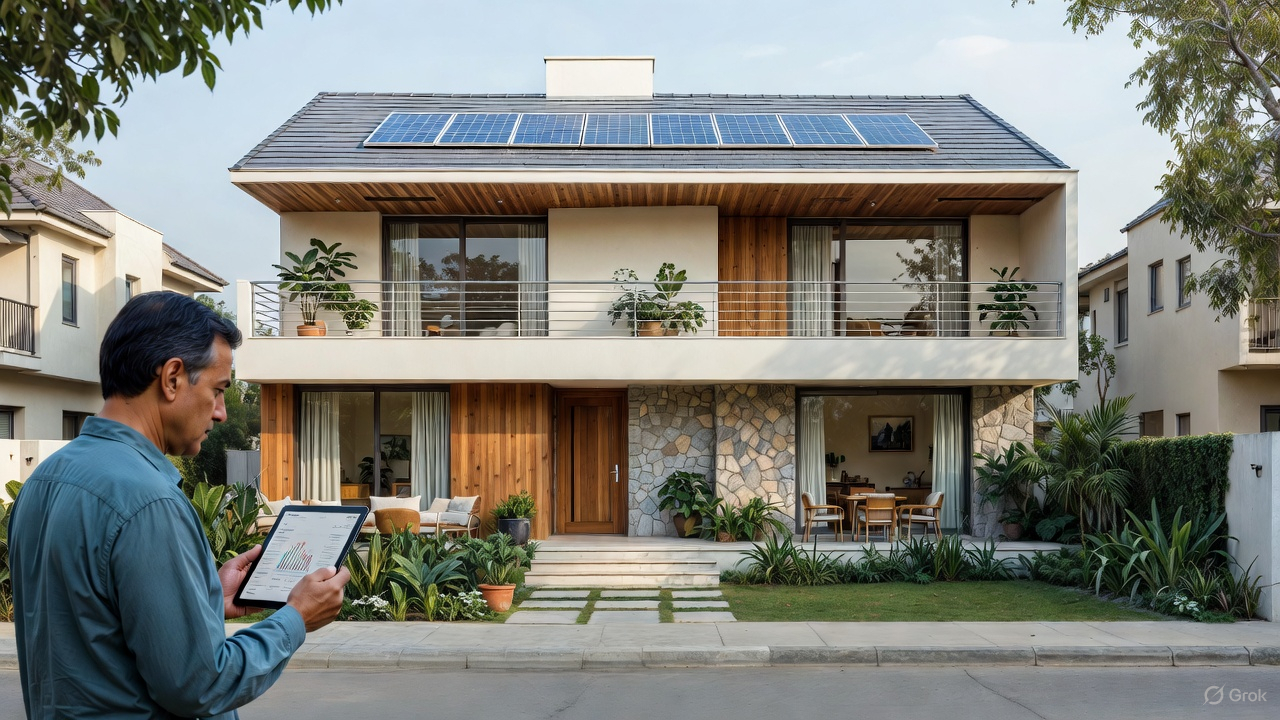

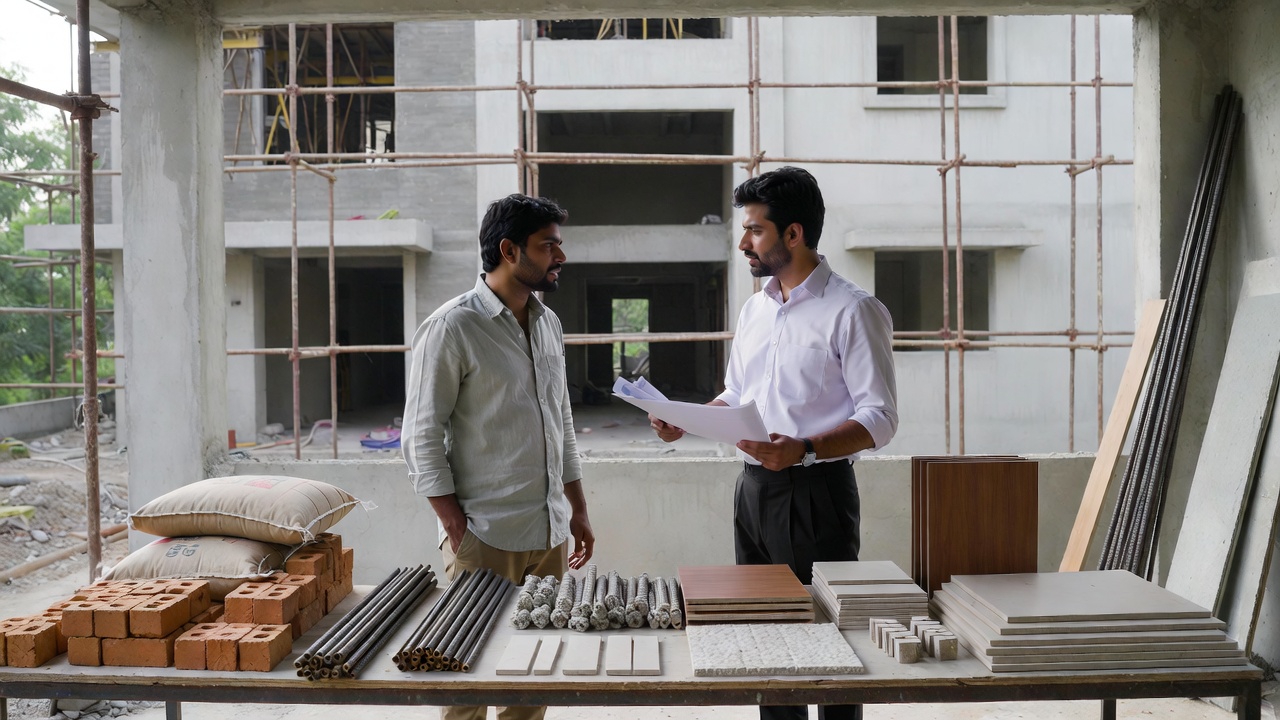

Before building a home, there are several things to be kept in mind. Building a home is a most significant investment that a person makes. Since building a home requires essential knowledge and understanding of core materials involved. It will help them make essential decisions, informed choices, manage budgets, and ensure durability and safety in their projects.
Carefully selected for different applications for its long lasting, safe, strong, durable, weather-resistant, water-resistant, and fire-resistant feature, the home can only be a home when all these features are carefully selected and applied.
But between all this hustle of carefully planning the look of your house, budgeting the materials, sourcing the materials, one thing that is often missed is the quality of the material used. We stress on the look of the house, but we often forget that the quality of the raw material is very important to make the house as it is going to be the first structure on which the house is built and yes, it is for a longer duration.
Let’s get down to the list that can help you make your house strong, durable and give you long-term security, and best resale value. The guide to construction material 101 will help you make smarter, more informed decisions.
Why construction materials matters more than you think
A home is not just about bricks and cement, it is a structural system where each material plays a crucial role. Choosing an inferior or in appropriate materials can result in:
- Structural weakness
- Cracks and leakages
- High maintenance costs
- Poor insulation
- Reduced property value
Contrary to it, selecting the quality materials ensures longevity, efficiency and peace of mind.
Cement: The foundation of strength
Cement is the backbone of your home. It is a fundamental building material that acts as a binder in construction. Its quality directly impacts structural integrity.
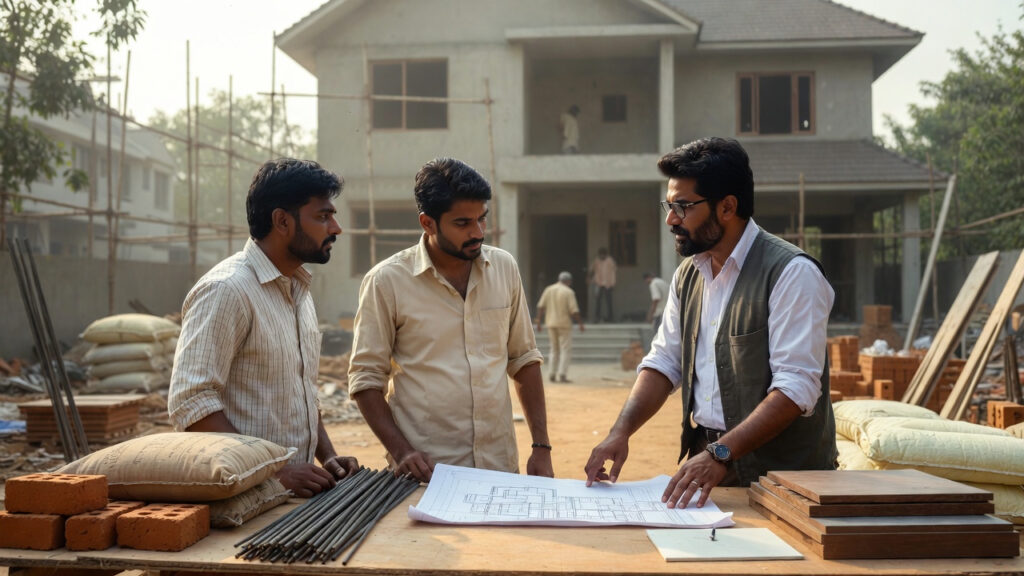
What homeowners should look
- Good quality cement to be used as it is foundation of the home that holds it for years
- Use of reputed brands with quality certifications
- Ensure proper storage to prevent moisture damage
- Choose the right grade like OPC or PPC based on structural needs
When good quality cement is mixed with water, sand and aggregates, it forms concrete and mortar which holds bricks, stones and other materials together. Where low quality cement or improper mixing ratio can lead to weak structures and cracks over time, high quality cement will ensure strong structure, durable and making it vital for any build or renovation project.
Steel: The backbone of the structure
Steel is prized for its strength and versatility. Steel reinforcement bars (TMT bars) provide strength to concrete structures. Steel beams and collar support heavy loads, allowing for open floor plans and taller buildings.
Key considerations:
- Check for proper grade like Fe500 or Fe550
- Ensure corrosion resistance
- Verify manufacturer grade
- Recyclable
- Fire resistant
- Pest resistant
Compromising on steel may not show immediate results, but it significantly affects long-term structural stability. The steel should enhance the stability of the structure. Choosing good quality steel ensures the stability and longevity of the house.
Bricks and blocks: more than just walls
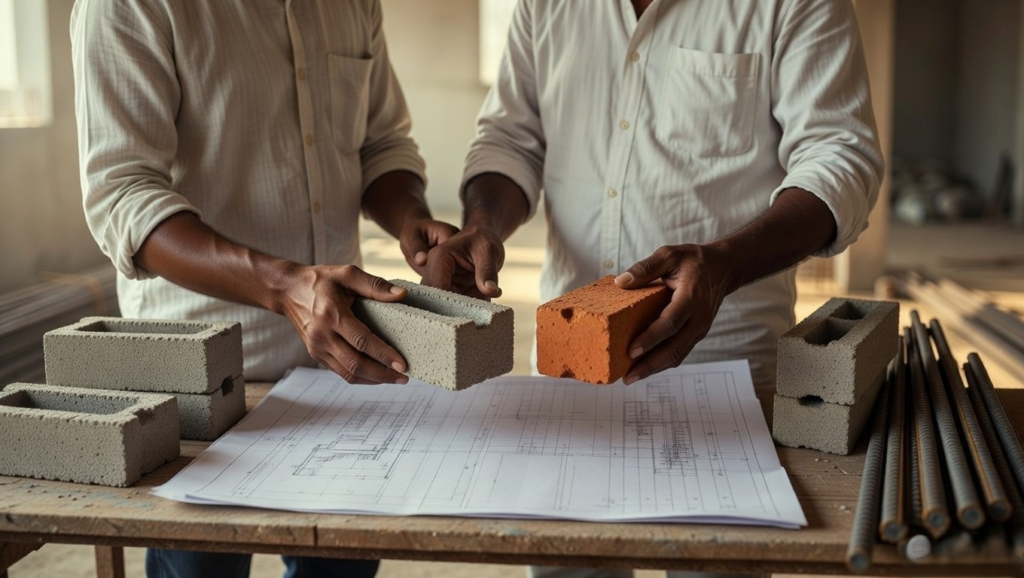
Bricks and blocks give structure to a house. Walls are not just separators, they impact insulation, strength and energy efficiency. They form the vertical structures of homes-from exterior walls to partitions. These materials are fire resistance, sound insulation and thermal mass that helps regulate indoor room temperatures. Some use bricks for aesthetic appeals while blocks are chosen for cost effectiveness and strength.
Options include:
- Clay based bricks
- Fly Ash bricks
- AAC (Autoclaved Aerated Concrete) blocks
AAC blocks have better thermal insulation and lighter weight, reducing structural road. One can choose depending on the climate, budget and structural design.

Wood: versatile and aesthetic
Wood is widely used in houses at the colder places for flooring as it helps keep the house warm and cozy. Wood remains a popular choice for almost all as it beautifies the interiors and adds to the natural beauty of the house. Wood is basically used in framing, flooring, roofing and cabinetry. Softwood like pine is used for framing and hardwood like oak is used for decorative purposes. PVC wood is used for sustainability, against pests and moisture, extending the lifespan of the wooden cabinets and almirahs.
Sand and Aggregates: the silent features
Aggregates like crushed stone and gravel and sand are critical ingredients that are mixed in concrete and mortar. They add strength, bulk and cohesion to the mixture, directly impacting the structural integrity of foundations, floors and walls. The quality and grading of these materials affects the durability and finish of the construction. If poor quality is used, it can weaken the structure.
What to check
- Clean quality material
- No excessive silt content
- Proper size aggregates for structural concrete
To avoid contamination, it is advisable that the materials are sourced from a reliable supplier.
Waterproofing
The word in itself is understood to check how much importance it has to make your house structure durable. Water seepage is one of the most common problems in every household. To fight this problem, waterproofing is the only solution that can help maintain the health of your house. Proper waterproofing during construction can prevent damp walls, mold growth, and structural deterioration. Investing in high quality waterproofing solutions during construction is far cheaper than post-construction repairs.
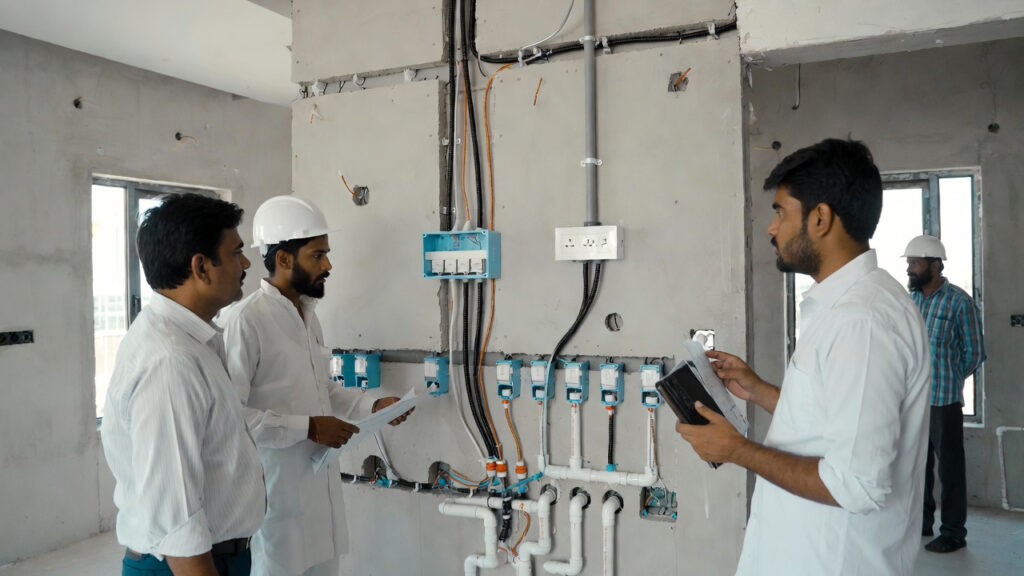
Electrical and plumbing material: for a safe house
To keep your house safe and secure, electrical equipment and plumbing materials should be of A grade quality. Electrical wiring and plumbing pipes are often critical components that offer a safe and secure house. To keep the home secure it is advisable to use fire-resistant wires, branded switches and circuit breakers, to ensure proper earthing. For plumbing opt for durable CPVC and UPVC pipes, ensure pressure resistance fittings, test systems before closing walls. Poor quality electrical or plumbing materials can lead to costly and dangerous failures.
Cost Vs quality
Safety is paramount in home construction. Using inferior or cheap quality material may lead to over spending. It also increases the risk of structural failure, fire hazards, and water damage. One of the major misconceptions among people is that using higher quality materials may lead to over budgeting or burn a hole in the pocket. However, the reality is that using the cheap quality material increases the cost due to frequent repairs, higher energy bills, and early replacements. Smart budgeting helps in investing in structural and functional components first.
Final thoughts
Building a home is not a regular feature. It is a once in a lifetime investment. Budgeting everything and using the good quality materials in building the foundation of your home is very essential. Choosing high quality materials ensure safety, security, durability, and value appreciation of the house. Construction materials are not just items, they are the backbone of your abode. Before building, educate yourself, ask questions, and demand quality certifications.