




Fenestration, which was once considered a basic tool for construction, is now emerging as a critical factor in determining how it performs in terms of comfort, insulation, durability and overall living experience. Dilip Kumar, Co-Founder & CEO, IndiFrame, talks to Bhavna Satsangi from Squarefoot Story and shares how IndiFrame is repositioning fenestration from a commodity purchase to a long-term investment in home quality.
India’s windows and doors market is still largely unorganised. What were the biggest gaps you identified that led to the creation of IndiFrame?
When we first began working in this space and visited project sites and homes across cities, one thing became clear: windows and doors were often treated as basic construction items rather than as critical to how a home performs.
In India, the category is still highly fragmented. Most decisions are driven by price or appearance, while aspects such as sound insulation, weather resistance, durability, and installation quality are rarely considered. Yet these are the factors that determine whether a home remains comfortable over the next 20–25 years.
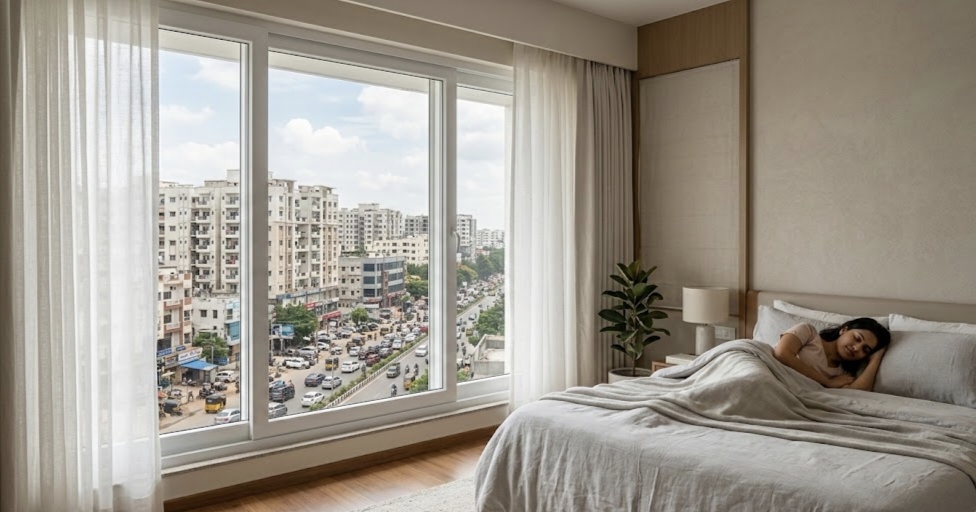
We saw a clear opportunity to bring engineering discipline, standardisation, and accountability into this category. That is what led to the creation of IndiFrame, a company focused not just on supplying products, but on delivering complete fenestration solutions designed specifically for Indian homes and conditions.
What prompted the transition from GreenFortune Windows & Doors to IndiFrame, and how does the new brand reflect your long-term vision for the category?
GreenFortune built strong credibility with builders and institutions over the years. But as we grew, we realised that the expectations of a homeowner buying a finished window system are very different from those of someone buying raw materials.
Homeowners are thinking about comfort, noise, long-term reliability, and service. The purchase is far more emotional and outcome-driven.
IndiFrame was created to reflect that shift. The brand allows us to focus entirely on the end consumer experience, from design and engineering to installation and after-sales service. It represents our long-term vision of building India’s most trusted windows and doors brand, where performance and reliability are non-negotiable.
You emphasise performance over pure aesthetics. What key performance metrics should homeowners and developers be paying attention to today?
A window may look beautiful on day one, but what truly matters is how it performs over the next decade.
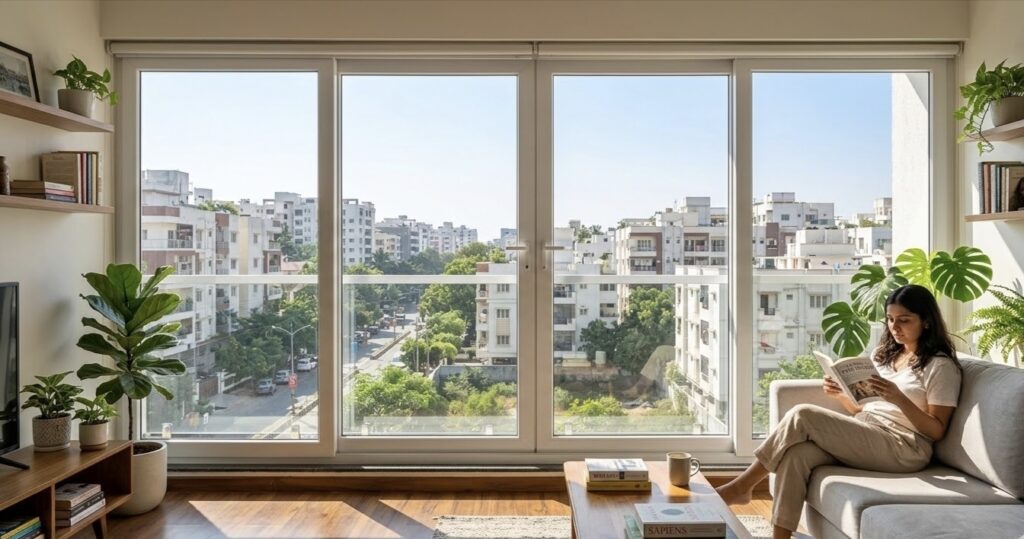
There are a few critical parameters homeowners should pay attention to. Sound insulation is increasingly important in dense urban environments. Air tightness helps prevent dust from entering the home and improves indoor comfort. Water resistance becomes crucial during heavy monsoon conditions, while structural strength ensures the system can withstand wind loads and daily use over many years.
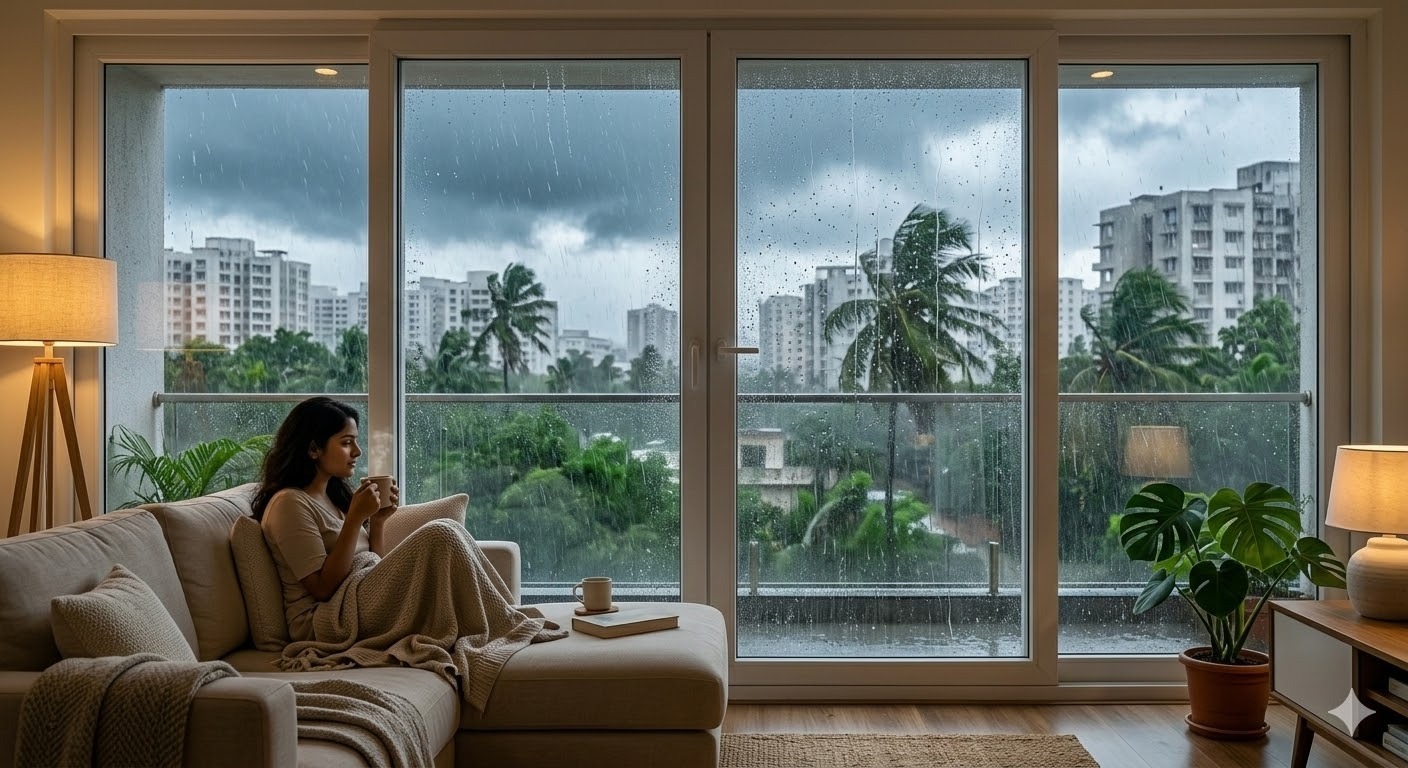
For cities like Mumbai, these performance parameters become even more critical. Between intense monsoon rains, high humidity, and constant urban noise, windows play a major role in maintaining comfort inside the home. This is why homeowners today are beginning to look beyond aesthetics and evaluate how a system performs against sound, wind, rain, and long-term wear.
In India, buildings face intense environmental stress, heat, humidity, dust and heavy rains. Windows and doors need to be engineered to handle these realities, not just designed to look good.
IndiFrame operates as a fully integrated fenestration solutions company. How does owning the value chain improve reliability and execution?
Fenestration is a precision business. Every window is customised to the exact millimetre, and even a small variation can affect installation or performance.
By owning the value chain, from materials and design to manufacturing, installation, and service, we can control quality at every stage. This reduces errors, improves predictability, and ensures that the product performs exactly as promised.
For homeowners and developers, this translates into something very important: peace of mind. They know there is one accountable partner responsible for the entire outcome.
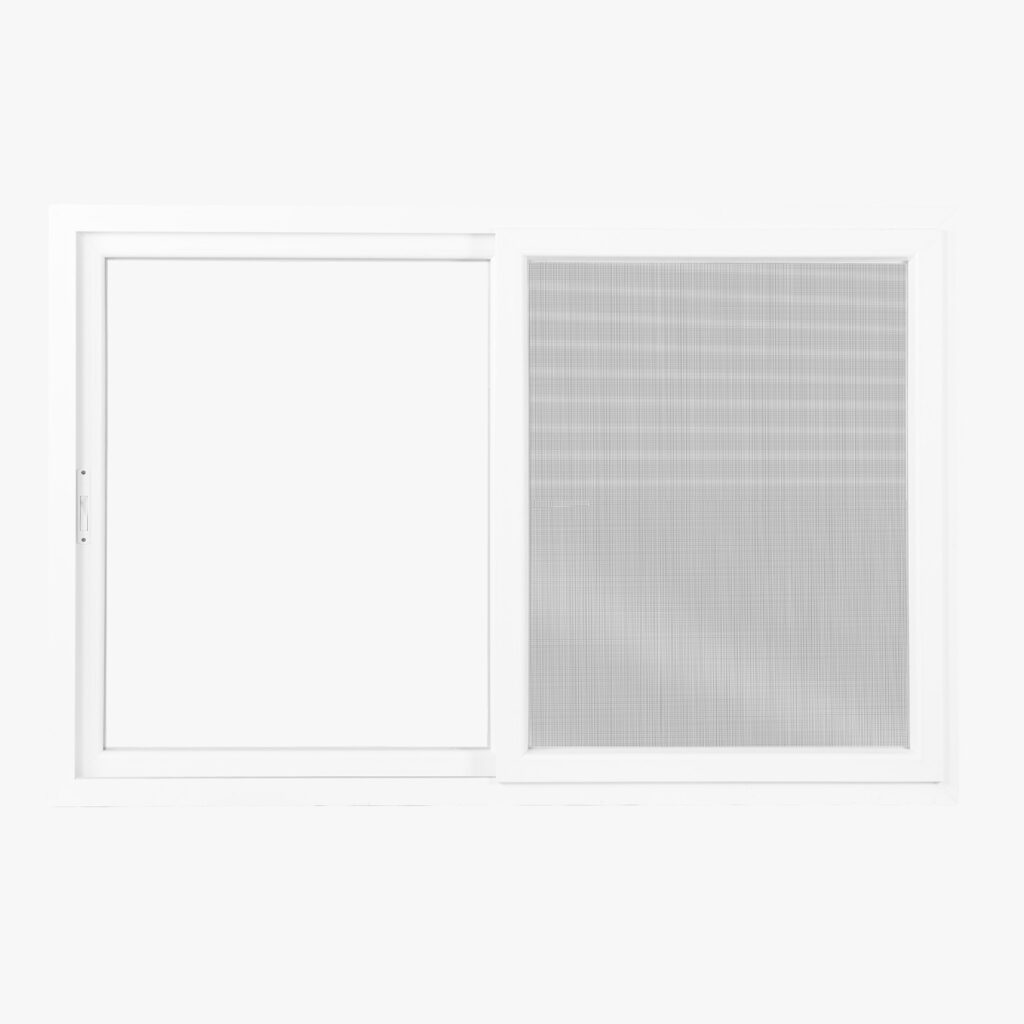
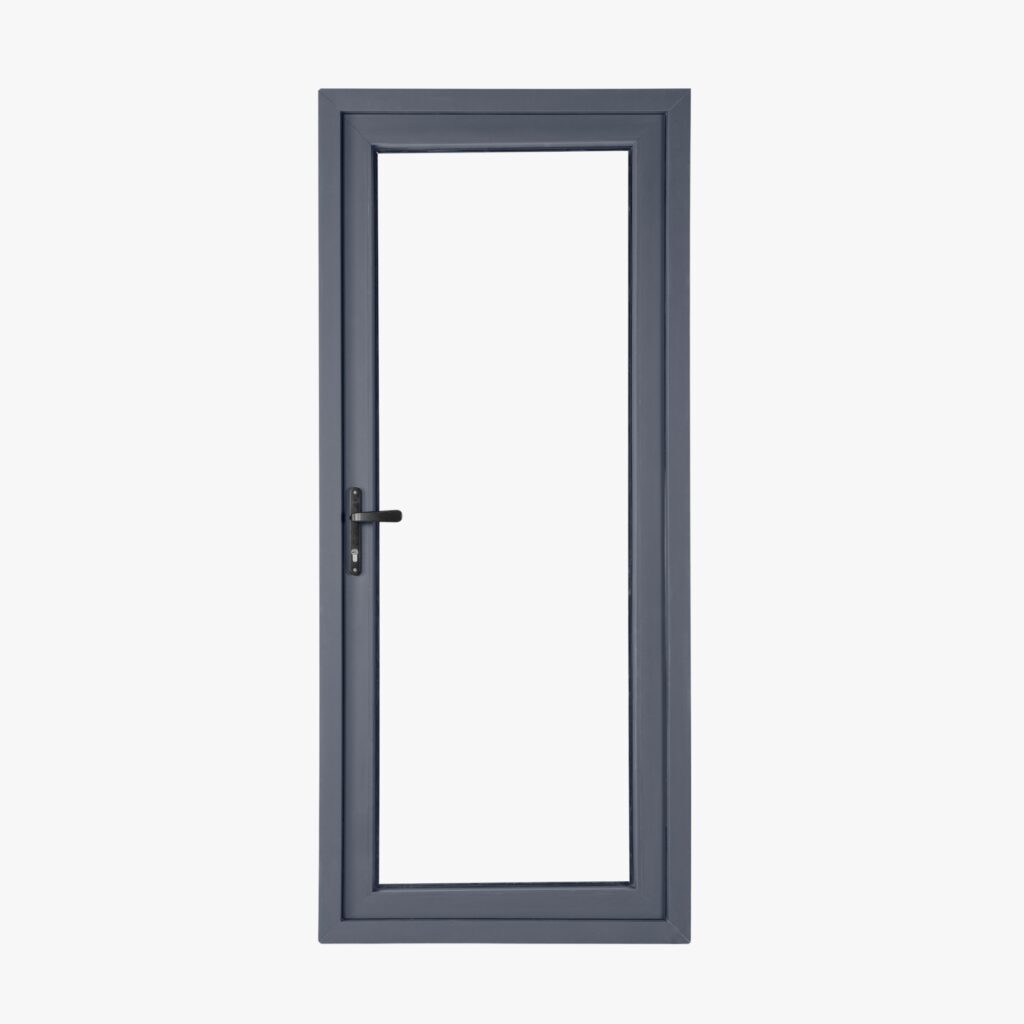
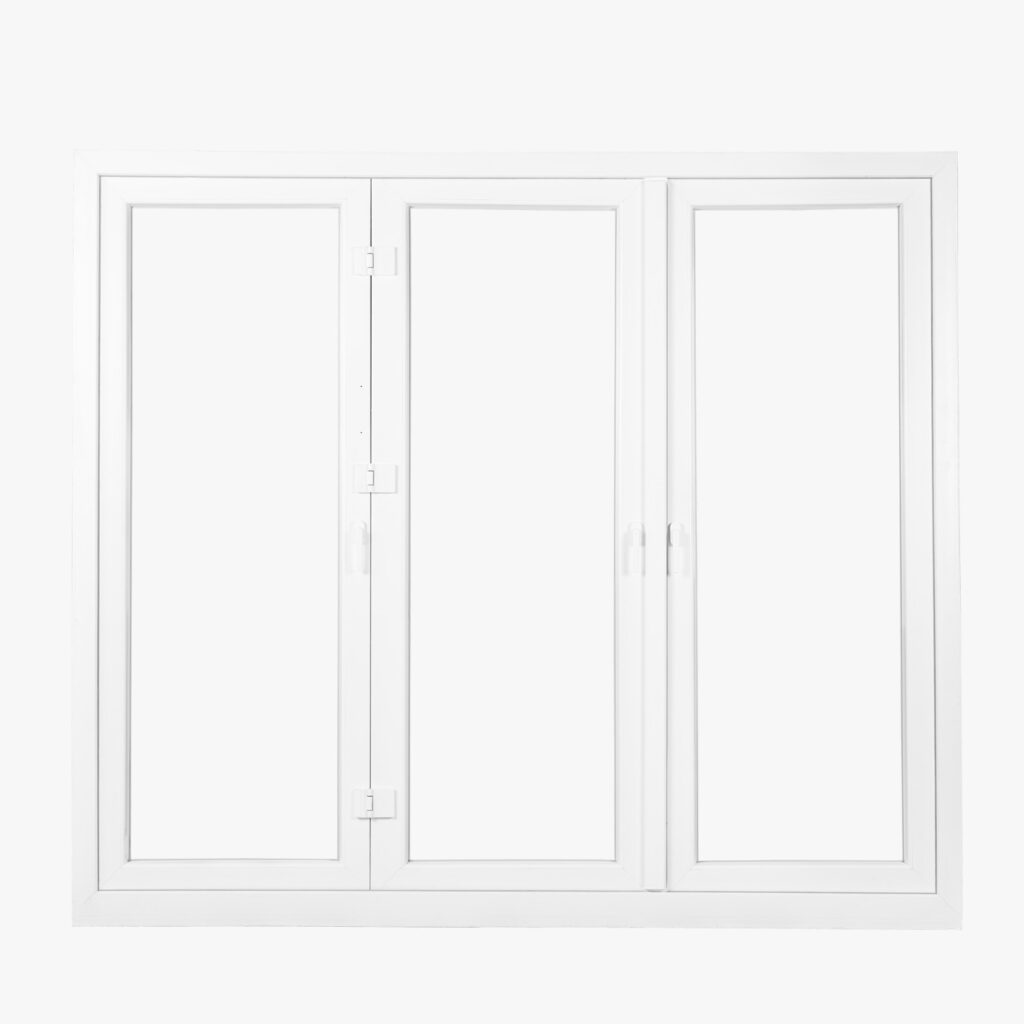
How are windows and doors evolving from basic structural components to elements that influence ventilation, natural light, and indoor comfort?
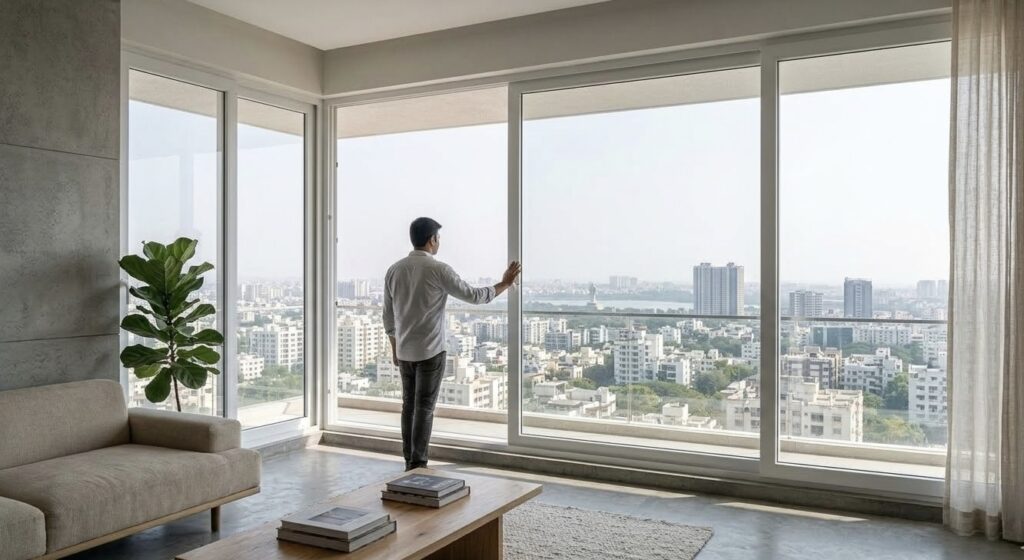
Homes today are being designed far more thoughtfully than before. People are paying greater attention to natural light, airflow, noise control, and energy efficiency.
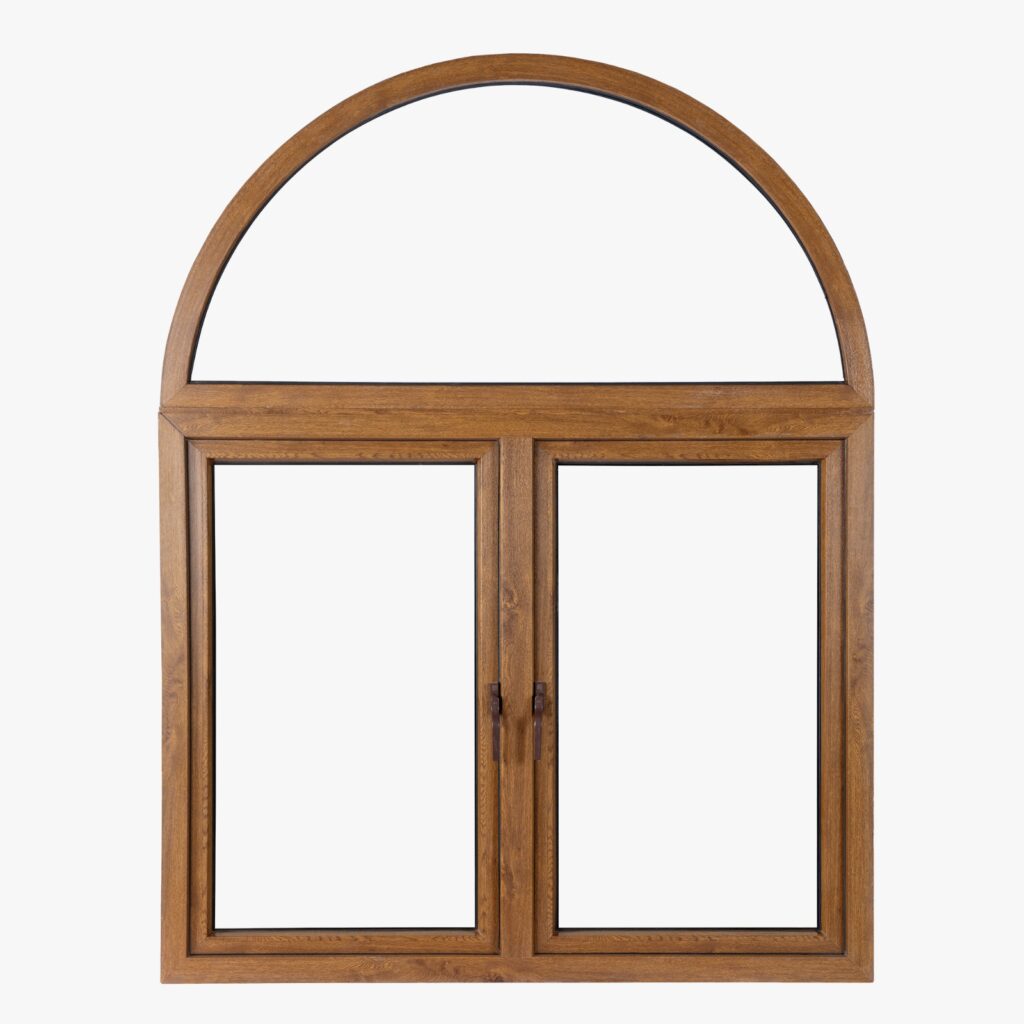
Windows and doors sit at the centre of all these factors. The right system can dramatically improve ventilation, increase daylight penetration, reduce external noise, and create a more comfortable living environment.
In cities like Mumbai, where homes are surrounded by traffic, construction activity, and dense development, the role of windows becomes even more significant. The right system can reduce external noise, improve indoor air quality, and create a noticeably calmer living environment.
In that sense, fenestration is no longer just about closing an opening in a wall, it has become a key contributor to how a home feels and functions every day.
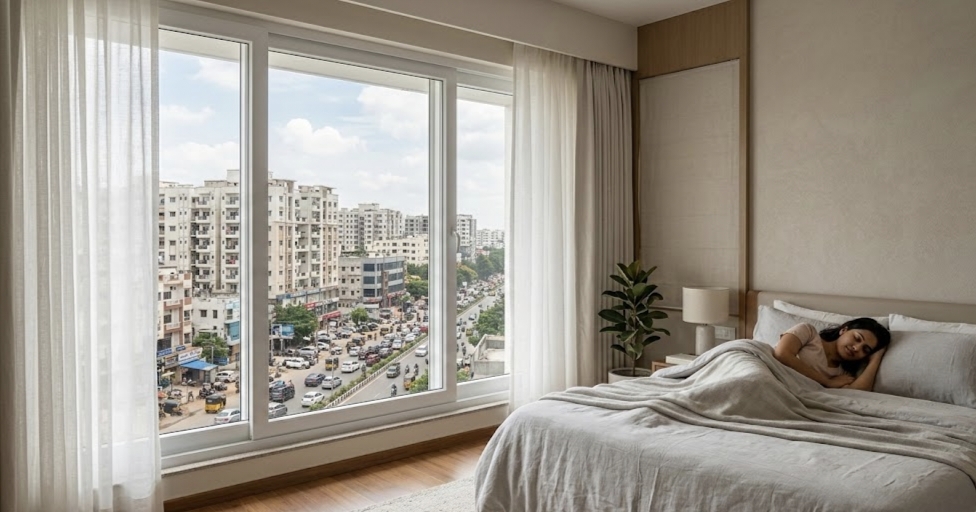
Indiframe is all set to showcase its fenestration solutions designed for coastal and high rainfall climates at iDAC Expo 2026
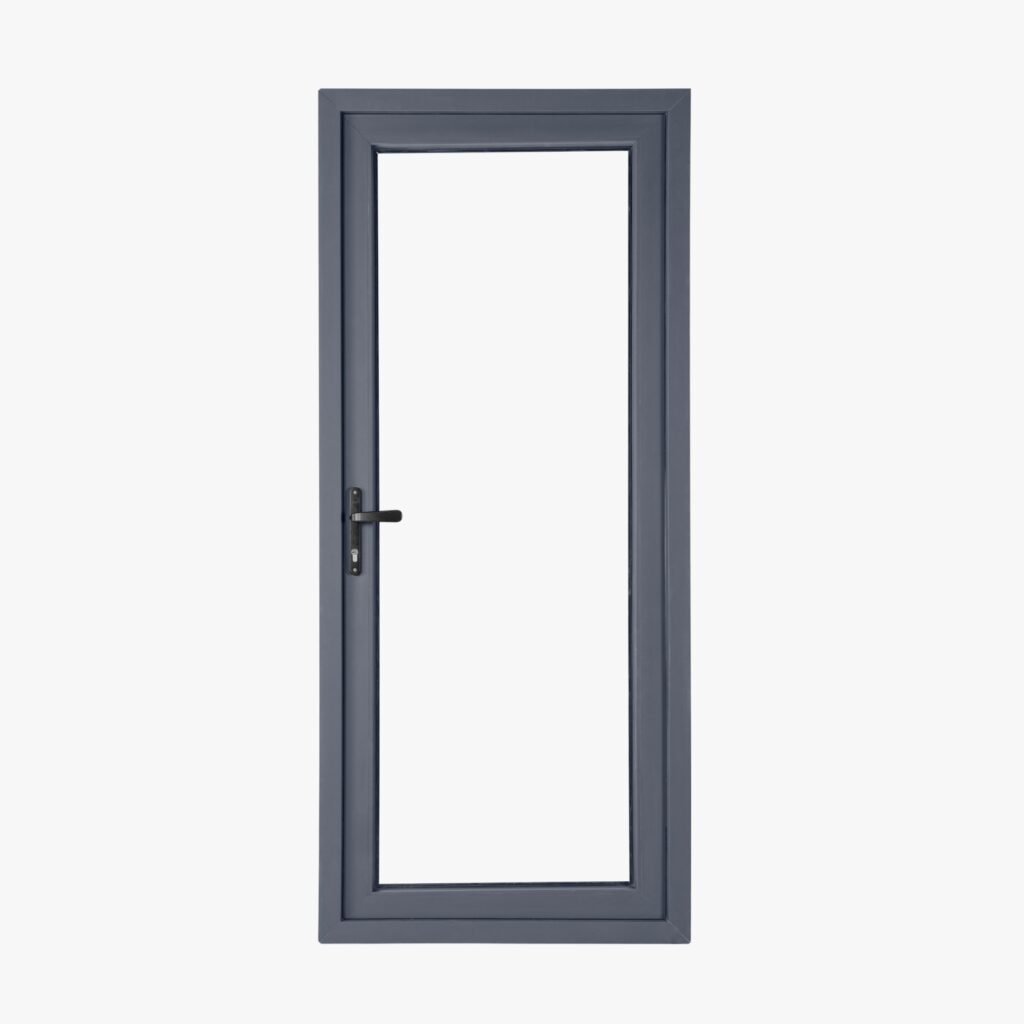
Indiframe, a windows and doors solution brand in the fenestration industry, is all set to participate at iDAC Expo 2026. The company will showcase its range of engineered uPVC window and door systems at the Jio World Convention Centre, Mumbai, from 12-14 March.
Architects, interior designers, developers, and building technology companies are a part of this leading expo. All of them will bring together innovations shaping the future of architecture and construction.
Indiframe will highlight how an engineered fenestration system can address the demands of coastal and high rainfall regions like Maharashtra, particularly cities like Mumbai, where buildings must withstand intense monsoon rains, high humidity, and dense urban environments.
Modern uPVC windows and doors are increasingly being adopted in such climates due to their resistance to moisture, dimensional stability, and ability to maintain long-term performance with relatively low maintenance.
The systems from Indiframe are designed with a strong focus on functional performance, helping address everyday challenges faced in urban homes and buildings, including
- Resistance to moisture and coastal weather conditions
- Improved insulation and indoor comfort in tropical climate
- Sound insulation suited for dense urban environment
- Durable systems designed for long-term use with minimal maintenance
An on-ground demonstration units will also be present to help architects, developers and homeowners to understand these capabilities. This will help visitors real time to understand how windows and doors system will perform across parameters such as sound insulation, air tightness, water resistance, wind pressure, heat management and durability.
For fast-growing urban centres like Mumbai, where residential towers, redevelopment projects, and premium housing developments continue to rise, fenestration is becoming an increasingly important component in improving building efficiency and indoor comfort.
How are digitally driven project workflows helping improve efficiency, transparency, and accuracy in building material execution?
Digital tools are playing a big role in bringing precision and transparency to our projects.
From the early design stage to installation, digital workflows help us manage measurements, specifications, and engineering calculations more accurately. Customers are also able to track project progress and understand exactly what they are receiving.
In a business where each unit is customised and technical specifications are complex, digital processes help reduce errors and improve coordination across teams.
What are some emerging design trends in fenestration that architects and homeowners are increasingly demanding today?
We’re seeing a strong shift towards minimalist and larger openings that maximise natural light and outdoor views.
Architects are increasingly favouring:
- Slimmer frames
- Larger glass surfaces
- Sliding and lift-and-slide systems
- Floor-to-ceiling windows
- Seamless indoor-outdoor transitions
At the same time, homeowners are asking for better acoustic insulation and energy performance, particularly in urban environments. So, the trend today is not just about aesthetics, but about combining design elegance with engineering performance.
Given India’s diverse climatic conditions, how important is climate-responsive engineering when designing windows and door systems?
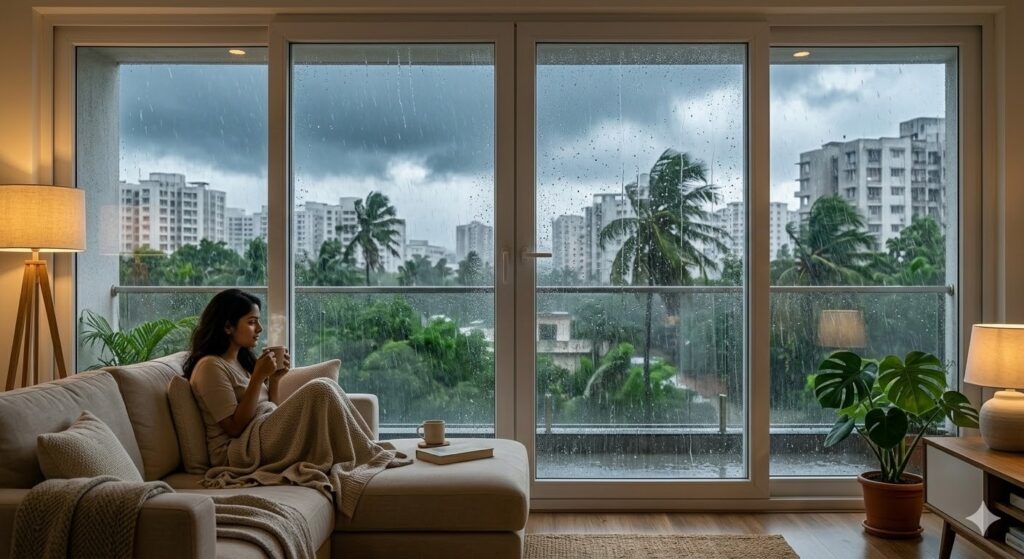
It is extremely important. India experiences a wide range of climatic conditions, intense heat, heavy rainfall, coastal humidity, and dust storms. Windows that perform well in one geography may not necessarily perform the same way in another if they are not engineered with those differences in mind.
Cities along Maharashtra’s coastline, particularly Mumbai, face heavy monsoon rainfall, salt-laden humidity, and strong wind pressures during storms. Window systems used in such environments need higher levels of water tightness, structural stability, and corrosion resistance.
At IndiFrame, our systems are designed keeping India’s diverse climate conditions in mind. Our technical teams go the extra mile to study what works best for each geography. For instance, the grade of hardware or components we use for a coastal city like Mumbai can be very different from what we would recommend for a city like Hyderabad. These decisions are made after taking into account factors such as humidity, rainfall patterns, and environmental exposure, so that the windows continue to perform reliably over the long term.
Climate-responsive engineering ensures that windows are not just aesthetically appealing on day one, but remain durable, comfortable, and dependable across India’s varied living conditions.
Many homeowners still choose windows and doors primarily based on price or appearance. How is IndiFrame working to increase awareness around performance and durability?
This is one of the biggest challenges in the category.
Many homeowners only realise the importance of good windows when they experience problems like water leakage during monsoons, external noise, or dust entering the home.
Our effort is focused on category education. Through content, demonstrations, and consultations, we try to help homeowners understand what actually determines performance and longevity.
Once people see the difference that well-engineered windows make in terms of comfort and maintenance, the conversation naturally shifts from price to long-term value.
How are partnerships with architects, designers, and developers shaping innovation in the fenestration space?
Architects and developers are often the first to push design boundaries. Their projects require solutions that combine structural strength, aesthetics, and long-term performance.
But beyond design, architects also play an important role in shaping awareness in the market. They are often the ones who help educate customers, whether it is a developer or an individual home builder, about why the performance of windows matters and how the right fenestration systems can improve comfort, insulation, durability, and overall living quality in a home.
Working closely with architects and designers also helps us innovate faster. Through these collaborations, we are able to understand emerging design needs, whether it is larger openings, slimmer frames, better insulation, or new material combinations.
At the same time, these partnerships help bridge the gap between global design ideas and practical execution in India, ensuring that what looks beautiful on paper also performs reliably in real-world conditions.
IndiFrame plans to expand beyond uPVC into aluminium, wood, steel, and composite systems. How will this multi-material approach benefit customers?
Different homes and architectural styles require different materials. While uPVC remains a strong choice for insulation, durability, and cost efficiency, materials like aluminium or wood may be preferred in certain architectural contexts or design styles.
Our goal is to offer the right material for the right application, while maintaining consistent performance standards across all systems.
A multi-material approach also makes the process much simpler for customers whether they are large builders or individual homeowners. Instead of working with multiple vendors for different window systems, they can rely on one brand that understands the complete requirement and can deliver consistent quality across materials.
For developers and builders, this means they can focus more on their core priorities like project execution and sales, rather than coordinating with multiple suppliers. For homeowners, it simplifies decision-making and allows them to spend their time and energy on other aspects of building their home, with the confidence that their windows and doors are being handled by a trusted partner.
In that sense, the multi-material approach is not just about offering more options, but about creating a smoother and more reliable experience for the customer.
What role does technology play in IndiFrame’s business and operations?
Technology plays a very important role across our operations, particularly in ensuring precision and consistency.
From design and engineering to project planning and installation, digital tools help us manage measurements, specifications, and execution with far greater accuracy. In a business where every window is customised, even small errors can affect performance, so technology helps us minimise that risk.
We are also exploring the use of automation and AI-driven tools to simplify technical quotations, improve forecasting, and strengthen quality control. Ultimately, technology helps us deliver something extremely important in this category, reliability and predictability for customers.
uPVC is still relatively under-penetrated in India. How do you see the category evolving?
Compared to many global markets, uPVC adoption in India is still at a relatively early stage, which means the category has significant room to grow. In fact, within the broader windows and doors industry, the uPVC segment is widely expected to see one of the highest growth rates in the coming years, as awareness around performance-driven materials continues to increase.
uPVC offers several advantages that are particularly relevant for Indian homes. It provides strong sound insulation in noisy urban environments, excellent water tightness during monsoons, and requires very little maintenance over long periods. It also offers good thermal insulation and, in many cases, a cost advantage compared to aluminium systems.
However, the bigger challenge is still category awareness. Many homeowners are not fully aware of how much windows and doors can impact comfort inside the home.
As awareness grows around performance, durability, and long-term value, we believe uPVC will see much wider adoption across both residential and commercial projects in India.