

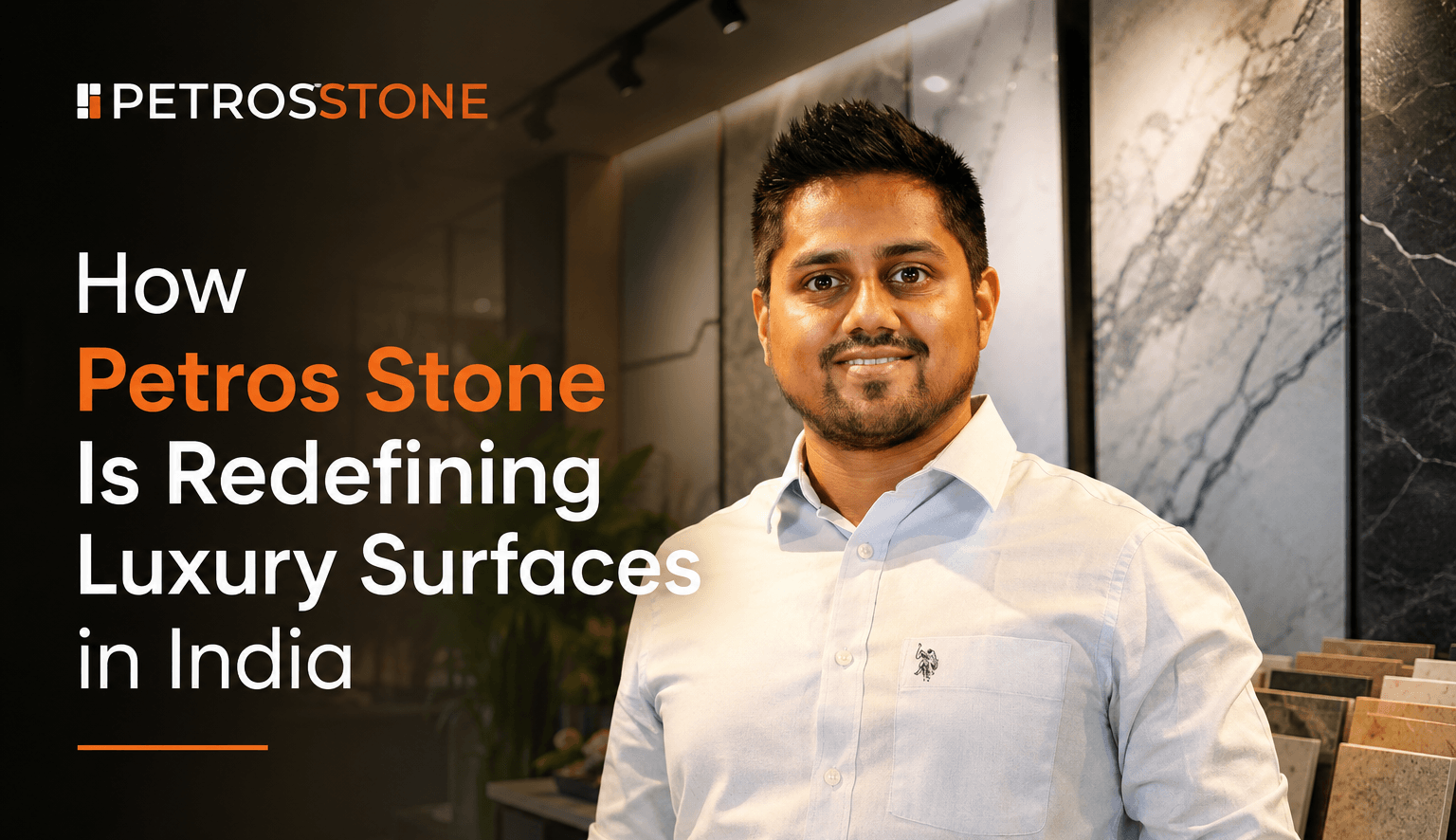




For decades, Indian natural stone has been exported to global markets, yet its potential as a premium luxury material has often been overlooked in India. Petros Stone is looking to change that narrative by combining India’s natural stone heritage with precision manufacturing, advanced fabrication, and globally benchmarked finishing. In an exclusive interview with Bhavna Satsangi from Square Foot Story, Rishabh Jain, Director, International Business, Petros Stone, discusses what homeowners, architects, interior designers and developers should consider when selecting quartz, granite, marble and quartzite. He also threw light on why fabrication quality can be as important as the stone itself, and how technology is changing the way luxury stone surfaces are processed.
Excerpts from the interview….
The conversation offers a closer look at how Indian stone and fabrication expertise can compete in the global luxury market and what it takes to create stone surfaces that are designed not just to look premium, but to perform over time.
Petros Stone was launched after decades of experience in the natural stone business. What market gap did you see that inspired the creation of the Petros brand?
I’ve always loved to travel, and it was on those travels that I first understood the real scale of the gap. Abroad, across Europe and the US, high-quality Indian natural stone was treated as a luxury material. Back home in India, the same stone barely got a second look. We had convinced ourselves that “imported” automatically meant ‘premium,’ while our own stone, quarried a few kilometres from where we sat, was undervalued in our own market.
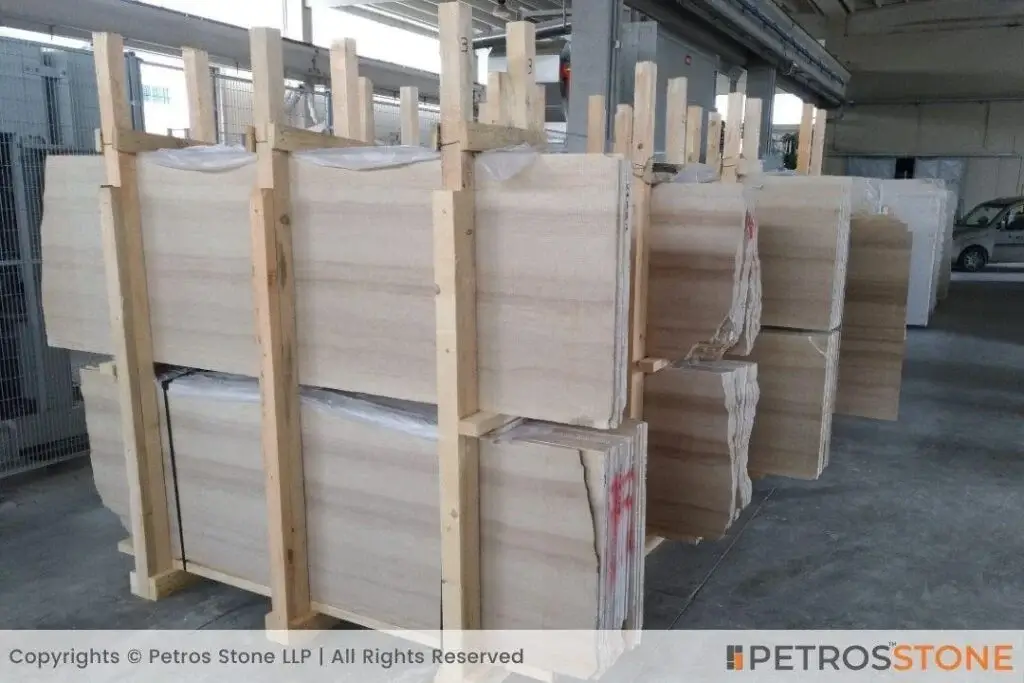
That contradiction is what Petros® was built to close. Indian natural stone has a genuine pedigree, granites like Black Galaxy have been sought after and exported globally for decades, used in landmark developments worldwide. I wanted to build a brand that didn’t just export Indian stone. Still, I exported it as a luxury product, processed, finished, and presented at a level that could stand next to any Italian or European material.
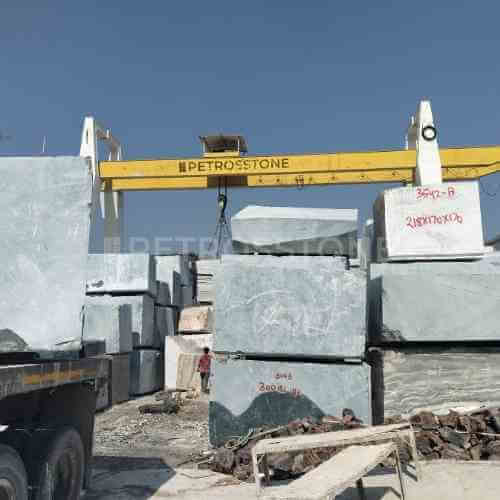
India’s natural stone sector has steadily expanded its global footprint through quality improvements and export-focused manufacturing, supported by initiatives from the Directorate General of Foreign Trade
That ambition is starting to prove itself commercially, too. We’re now approached by international projects to process Italian materials on our lines in India, because we can offer a pricing, logistics, and precision advantage that’s hard to match elsewhere.
Homeowners today often get confused between quartz, granite, marble, quartzite, and other engineered surfaces. How do you help customers choose the right material based on lifestyle rather than just appearance?
I always tell customers to start with how they actually live, not with a sample board. Three questions decide 90% of it:
How hard is your kitchen used?
Heavy daily cooking, high heat exposure, acidic spills (turmeric, lemon, wine) – those point toward quartzite or granite, both of which handle heat and stains far better than marble.
What’s your tolerance for maintenance?
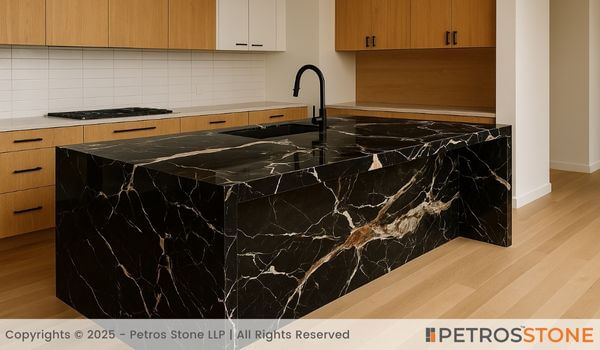
Marble is stunning but porous and reactive; it needs sealing and careful upkeep. If you want a “install and forget it” surface, engineered quartz or a good quartzite wins every time.

What’s the room’s exposure and traffic?
Direct sunlight fades some engineered quartz over time; outdoor or high-traffic zones favour natural stone with proven UV and abrasion resistance.
Once we know the lifestyle profile, aesthetics become the easy part, because at that point we’re choosing within a shortlist of materials that will actually hold up, not choosing on looks alone and hoping the material cooperates.
Kitchens have become the heart of modern homes. What are the biggest mistakes people make while selecting countertops, and what should they evaluate before making a purchase?
The biggest mistake is over-indexing on the material and under-indexing on craftsmanship and precision. You can buy a ₹8–10 lakh quartzite countertop, and if it’s fabricated poorly with mismatched veining at the joints, sloppy edge work, or uneven seams, it will never look or feel like a luxury product.
My advice: set your budget for the whole job, not just the slab. Split it fairly between material quality and fabrication/installation quality. A mid-tier material installed with precision will outperform a premium material installed carelessly, every time.
Petros has invested in advanced manufacturing technologies like Breton polishing systems, automated bridge cutters, and precision edge profiling. How do these technologies translate into better quality and longer-lasting products for customers?
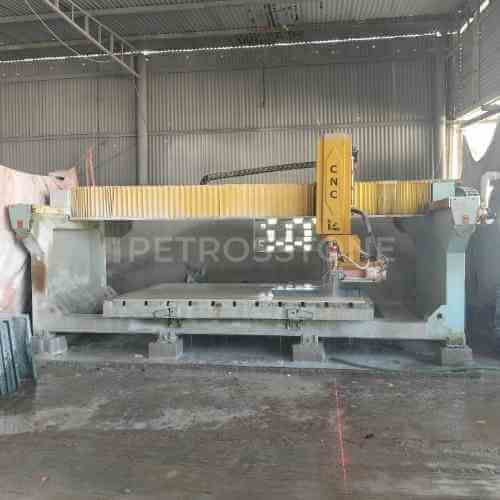
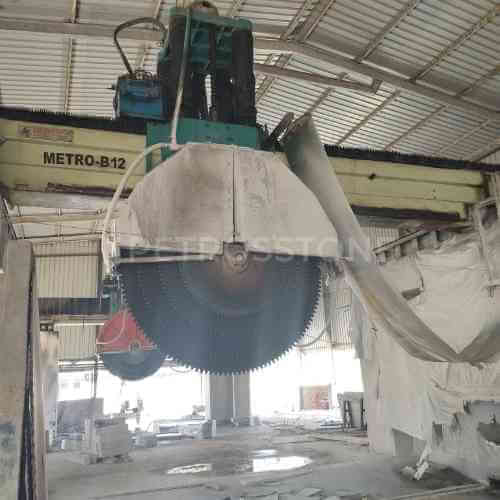
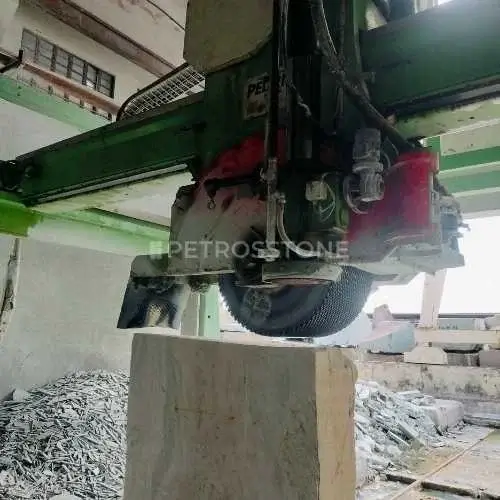

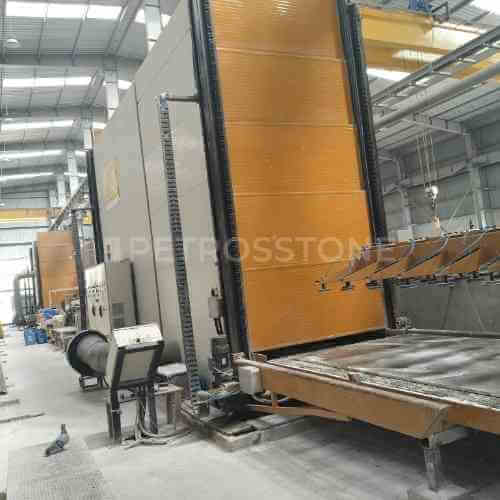
These systems are what let us take on genuinely difficult, precision-critical projects – not just supply materials. A good example: a project asking for 8 cm rounded stone pillars for a mall interior. Work like that has zero tolerance for error; a few millimetres off and you’ve wasted thousands of hours and a significant amount of money re-cutting or re-fitting.
Projects finished and installed to this standard hold up structurally for years, with fewer leakages, less seepage at joints, no premature cracking, and dramatically lower long-term maintenance.
Architects and interior designers today demand customisation, faster delivery, and flawless finishes. How has Petros evolved its product offerings to meet these changing expectations?
Recently, we produced a fully bespoke set of travertine bathtubs and basins, custom-built entirely from architectural drawings and delivered within 40 days. The client relationship is under NDA, but the project was designed in collaboration with Eran Meiri, a well-regarded architect based in Israel.
Meeting timelines like that requires machinery and artisan expertise working in parallel, not machinery replacing craftsmanship. It’s a mindset shift as much as a manufacturing one. People sometimes assume luxury architects and designers are easier to satisfy because budgets are larger in practice, the opposite is true. Their expectations are the highest in the industry, which makes exceeding them equally difficult.
Sustainability has become one of the biggest conversations in construction and interiors. How is Petros balancing premium aesthetics with responsible manufacturing, efficient production and long-term durability?
Sustainability isn’t a marketing layer for us, it shapes what we produce. We convert stone wastage into cobblestones, and we’ve built an entire bespoke product line around slab offcuts that would otherwise go to waste. Our Cristallo White slabs and Breccia Capria blocks generate meaningful cut-off waste in standard processing, so we now turn that waste into bespoke basins and monuments rather than discarding the blocks. It’s a direct way to reduce material loss while creating a genuinely new product category.
Indian consumers are becoming more design-conscious and globally inspired. What countertop colours, textures and finishes do you believe will dominate homes over the next three to five years?
Honed finishes are about to have a real moment in India. I’m already seeing a clear surge in honed, satin, and soft-matte finishes, and I expect that to accelerate, they combine easy maintenance with a classic, understated luxury look that high-gloss finishes can’t offer.
We’ve invested heavily in this space at Petros, developing more than 15 distinct finishes over the years, including some genuinely unique options like our Ziano finish.
Petros serves both domestic and international markets. How do customer preferences differ between India and overseas markets, and what lessons can the Indian market learn from global design trends?
A project that illustrates this well is the New Forensic Science Laboratory of Mauritius, a state-of-the-art facility developed in collaboration between the Governments of India and Mauritius, involving stakeholders operating under the aegis of Mauritius’s Prime Minister’s Office, specifically within the Rodrigues, Outer Islands and Territorial Integrity, and Home Affairs divisions.
Working alongside Indian installation teams and the Mauritian leadership on that project, I saw two very different philosophies collide. Indian installers commonly estimate the job, then build in a large buffer to absorb on-site adjustments, a “figure it out as we go” approach. The Mauritian approach was the opposite: design everything in CAD down to the last screw, keep the buffer small, and execute with precision from day one. It was genuinely striking to see how much more efficient the second approach was, less wasted material, less wasted time, and a cleaner result.
It’s a lesson I’d like to see the Indian market absorb more broadly: precision planned beats a large contingency buffer used to fix problems after the fact.
For builders and developers working on premium residential projects, how important is the quality of stone surfaces in enhancing long-term property value and customer satisfaction?
Honestly, less than the marketing around it suggests. There’s a lot of noise about proprietary finishing technologies and “lifetime” durability claims, but what most Indian homeowners and builders are actually buying is marble treated with a high percentage of resin via impregnation technology. Even with a good machine and high-quality resin, that resin will eventually break down; cracks and weakness appear over time, regardless of which technology was used to apply it.
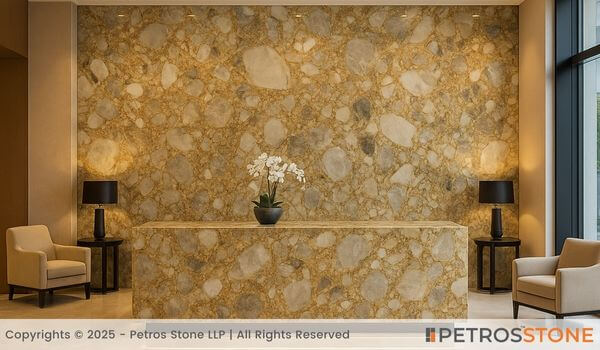
Melamine polish holds up better over the long run, and it’s what luxury five-star hotels typically specify. I’d like to see more of that standard adopted in Indian residential projects. The truth is that most buyers forget which marble or finish was used within a few years of purchase until the day it starts to fail. Long-term satisfaction comes down to setting the right expectations upfront, using quality machines and epoxy/resin systems, and planning for maintenance rather than assuming none will be needed.
Finally, where do you see Petros Stone in the next five years? Beyond products, what legacy do you hope the company creates for India’s natural stone and engineered surface industry?
We see ourselves moving further into true luxury, not just putting Indian stone on the map, but Indian processing and fabrication expertise. That includes working more with materials like Turkish travertine and Italian Carrara and Calacatta marble, competing directly for a place among the top tier of luxury projects globally, not just as a stone supplier but as a fabrication partner.
From SFS Desk:
https://squarefootstory.com/redefining-luxury-the-shift-to-timeless-experience-led-living-in-premium-homes/