



Gone are the days when grandiose spaces, ornate decor, and extravagant finishes defined homes. Today, homebuyers are making more conscious choices, looking for homes that reflect a sense of authenticity, functionality, material quality, and timeless design. As lifestyles evolve and awareness of sustainability and long-term value increases, premium housing is witnessing a significant shift from access to intentionality.
Homebuyers today have become smarter and more conscious of a sustainable, minimal living style. Natural finishes, thoughtful craftsmanship, understated interiors, and refined minimalism are emerging as the defining characteristics of modern luxury.
New definition of Luxury
Luxury is not about grand spaces, over-the-top interiors, or big chandeliers, it is more about how well your home is designed and built. Homebuyers are prioritising quality over quantity, looking for spaces that offer meaningful experiences rather than superficial grandeur.
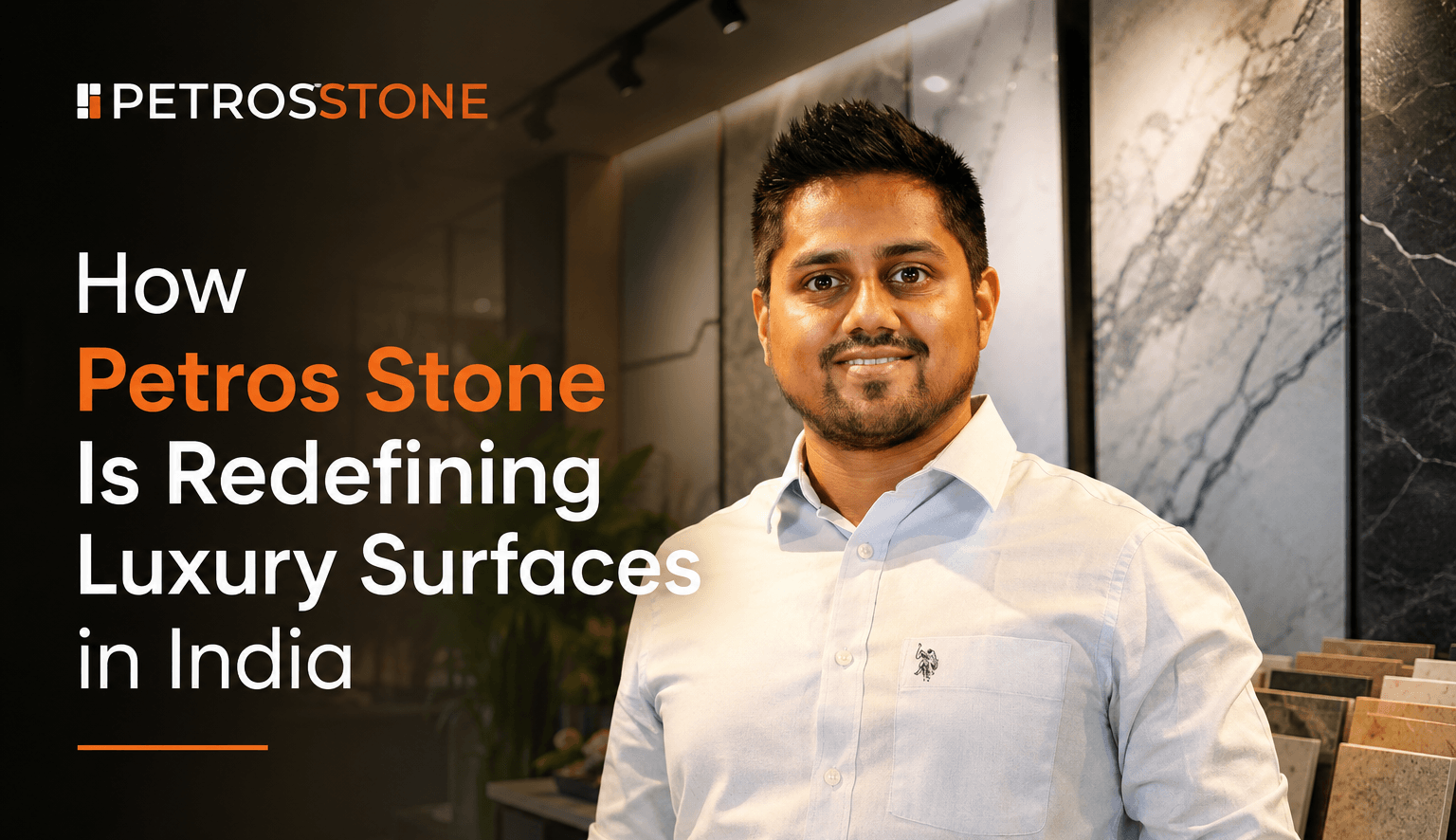
As Grellow Space observes, “The definition of luxury is changing. Today’s premium homes are no longer shaped by excess, but by the quality of materials, the skill behind every detail, and a more refined approach to design. Natural finishes, thoughtful craftsmanship, and understated interiors create spaces that feel warm, timeless, and built to last. It’s a quieter form of luxury, one that values authenticity over showmanship.”
This shift reflects a broader culture towards mindful consumption. People are choosing more understated home designs not just to impress but to live in a functional house that is timeless.
Material Quality is the King
The growing emphasis on material quality is taking centre stage in most premium housing today. Construction standards, finishes, and the long-term durability of the investments of the homebuyers are important.
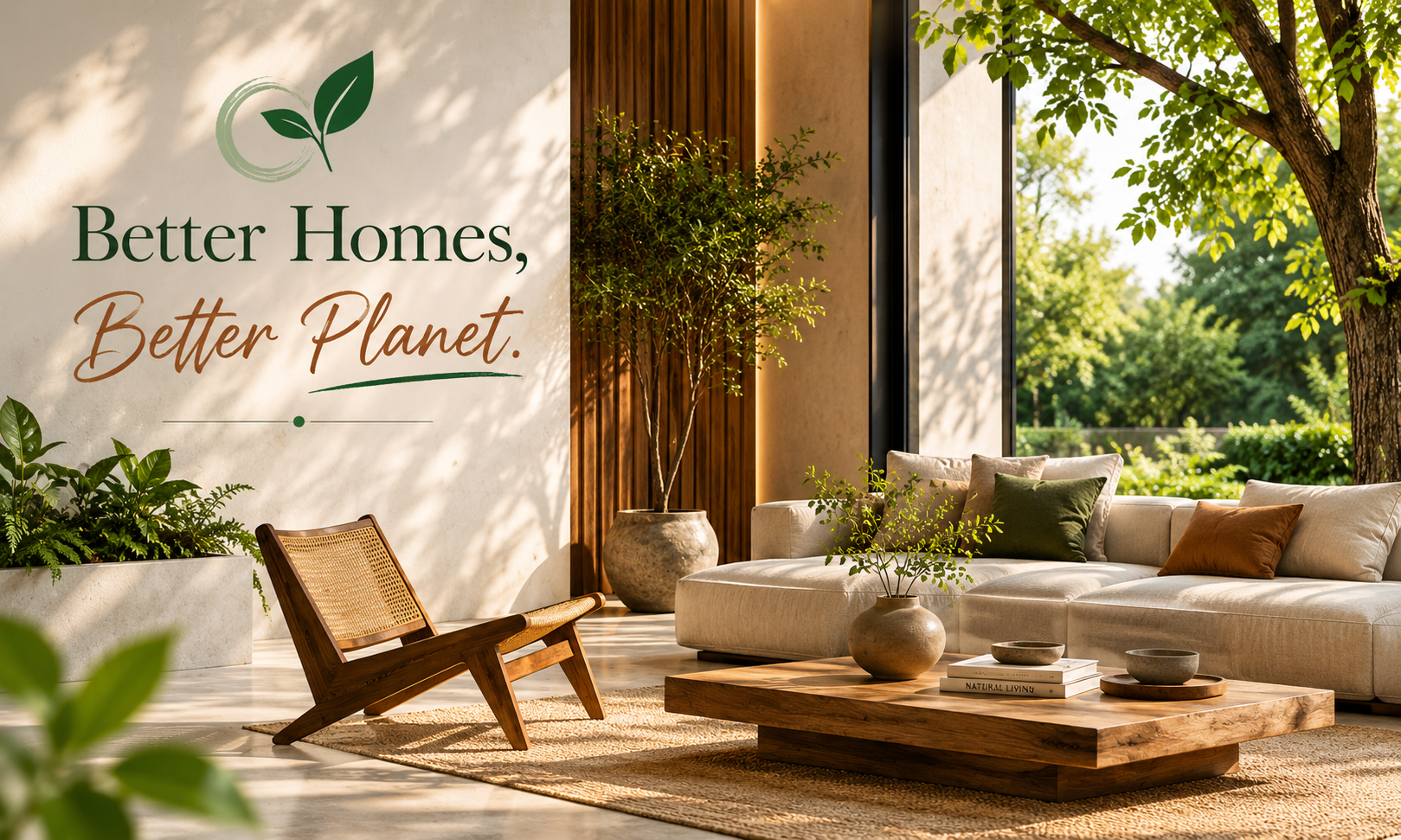
Natural stone, engineered wood, textured surfaces, sustainable materials, and handcrafted finishes are increasingly replacing flashy but short-lived design elements. These materials not only enhance aesthetic appeal but also improve the longevity and performance of a home.
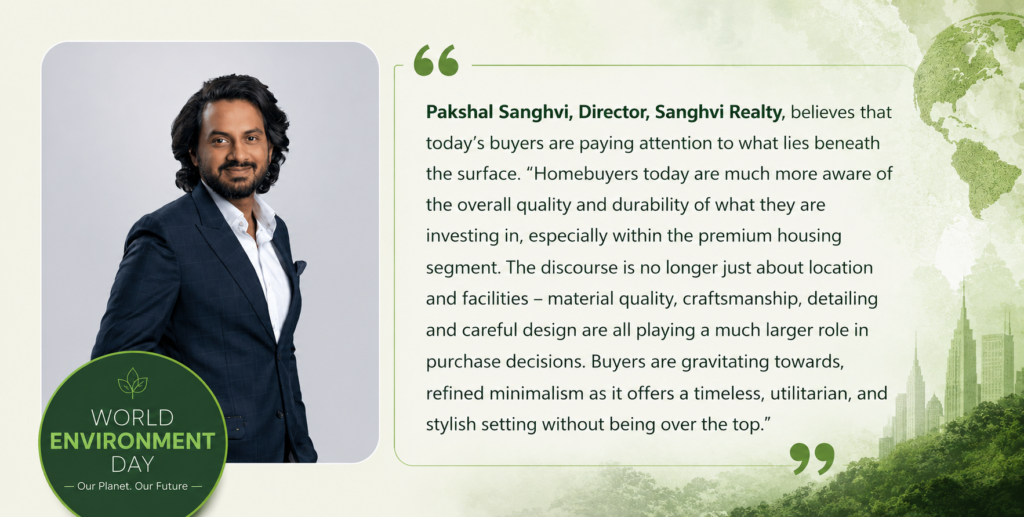
He further adds, “There is also an increasing awareness of homes that are built for practicality and durability, especially in urban areas such as Mumbai, where space optimisation is a huge consideration. Today, premium living is not about high-gloss finishes, but understated elegance, efficient layouts, quality finishes, and places that are relevant for years to come rather than trends in design for the moment. “This is a sign of a more sophisticated and evolved homebuyer mentality, with an emphasis on long-term lifestyle value.”
Skilled craftsmanship as a marker of value
Another differentiator in the premium housing, alongside the material, is the craftsmanship. It is emerging as the critical differentiator in the premium housing segment. From bespoke woodwork and custom detailing to carefully executed layouts and finishing touches, craftsmanship brings character and individuality to a home.
Skilled craftsmanship is the need of the hour. Mass-produced design trends are no longer in demand. Today, a homebuyer needs spaces with authenticity and depth. They look for the overall living experience from joinery and lighting integration to furniture finishes and architectural elements.
In metros like Delhi, Mumbai, and Bengaluru, the popularity of refined minimalism is closely linked to the efficient use of space. With property pricing soaring and land becoming scarce, homeowners are seeking residences that maximise every square foot without compromising comfort or aesthetics.
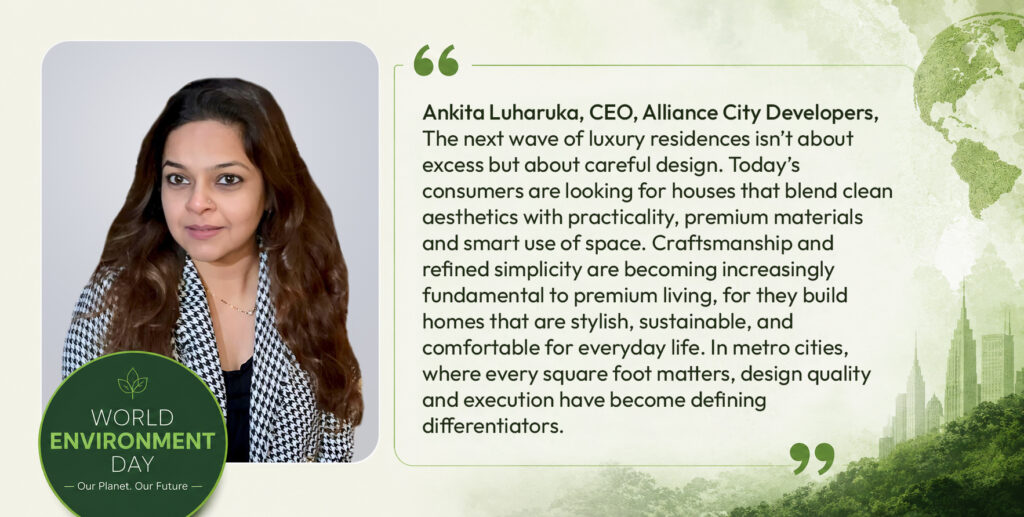
Industry experts note that buyers increasingly recognise the value of precision and attention to detail, understanding that true luxury often lies in what is subtle rather than obvious.
Refined minimalism- the centre of modern home design
Minimalism is taking centre stage in modern home design today. It has evolved significantly over the past decade. Minimalism is no longer about stark spaces or a lack of personality; instead, it focuses on creating calm, functional environments that balance beauty with practicality.
Clean lines, uncluttered layouts, muted palettes, and purposeful design choices define this aesthetic. Every element serves a function while contributing to a cohesive visual narrative. For homebuyers who are looking for premium living, this approach offers many advantages.
Homebuyers look for minimalism because it provides a timeless, utilitarian and stylish setting without being over the top. The appeal lies in its longevity. Unlike trend-driven designs that can quickly feel dated, minimalist interiors remain relevant and sophisticated over time.
Sustainability is the key to influencing buyers
Sustainability concerns are the prime concern for today’s buyers, and hence, the demand for high-quality material and minimalist design is also increasing. Consumers are also aware that durable products and timeless design reduce waste and require fewer replacements over time. Rather than following short-term design trends, homeowners are investing in elements that continue to perform and look appealing for years.
It aligns with the concept of buying better than buying more. This move influences everything from architecture to interiors to home appliances and furnishings. Homes designed with longevity not only deliver greater value but also support a more responsible pattern of consumption.
New luxury, invisible sophistication
Superior air quality, thoughtful lighting designs, acoustic comfort, seamless technology integration, and products that quietly enhance everyday living are found in the luxury home details. These details seamlessly enhance everyday living.
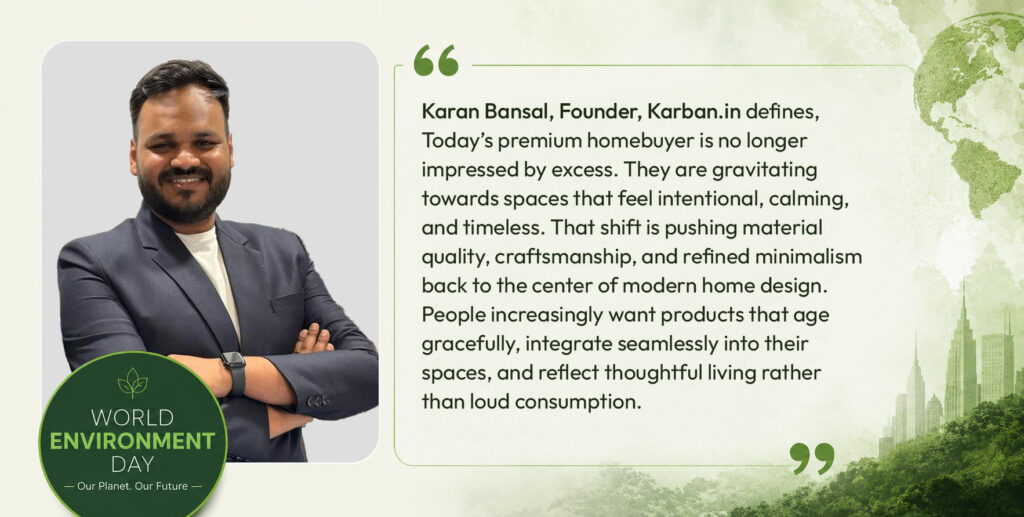
Minimalism is also evolving beyond aesthetics into a marker of trust and quality. In premium homes, consumers are paying closer attention to tactile experience, longevity, detailing, and how thoughtfully a product blends into everyday life. The next generation of luxury will be defined less by visual opulence and more by restraint, material honesty and invisible sophistication.
Mature premium housing market
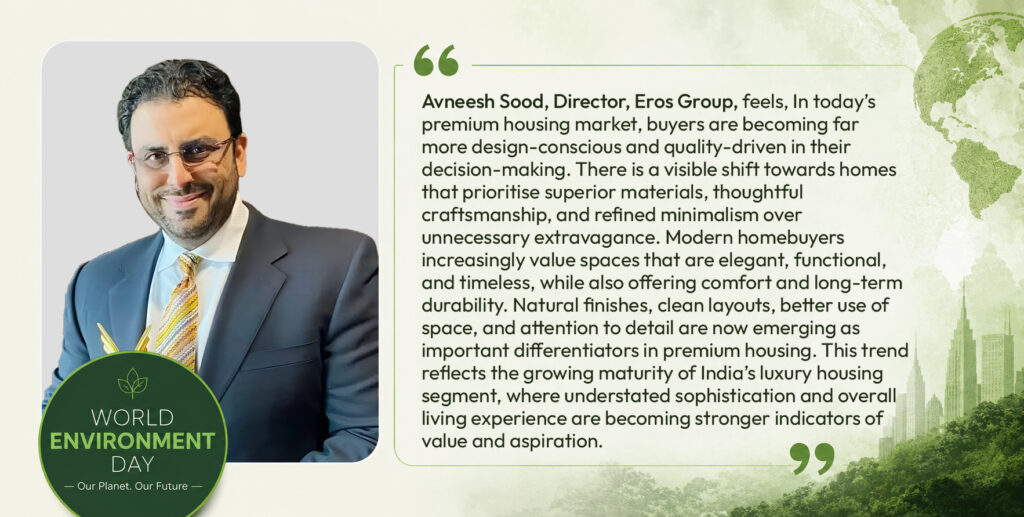
India is moving towards a more mature premium housing market, and so are the buyers’ preferences. Consumers are becoming more discerning, evaluating properties through a more holistic lens that includes design quality, construction standards, usability and long-term value.
Conclusion
The future of premium housing is now shaped by the new generation of buyers who are more inclined towards sustainable living, minimalistic designs, and long-term value. Skilled craftsmanship, material quality, and intelligent design are no longer a niche preference but a foundation of modern luxury.
As homebuyers’ expectations continue to evolve and preferences change, architects and interior designers all need to focus less on creating visual impact and more on delivering durable homes.

External Links:
https://squarefootstory.com/dakhin-dilli-a-journey-of-sacred-art-from-north-to-south-india/

2 Comments
Chetna
June 5, 2026Gain Insights into the changing homebuying preferences of Jaipur’s next generation and discover why lifestyle is becoming a bigger consideration. Checkout Sectors in Gurgaon Thank you
Square Foot Story
June 5, 2026Thanks a lot for your gesture. We will surely work on it. You can please share your mail id and contact number. We will get in touch with you.