





Intro: When a Designer Decides to Make the Furniture Herself: A conversation with Aparna Patodia, founder of The LookBook Co.
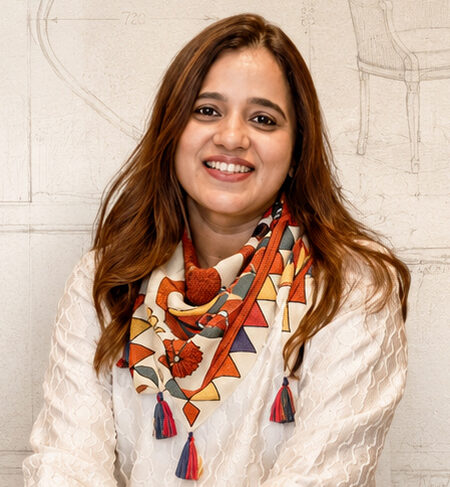
There are designers who curate. And then there are designers who build.
Aparna Patodia, the woman behind
The LookBook Co. belongs firmly in the second camp — and the story of how she got there is as layered as the textures she loves to work with.
Eighteen years. One recurring frustration.
After nearly two decades as an interior designer, Aparna found herself returning to the same problem again and again: finding the right vendor for a single piece of furniture was next to impossible. Most manufacturers simply weren’t interested unless you were commissioning an entire space. That gap — between what a client needed and what the market was willing to offer — planted a seed.
“Even if you come to me for a single chair,” she says, “I will sit with you, understand all your needs, discuss how the piece fits into your home and the kind of story it tells.”
That philosophy became the founding principle of The LookBook Co. — a studio where no request is too small and no brief goes unexplored.
A dream that survived a detour
What makes Aparna’s story particularly compelling is that this isn’t her first act in furniture. Twenty-five years ago, in her hometown of Indore, she ran what was reportedly the city’s first wrought iron furniture studio. It found an audience quickly — in two years, her work had spread across the city. Then life intervened. She got married, moved to Delhi, and left the studio behind.
But she never left the idea behind.
Starting again in a metro market, after so many years, with full awareness of the competition — that takes a certain kind of resolve. She describes it as “exciting” rather than daunting. Every new piece, she points out, is genuinely new — since the studio does no duplicates, there’s always something to figure out, always something to learn.
What she’s making — and why it looks the way it does
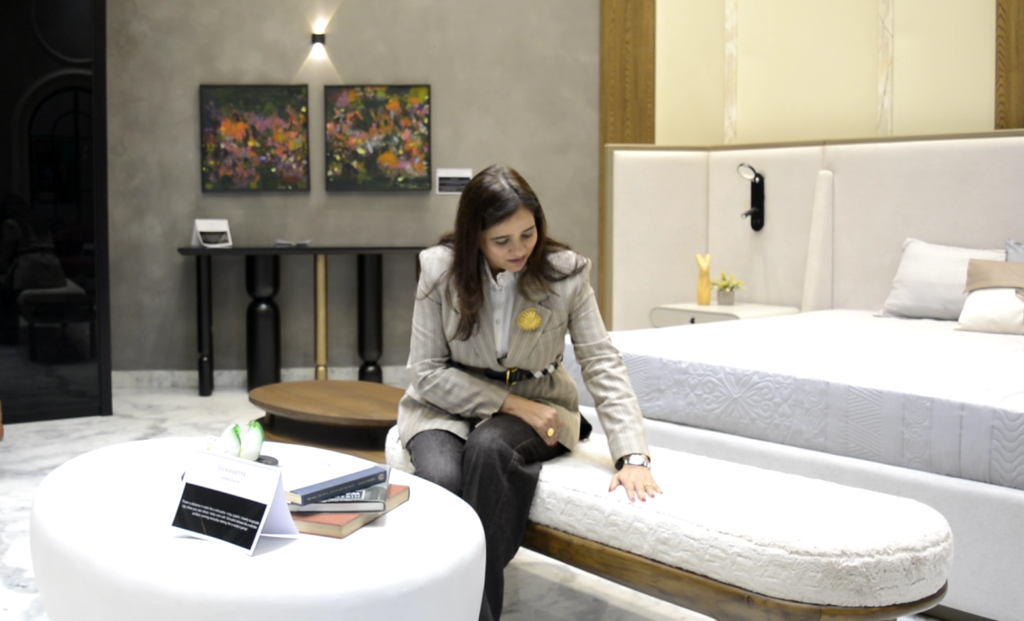
Walk into The LookBook Co. showcase, and you’ll encounter the full range of what Aparna means by “craft-led” design.
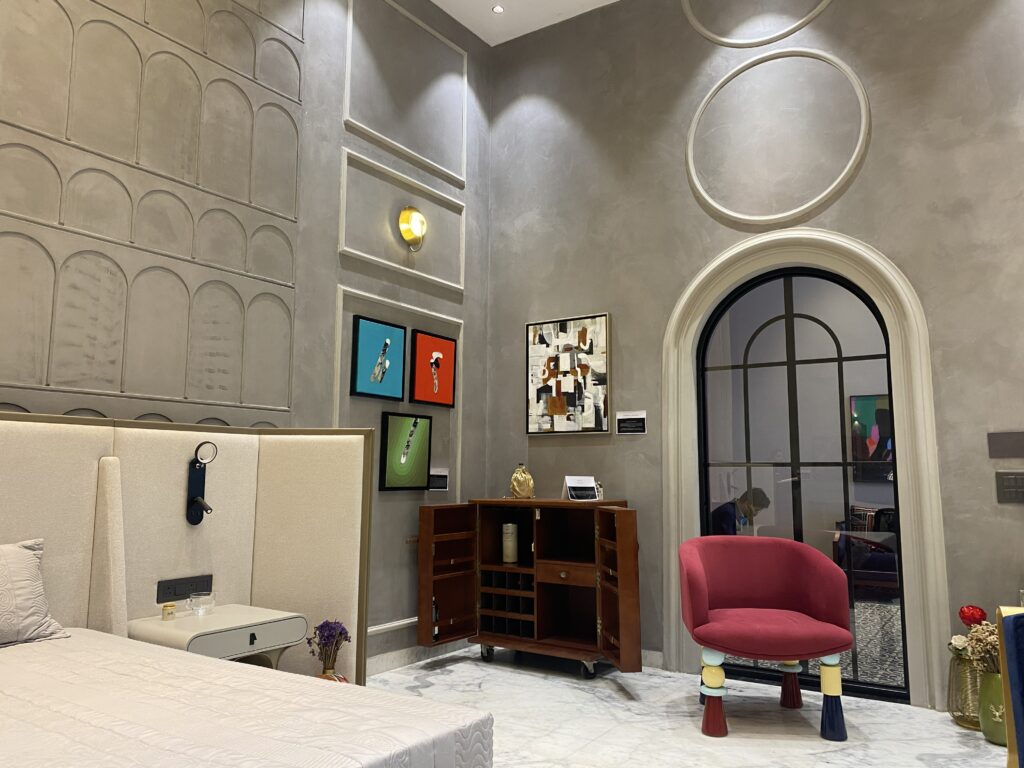
There’s a concrete-finish coffee table — waterproof, weather-resistant, as at home on a balcony as in a living room — that went through “lots and lots” of iterations before landing here. There’s teak furniture that celebrates the wood’s natural willingness to bend and curve. There are circus chairs where each leg is deliberately different. There is a striking metal chair with a free-form back — born from an internet reference, nearly abandoned when the metalwork refused to cooperate, and finally brought to life through precise collaboration between a metal fabricator, an upholstery team, and a carpenter. It is, as she puts it, “not just stunning but comfortable.”
The through-line across all of it is texture and contrast. Aparna doesn’t want furniture that looks flat or done. She wants pieces that make you look twice — a subtle metal stud here, a gold accent there, two or three materials playing off each other in a single form.
“I love incorporating two or three things in one piece so that if a person is even viewing it, it stands out,” she says.
Aparna Patodia’s advice for the 2 BHK buyer
For homeowners navigating smaller urban spaces, Aparna’s counsel is practical without being prescriptive. Don’t overscale. Don’t chase trends. Don’t let every room mirror the next.
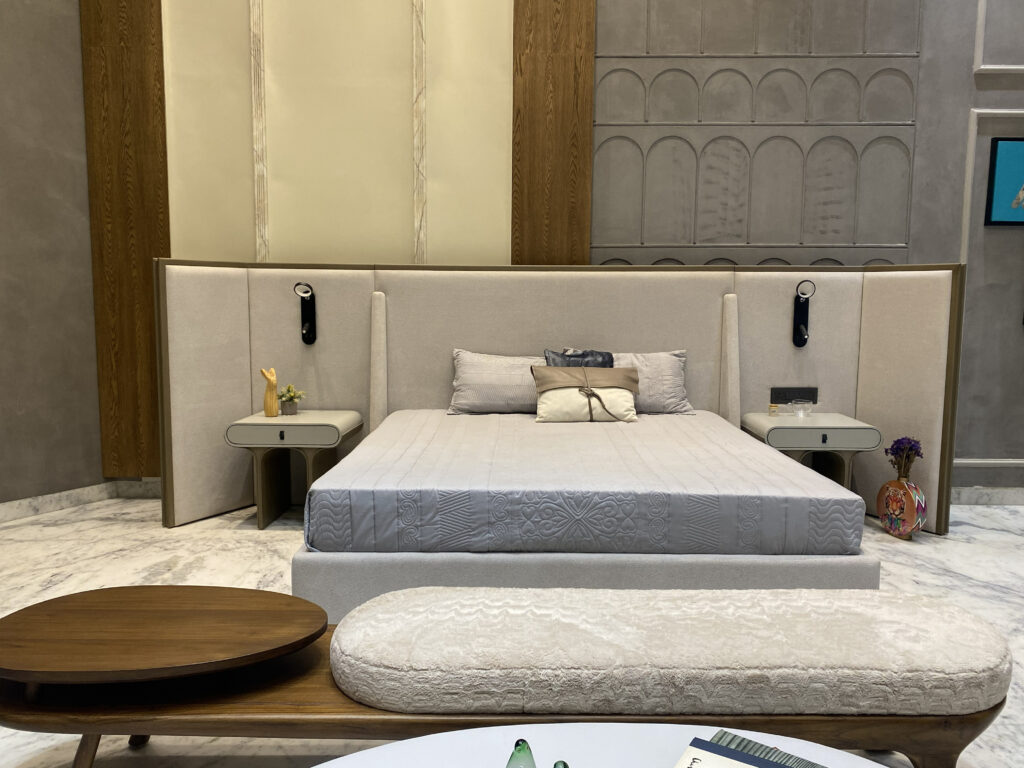
Keep the living room functional and low-maintenance — but don’t make it boring. If your palette is muted, let the materials do the talking. Bring in colour through furniture, paintings, or linen. And don’t be afraid of one piece that creates drama — a statement chair in an otherwise quiet room can become the conversation-starter that the whole space was waiting for.
People who make it possible at The LookBook Co.
Aparna is direct about one thing: the furniture doesn’t exist without the people who make it. Skilled labour, she says, is non-negotiable. You can have the vision, but if you can’t translate it through craft, it stays in your head.
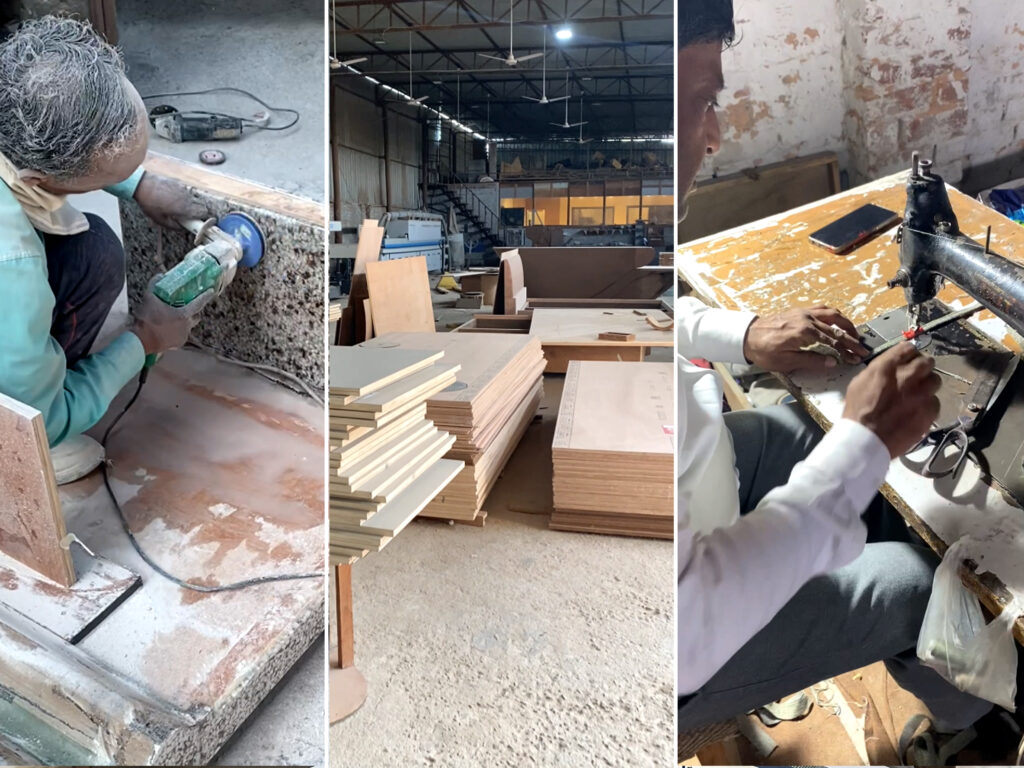
Her studio works collaboratively — with clients, designers, and architects — taking on everything from a single bespoke piece to a full project build. The model is intentionally flexible, because she knows from experience that good design rarely arrives in a neat, predictable package.
Mass production vs. meaning
In a market flooded with replicated forms and fast furniture, The LookBook Co. is making a quiet but firm argument for the opposite. For Aparna, furniture is not a product category. It is a material record of who you are and how you live — something that should sit with you for a long time, not just for a season.
“I am blessed to be doing something I am passionate about,” she says. “For me, coming to work is like a breath of fresh air.”
That feeling, it turns out, is exactly what she’s trying to put into every piece she makes.
The LookBook Co. works on bespoke furniture commissions — single pieces to full projects — for residential and commercial clients across Delhi NCR.
Check out her creations on Instagram: https://www.instagram.com/thelookbook_co/