
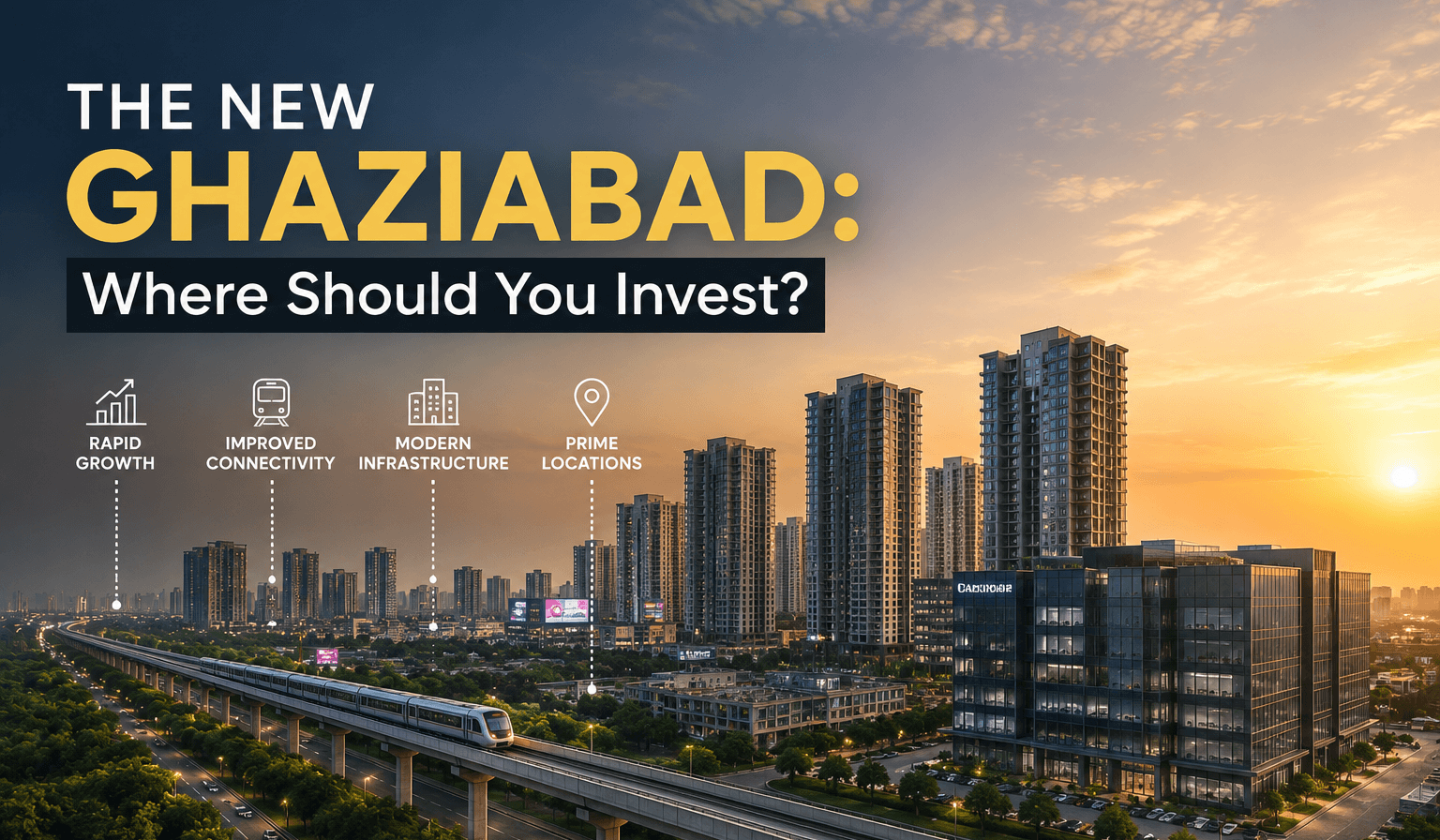

For years, Ghaziabad stood in the shadows of Delhi, Gurugram, and Noida. Today, it is quietly becoming one of NCR’s most compelling real estate stories. Infrastructure is reshaping mobility, developers are redefining luxury, and homebuyers are discovering a city that offers increasingly rare space, connectivity, and value in one destination.
Once upon a time, Ghaziabad was the Alternative. If someone had asked a homebuyer five years ago where they would invest ₹1 crore in NCR, Ghaziabad would rarely have featured among the first choices.
The conversation almost always revolved around Gurugram for luxury, Noida for modern infrastructure, and South Delhi for prestige. Ghaziabad, despite its strategic location, was largely viewed as the city’s affordable extension, a market driven by budget housing and first-time buyers. That perception is changing faster than most people realise.
Today, the same city is witnessing premium residential launches, large-scale infrastructure investments, airport-linked development, expressway connectivity, and growing interest from both developers and investors. Areas such as Wave City, Raj Nagar Extension, Siddharth Vihar, NH-24, and Vasundhara are evolving into self-sustained residential ecosystems rather than mere suburban extensions.

The transformation is not being driven by marketing campaigns. It is being driven by infrastructure, urban planning, and a shift in buyer aspirations. As land prices in Delhi, Gurugram, and prime Noida continue to rise, buyers are increasingly looking for destinations where they can still purchase larger homes without compromising on connectivity or lifestyle.
Ghaziabad is emerging as one of those destinations.
The Numbers Tell a Different Story
For years, Ghaziabad’s biggest advantage was affordability. Today, affordability is only one part of the equation.
The city is experiencing:
- Significant infrastructure-led appreciation across key corridors
- Growing demand for premium and luxury housing
- Increased participation by established NCR developers
- Better road, metro and regional connectivity
- Rising commercial activity around transport infrastructure
- Larger integrated townships with lifestyle amenities
Unlike the earlier phase of development, where housing supply often outpaced social infrastructure, today’s growth is more balanced. Schools, hospitals, retail centres, entertainment zones and business hubs are expanding alongside residential development, creating complete neighbourhoods rather than isolated housing clusters.
The Evolution of Ghaziabad
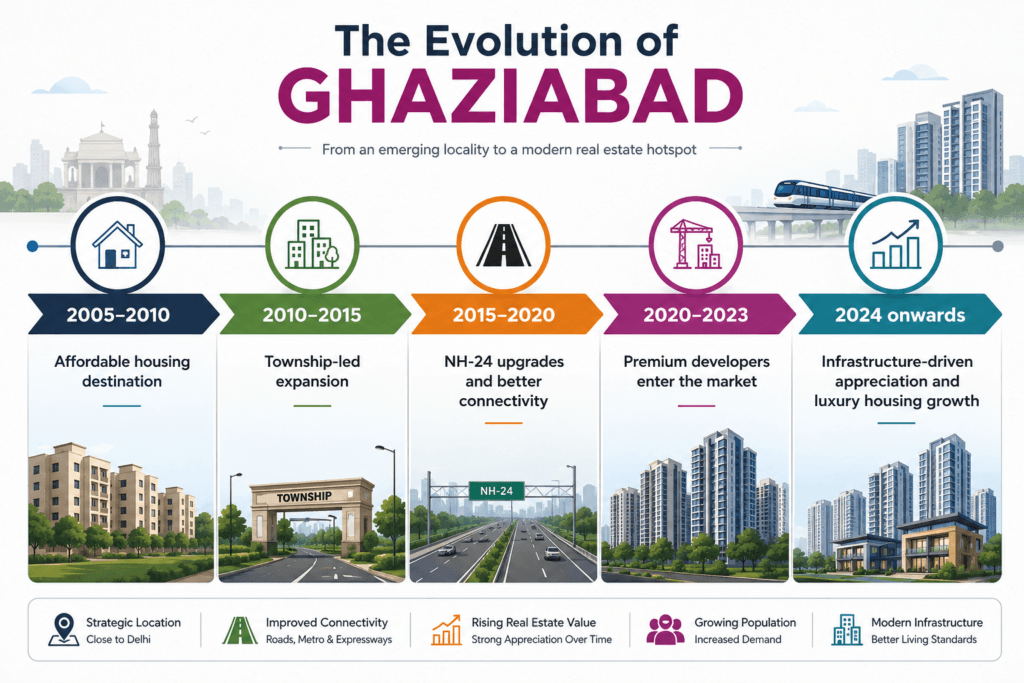
Square Foot Story Insight: The city’s identity has shifted from affordability to value-driven premium living.
Why Infrastructure Changes Everything
Real estate rarely transforms because of buildings alone. Cities evolve when infrastructure changes how people live, work, and travel. This is precisely what is happening in Ghaziabad. Instead of relying on one major catalyst, the city is benefiting from multiple infrastructure projects converging simultaneously.
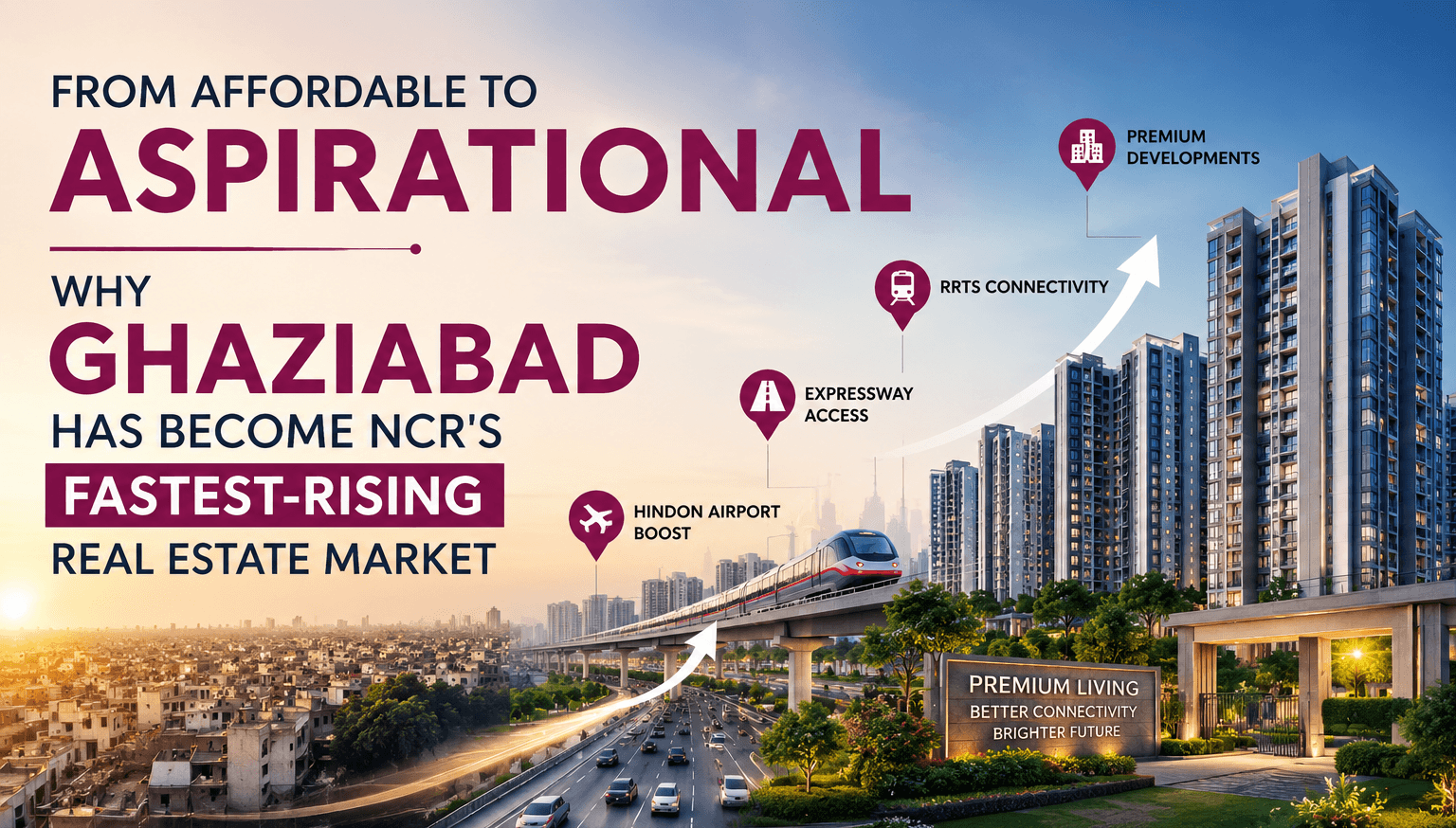
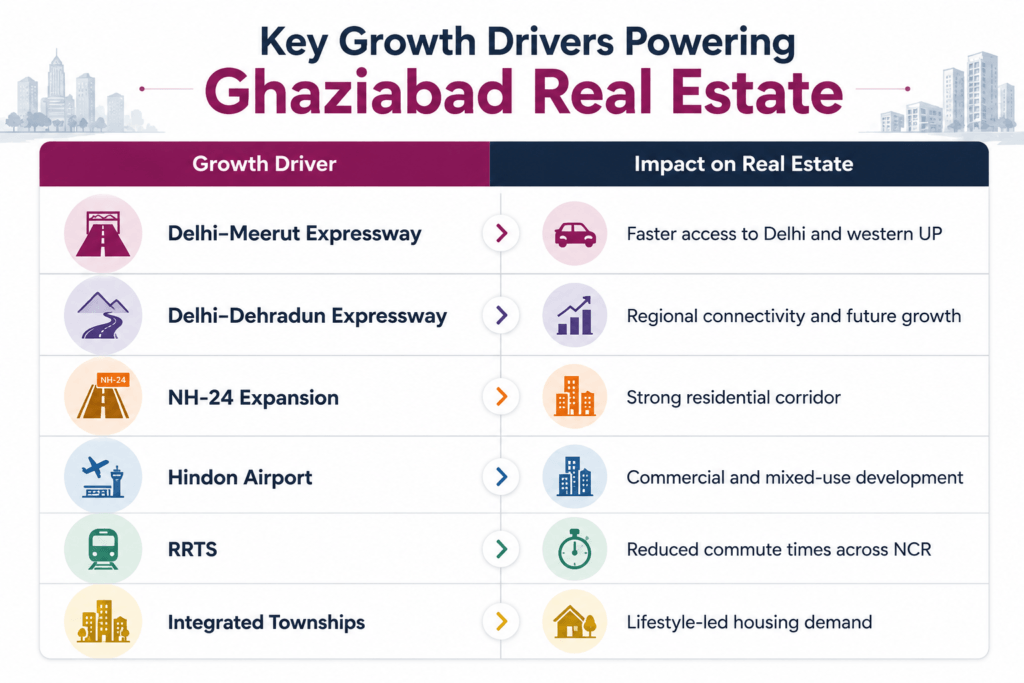
That combination is accelerating both buyer confidence and developer interest. Let’s decode how Delhi-Meerut Expressway, Delhi-Dehradun Expressway, Hindon Airport, NH24, and Regional Rapid Transit System are gaining momentum in Ghaziabad, becoming the growth drivers of the city and a viable option for the developers and the buyers alike.
Infrastructure Catalysts Driving Developer Interest
Delhi–Meerut Expressway: More Than a Faster Highway
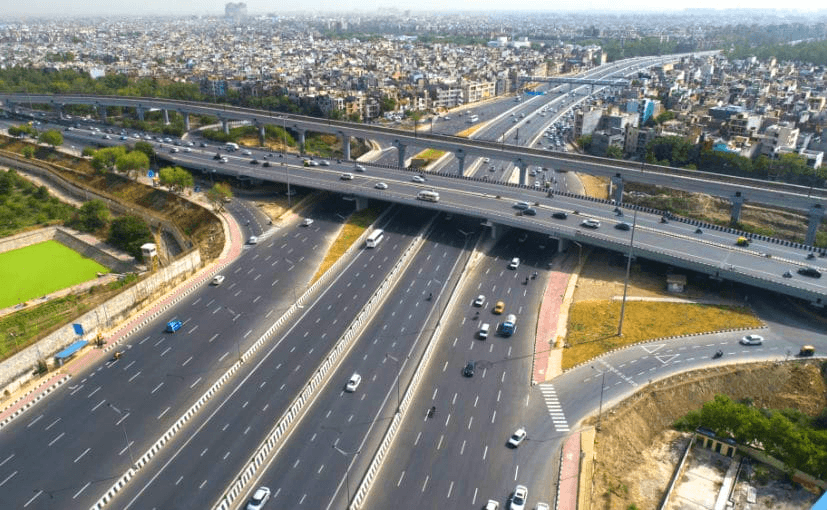
The Delhi–Meerut Expressway is often discussed in terms of reduced travel time. While that is certainly important, its impact extends much further. For homebuyers, the expressway has effectively reduced the psychological distance between Delhi and Ghaziabad.
Locations that once felt inconvenient are now comfortably accessible. For professionals working in East Delhi, Noida or Central Ghaziabad, daily commuting has become significantly easier. For developers, this improved accessibility has expanded the pool of potential buyers willing to consider Ghaziabad for premium housing.
Connectivity is no longer a limitation. It has become one of the city’s strongest selling points.
Delhi–Dehradun Expressway: The Next Growth Multiplier
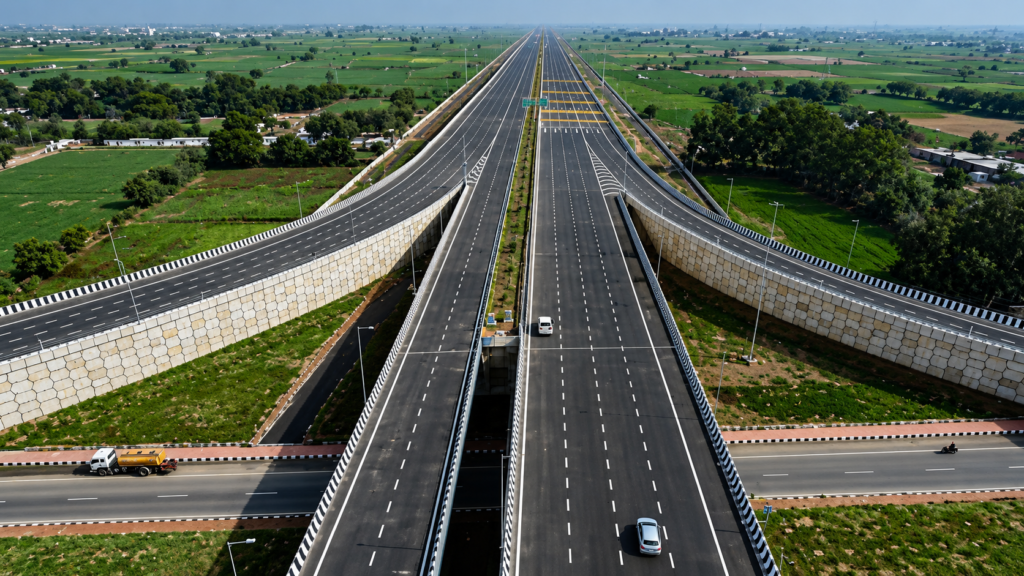
Every city has one infrastructure project that changes its future. For Ghaziabad, the Delhi–Dehradun Expressway has the potential to become that project. The expressway is expected to improve regional connectivity, reduce travel time towards Uttarakhand, and strengthen the city’s position as an important gateway between Delhi and northern India.
Historically, areas around major transport corridors have witnessed increased residential and commercial activity as accessibility improves. While the long-term impact will depend on broader market conditions and future development, improved regional connectivity generally enhances the attractiveness of adjoining residential corridors for both end users and investors.
Hindon Airport Is Creating a New Urban Corridor
Airports do much more than enable travel. They create economic ecosystems. Around the world, airport districts attract hotels, retail, offices, logistics, hospitality and residential development.
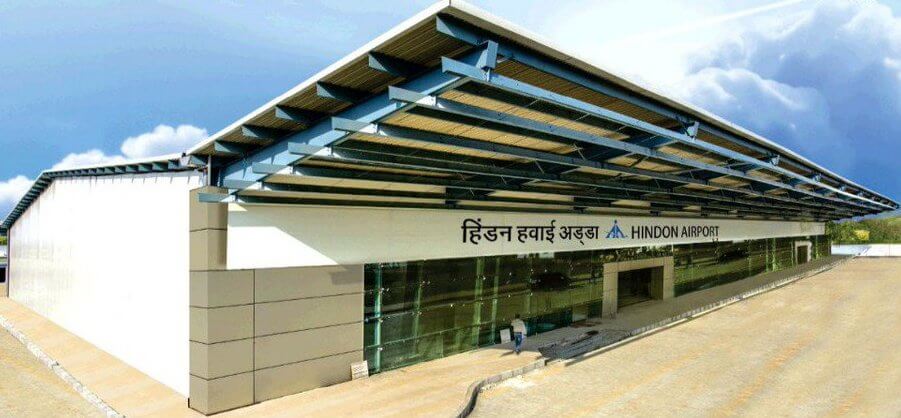
Hindon Airport may not be comparable to a major international aviation hub, but its presence has already begun influencing nearby real estate. Developments in the surrounding area are increasingly integrating commercial spaces, retail opportunities, and residential offerings to serve the growing population.
Projects around the airport are therefore being planned not only as residential addresses but also as mixed-use destinations.
NH-24: From Highway to Growth Corridor
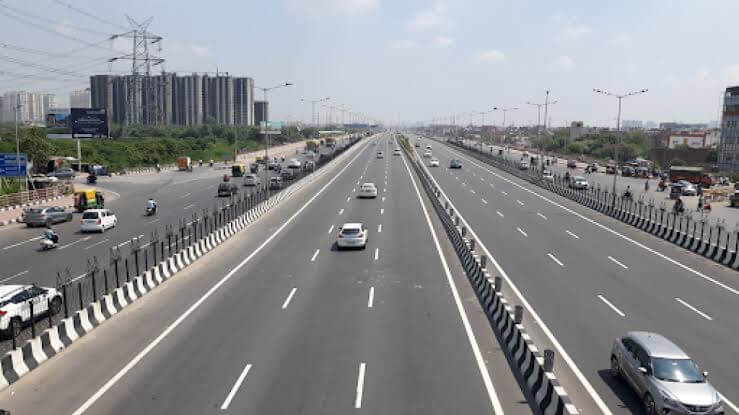
There was a time when NH-24 was simply viewed as a route connecting Delhi to eastern Uttar Pradesh. Today, it is emerging as one of NCR’s most important residential corridors. Improved road width, better traffic management and the clustering of premium residential developments have completely changed how buyers perceive the corridor.
Several developers are choosing NH-24 because it offers:
- Strong regional connectivity
- Better land availability than mature city centres
- Scope for larger residential layouts
- Integrated township development
- Better long-term planning opportunities
For buyers, it translates into something equally valuable larger homes without sacrificing connectivity.
RRTS: Redefining Regional Mobility
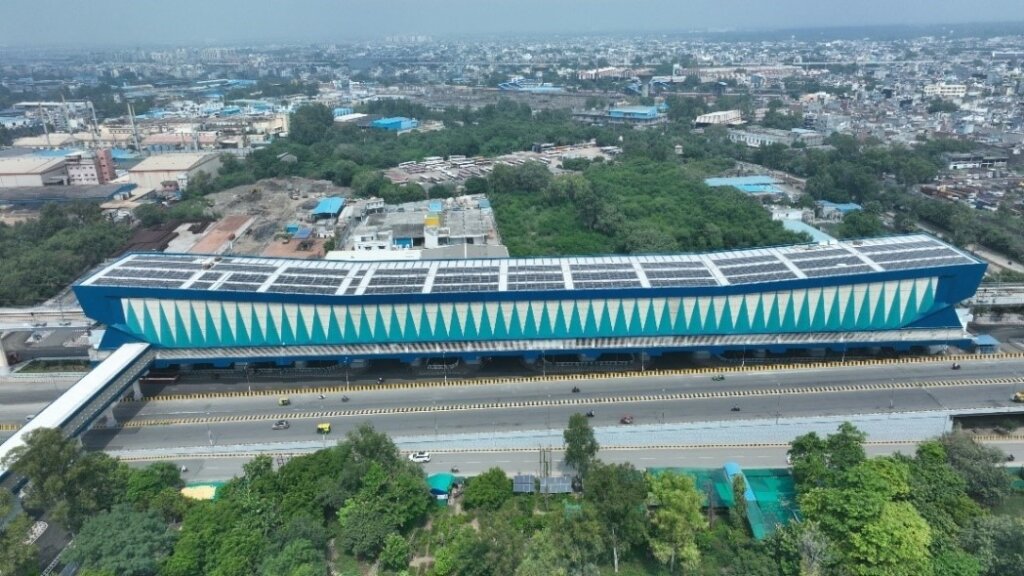
The Regional Rapid Transit System (RRTS) represents another major shift in how NCR functions. Unlike conventional metro systems that primarily serve intra-city travel, RRTS is designed to improve regional connectivity between cities.
For Ghaziabad, this means improved accessibility for professionals, businesses, and commuters who travel frequently across the NCR. Better connectivity often influences residential preferences, especially among buyers who prioritise shorter and more predictable commute times.
While infrastructure alone does not determine property values, enhanced mobility is consistently associated with stronger long-term residential demand.
Why Buyers Are Looking at Ghaziabad Again
Who Is Driving Ghaziabad’s Real Estate Transformation?
Perhaps the biggest sign that Ghaziabad is changing is not the skyline. It is the buyer. Earlier, the market was largely driven by first-time homebuyers looking for affordability. Today’s buyer profile is noticeably different.
Developers are increasingly designing projects for:
- Families upgrading from smaller apartments
- Professionals working in Delhi and Noida
- Buyers seeking larger homes within a fixed budget
- Investors looking for emerging growth corridors
- End users prioritising lifestyle amenities over mere square footage
This evolution in demand is influencing everything from apartment layouts and clubhouse design to landscaping, wellness amenities and community planning.
Developers are responding with projects that no longer compete solely on price but on the overall living experience.
Ghaziabad’s growth story isn’t unfolding evenly across the city. While infrastructure has laid the foundation, three distinct growth corridors are now leading its real estate transformation, each with its own buyer profile, investment potential, and development trajectory.
In Part 2, Square Foot Story takes you inside Raj Nagar Extension, Siddharth Vihar, and Wave City to decode what makes each micro-market unique, which developers are shaping their skylines, and which corridor could emerge as Ghaziabad’s biggest real estate winner over the next decade. Because in real estate, choosing the right city matters, but choosing the right corridor matters even more.
Coming Tomorrow: The Ghaziabad Growth Corridor Series – Part 2: Raj Nagar Extension vs Siddharth Vihar vs Wave City: Inside the Three Corridors Defining Ghaziabad’s Next Decade.
From SFS Desk:
Top-5-luxury-homes-in-noida-greater-noida-2026