



In today’s fast-paced urban India, homebuyers, especially the younger generation, are going back to their roots and redefining what makes a house a home. Beyond square footage and luxury finishes, there is a growing demand for spaces that nurture emotional balance, mental peace, and overall well-being.
Vaastu-led homes are once again gaining interest, not as a blind tradition but as intelligent, practical design principles rooted in climate awareness, natural light, airflow, and harmonious living. In an exclusive interview, Bhavna Satsangi speaks with Sri Harsha M, Director, Pushakalam Developers, to know how Vaastu-led design homes are becoming a choice for today’s young buyers and why their preferences have changed from luxury to comfort living. This trend is reshaping residential real estate in 2026.

SFS: Why do you think Vaastu-led homes continue to hold strong relevance in modern India?
Sri Harsha M: Vaastu has remained relevant in India because it was never built only around belief. Our ancestors designed homes with a deep understanding of climate behaviour, natural directions, human comfort, and emotional balance in living spaces. For generations, Indian families experienced the benefits practically, which is why the trust stayed strong over time. Today’s buyers are approaching Vaastu differently. Earlier generations followed it emotionally, whereas younger and more educated buyers are now trying to understand its logic. They are realising that many Vaastu principles were connected to healthier living patterns and calmer environments. As developers, we see that buyers are not looking at Vaastu as superstition anymore. They see it as a blend of traditional wisdom and practical living intelligence that still feels highly relevant in modern urban housing.
SFS: How has buyer perception toward Vaastu evolved over the years?

Sri Harsha M: The perception around Vaastu has evolved from emotional belief to understanding. Earlier, most families followed Vaastu because it was passed down across generations, but people never questioned the reasoning behind it. Today, buyers are more aware and analytical. They want to understand why certain principles exist and how they influence everyday living. What is interesting is that educated homebuyers are now recognising the scientific side of Vaastu. Concepts around directional planning, space usage, energy movement, thermal comfort, and psychological balance are beginning to make more sense in modern urban life. That shift has made Vaastu feel more practical, intelligent, and relevant rather than purely traditional.
SFS: Do you believe today’s interest in Vaastu is driven more by wellbeing than tradition?
Sri Harsha M: I would say today’s interest comes from a combination of both tradition and awareness. Indian families have always emotionally valued Vaastu, but what has changed now is that buyers are understanding the practical impact behind those principles. Even younger professionals today are consciously preferring homes that feel emotionally and mentally calming.
After the pandemic, especially, people became more aware of how deeply houses influence overall peace of mind. This naturally pushed buyers to revisit older Indian planning wisdom with a fresh perspective. Many realised that Vaastu was not merely ritual-driven. It was designed around human wellbeing and environmental balance.
We clearly see that modern buyers are no longer rejecting traditional thinking. They are rediscovering the intelligence behind it and integrating it with contemporary urban living expectations.
SFS: Why are younger homebuyers also showing interest in Vaastu-oriented homes?
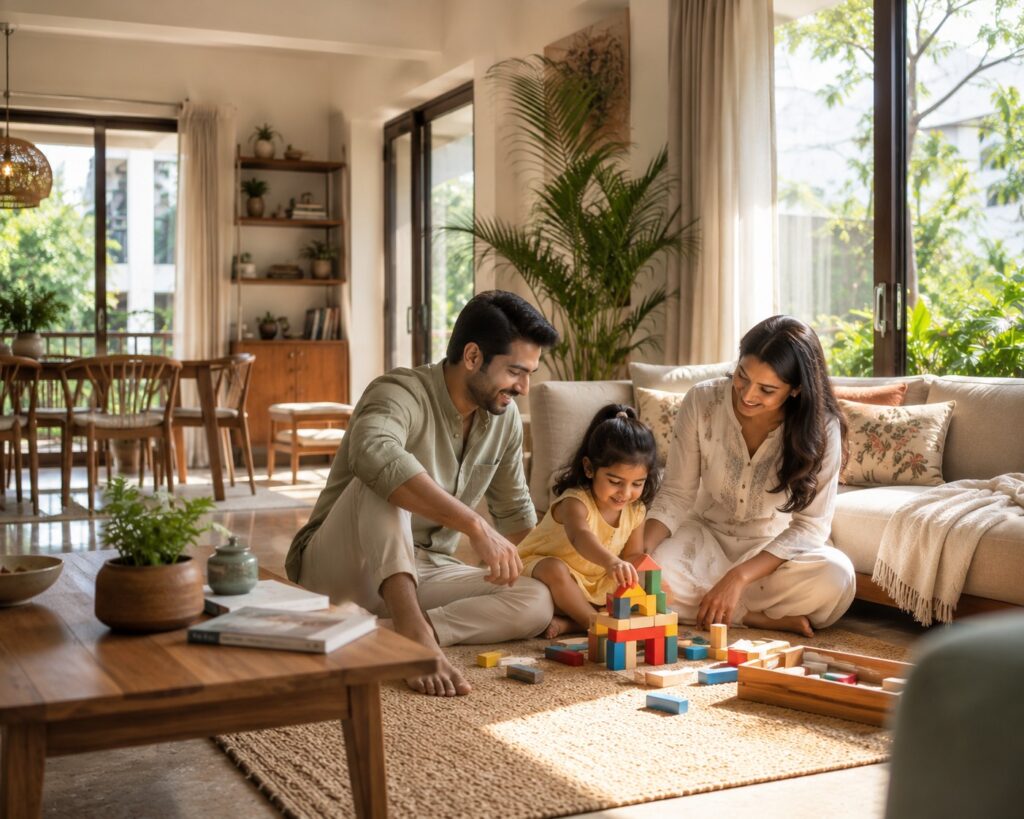
Sri Harsha M: Younger homebuyers today are far more informed. They research deeply before making decisions, and many are discovering that traditional Indian principles have strong practical logic behind them. The generation is not following Vaastu simply because elders insist on it, but they are understanding how certain layouts create better harmony inside the home.
Modern urban life is becoming increasingly stressful and disconnected, especially for younger professionals living in fast-paced cities. Because of that, they are naturally drawn toward homes that feel more emotionally grounding. We are seeing that younger buyers want homes that offer stability and long-term comfort rather than only visual luxury. Vaastu compatibility, therefore, creates an added sense of confidence, familiarity, and emotional connection during the home-buying decision.
SFS: Has Vaastu become more of a lifestyle and wellness preference today?
Sri Harsha M: Absolutely, Vaastu today is increasingly becoming part of a larger lifestyle conversation. Earlier, buyers viewed it mainly through tradition. Today, people are connecting it with the overall quality of life. In many ways, modern buyers are rediscovering why Indian homes were designed in certain ways for generations.
We see that buyers today want homes that feel mentally peaceful amid increasingly chaotic urban lifestyles. They are becoming more conscious about how spaces influence daily comfort. This is where Vaastu is finding renewed relevance. It is no longer only about beliefs. Buyers now see it as a thoughtful approach toward creating balanced living environments that support healthier and more meaningful everyday experiences.
SFS: How can home design directly influence emotional and mental well-being?
Sri Harsha M: Homes influence human emotions much more deeply than people realise. In Indian culture, especially, homes have always been seen as spaces where families recharge emotionally, connect, and find stability from outside pressures. That is why design plays such an important role.
When spaces feel cluttered or disconnected, it gradually affects emotional comfort. On the other hand, homes designed with balance, thoughtful movement, and privacy create a completely different emotional experience. Our ancestors understood this deeply, which is why traditional Indian homes were planned very intentionally.
We can clearly see that buyers are becoming emotionally aware of these aspects. They are no longer purchasing homes only for investment value. They want spaces that genuinely improve how families feel and live every single day.
SFS: In what ways do Vaastu principles contribute to a healthier living environment?
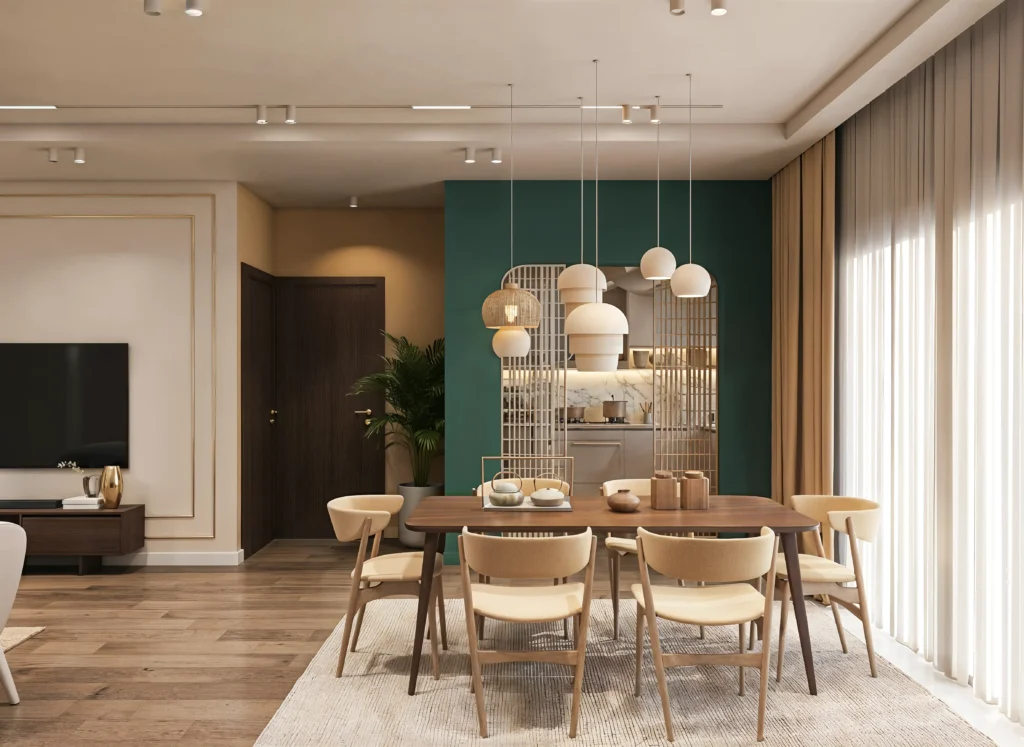
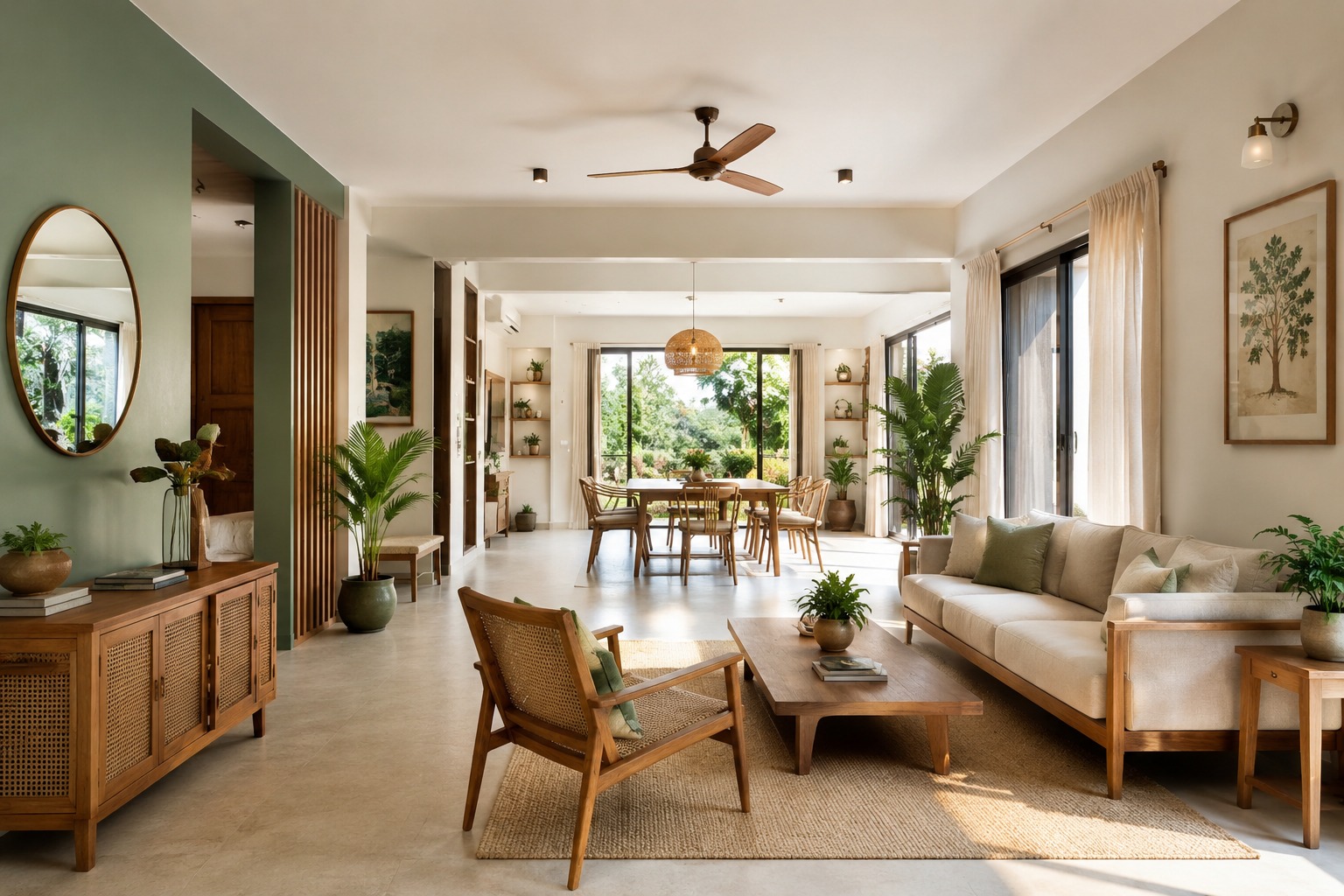
Sri Harsha M: Many Vaastu principles are closely connected to practical planning and environmental comfort. In residential projects, they often translate into better orientation, healthier airflow, improved daylight, and more balanced use of space. From a developer’s perspective, homes with good natural light and ventilation automatically feel more comfortable and breathable. They create a healthier indoor atmosphere and reduce the sense of congestion that many urban apartments struggle with today. Vaastu also encourages better spatial movement, which subconsciously affects how people experience a home emotionally. Buyers may not always explain it technically, but they immediately recognise when a home feels positive and comfortable. That is why many developers today combine broad Vaastu-aligned planning with modern architecture to create homes that feel more liveable for long-term family living.
SFS: How important are factors like sunlight, airflow, openness, and spatial balance in modern homes?
Sri Harsha M: Vaastu principles were created by observing how people interact with nature and built spaces over generations. Many of these principles focused on maintaining balance between the five natural elements and creating environments that supported physical and emotional well-being. For example, traditional Indian homes were carefully planned around direction, movement, temperature behaviour, and family interaction patterns. These decisions were not random. They were based on practical living experiences that improved comfort and harmony inside the house.
We see that buyers today are understanding this scientific side of Vaastu. They recognise that balanced spaces often feel more comfortable, calmer, and emotionally positive. That is why Vaastu continues to stay relevant even in modern apartment living. It creates a stronger sense of emotional connection between people and their homes.
SFS: Can thoughtfully planned homes improve the quality of everyday life for families?
Sri Harsha M: Absolutely, a thoughtfully planned home shapes how families live, interact, and emotionally experience daily life over many years. In Indian households, especially, homes are not just private spaces. They are deeply connected to relationships, routines, emotional comfort, and family bonding. Our traditional philosophies have 56651*always understood this emotional dimension of housing. Spaces were designed intentionally to create harmony, movement, and connection between family members. Today, buyers are beginning to value those qualities again.
We have realised that families remember comfort and emotional ease much more than luxury finishes after possession. Homes that feel balanced and practical naturally create smoother daily living experiences. Ultimately, good planning improves not only functionality but also peace of mind, family interaction, and long-term emotional satisfaction.
SFS: Do you think people today are seeking calmer and more balanced living spaces amid increasingly stressful urban lifestyles?
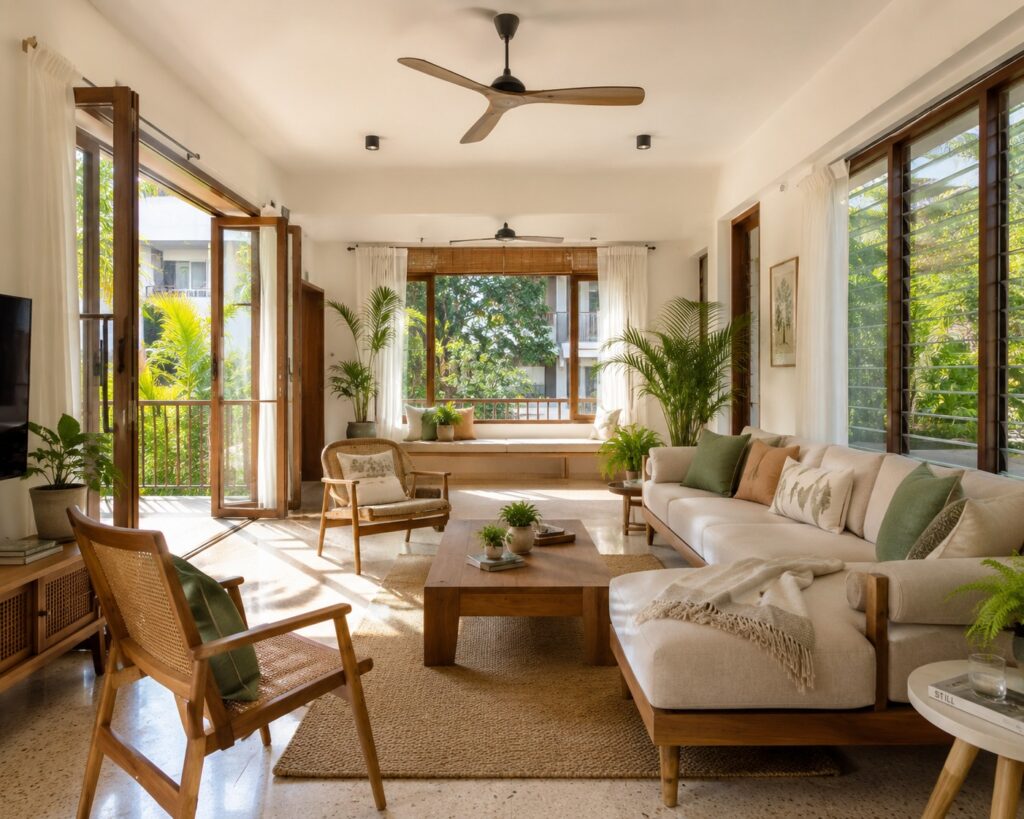
Sri Harsha M: Without doubt, modern urban life has become mentally exhausting for many families today. Long work hours, constant digital exposure, traffic stress, and highly fast-paced lifestyles are changing what buyers expect from housing. People no longer see homes only as financial assets or status symbols. They want homes that emotionally support them after demanding daily routines. This is exactly why older Indian concepts around balance, harmony, and calmer living environments are finding relevance again.
We clearly see that buyers are moving away from purely flashy housing conversations. They are now prioritising peaceful surroundings, stronger community feeling, and better long-term livability. In many ways, people today are searching for homes that help them feel more grounded, connected, and mentally settled within increasingly stressful urban environments.
SFS: What should homebuyers prioritise when choosing a home today?
Sri Harsha M: Beyond pricing and location, they need to focus on developer credibility, RERA compliance, legal transparency, construction quality, and long-term livability. As developers, we always advise buyers to know the fundamentals carefully. Buyers should verify approvals, execution track record, land ownership clarity, and how responsibly the project is planned for future living. Sustainability, density, community planning, water management, and quality of construction will significantly impact everyday life over time.
At the same time, buyers should also trust how a home feels emotionally. Indian homebuyers have always valued homes that create stability, peace, and comfort for the family. Ultimately, the right home should offer both practical confidence and emotional reassurance for the long term.
For latest Projects: https://pushkalamdevelopers.com
From SFS Desk:
https://squarefootstory.com/stamp-duty-a-guide-for-every-property-buyer/
https://squarefootstory.com/from-clv-to-cev-why-real-estates-future-lies-in-engagement-not-just-transactions/