




Building Spaces That Leave a Lighter Footprint
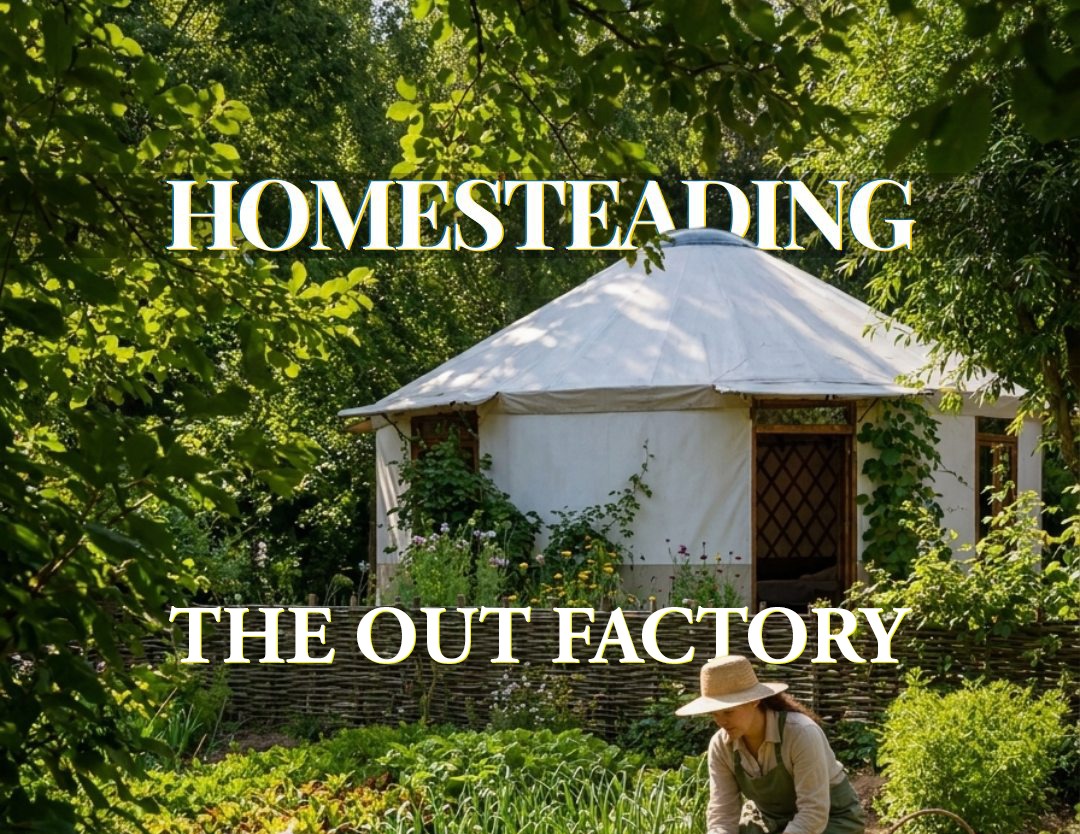
For Praveen Krishnaiah, Founder of The Out Factory, sustainability begins with a simple question: Can we create spaces that work with nature rather than against it?
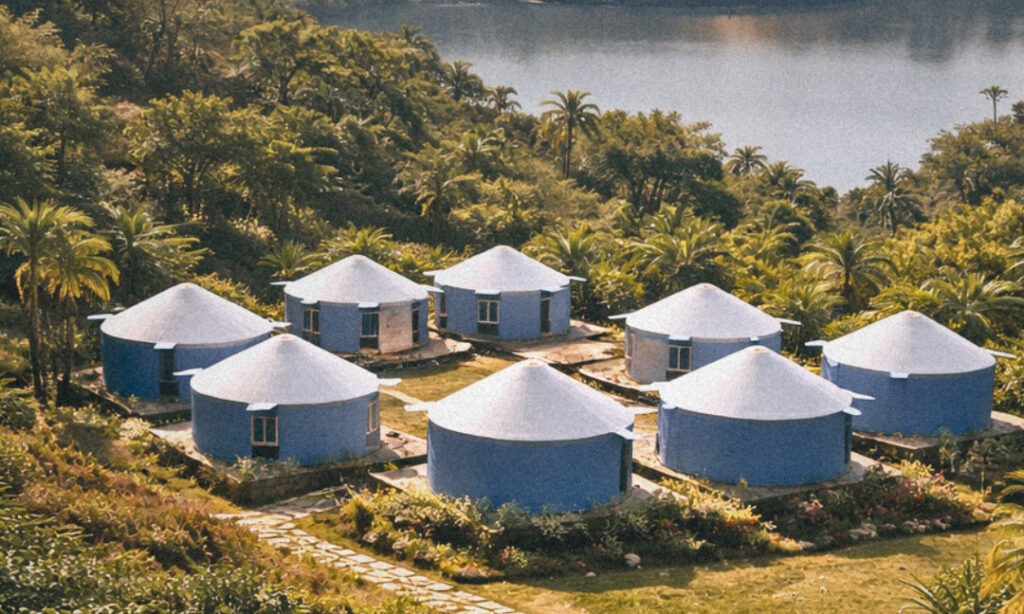
That question has shaped the company’s approach to outdoor architecture. Instead of conventional construction, The Out Factory designs modular yurts that are built to last, adapt to changing needs, and evolve. Their belief is straightforward, when structures can be reused, relocated, and repurposed, there is less need for demolition, less waste, and a significantly smaller environmental footprint.
Why This Change Matters
The inspiration came from witnessing the amount of waste generated by traditional building practices. Temporary structures often become permanent burdens on the environment, while new construction frequently requires extensive land disturbance and resource consumption.
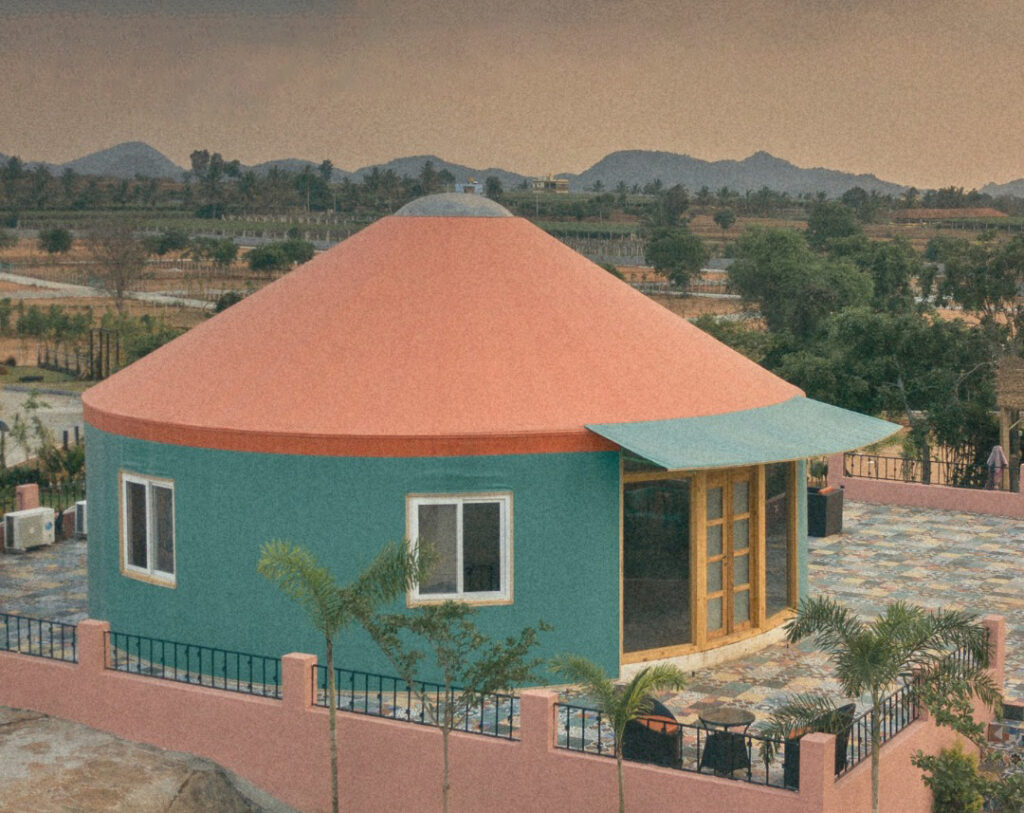
The Out Factory chose a different path. Guided by its philosophy of Unthink the Usual, the company set out to create spaces that are gentle on the land, easy to move when required, and durable enough to serve generations of users.
Change in Action
Sustainability is embedded into every yurt that leaves The Out Factory’s workshop.
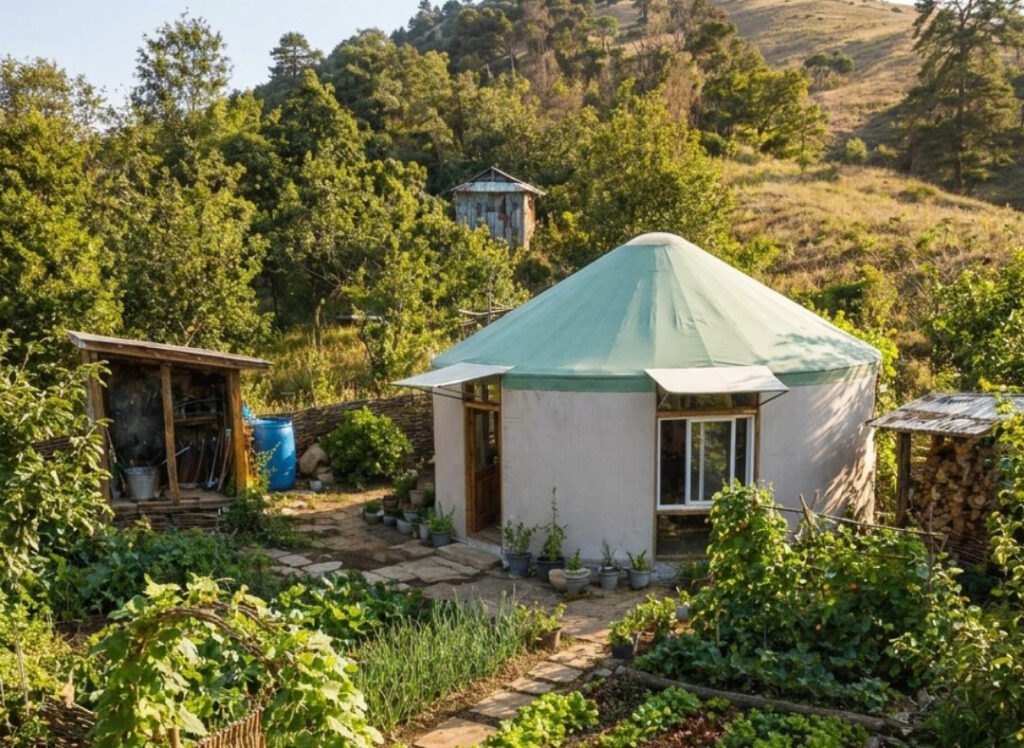
The structures are built using certified Canadian structural wood, durable French outer fabrics, and a reflective insulation system designed to improve energy efficiency throughout the year. Unlike conventional buildings, yurts require minimal foundations, reducing disruption to soil and surrounding ecosystems.
Their modular design allows owners to relocate, expand, or adapt their spaces without starting from scratch. Rather than demolishing and rebuilding, users can reconfigure existing structures to meet new requirements. The company also works closely with clients to customise only what is necessary, helping avoid excess material consumption from the outset.
Even within daily operations, small choices matter. By shifting design documentation, manuals, and client communication to digital platforms, The Out Factory has significantly reduced paper consumption while creating a more streamlined workflow.
The Difference So Far
The environmental benefits of this approach extend well beyond construction.
Minimal foundations reduce land disturbance. Durable materials extend product life cycles and reduce replacement needs. High-performance insulation lowers energy consumption for heating and cooling, while modularity dramatically reduces construction waste. The company also encourages clients to integrate rainwater harvesting and passive cooling strategies into their yurt installations, further reducing resource use over time.
“A change in my backyard means creating spaces that respect nature, use fewer resources, and inspire others to do the same,” said Praveen Krishnaiah, Founder, The Out Factory
Looking Ahead
Rohan believes the future of sustainable manufacturing lies in designing products that last and adapt.
Over the next five years, he hopes to see the industry embrace circular design principles more fully, creating products that can be reused, repurposed, or recycled at the end of their lifecycle. Greater transparency in sourcing and a stronger commitment to reducing environmental impact at every stage, he believes, will help move the entire sector forward.
Innovation at The Out Factory
Innovation is at the heart of everything we do. At TOF, we constantly challenge ourselves to rethink what’s possible in modular architecture and outdoor living. Our approach blends traditional wisdom with cutting-edge technology to create yurts that are both timeless and future-ready.
Design Philosophy
We believe in “Unthink the usual.” Every TOF yurt is a blend of timeless circular architecture and modern engineering, designed to inspire and invite people closer to nature.
Sustainability Commitment
We prioritise materials and processes that are durable, energy-efficient, and gentle on the environment. Our modular approach means less waste and more flexibility for the future.
Environment Day Message
Every small step matters. When we choose thoughtful design, sustainable materials, and mindful habits, we shape a greener future right from our own backyards. By caring for our environment and rethinking the way we build, we can create spaces that are not only beautiful but also kinder to the planet.
From SFS Desk:
https://squarefootstory.com/dakhin-dilli-a-journey-of-sacred-art-from-north-to-south-india/
https://squarefootstory.com/gurugram-luxury-housing-boom-what-first-time-buyers-need-to-know/
https://squarefootstory.com/from-luxury-villas-to-sky-villas-future-of-premium-housing/