






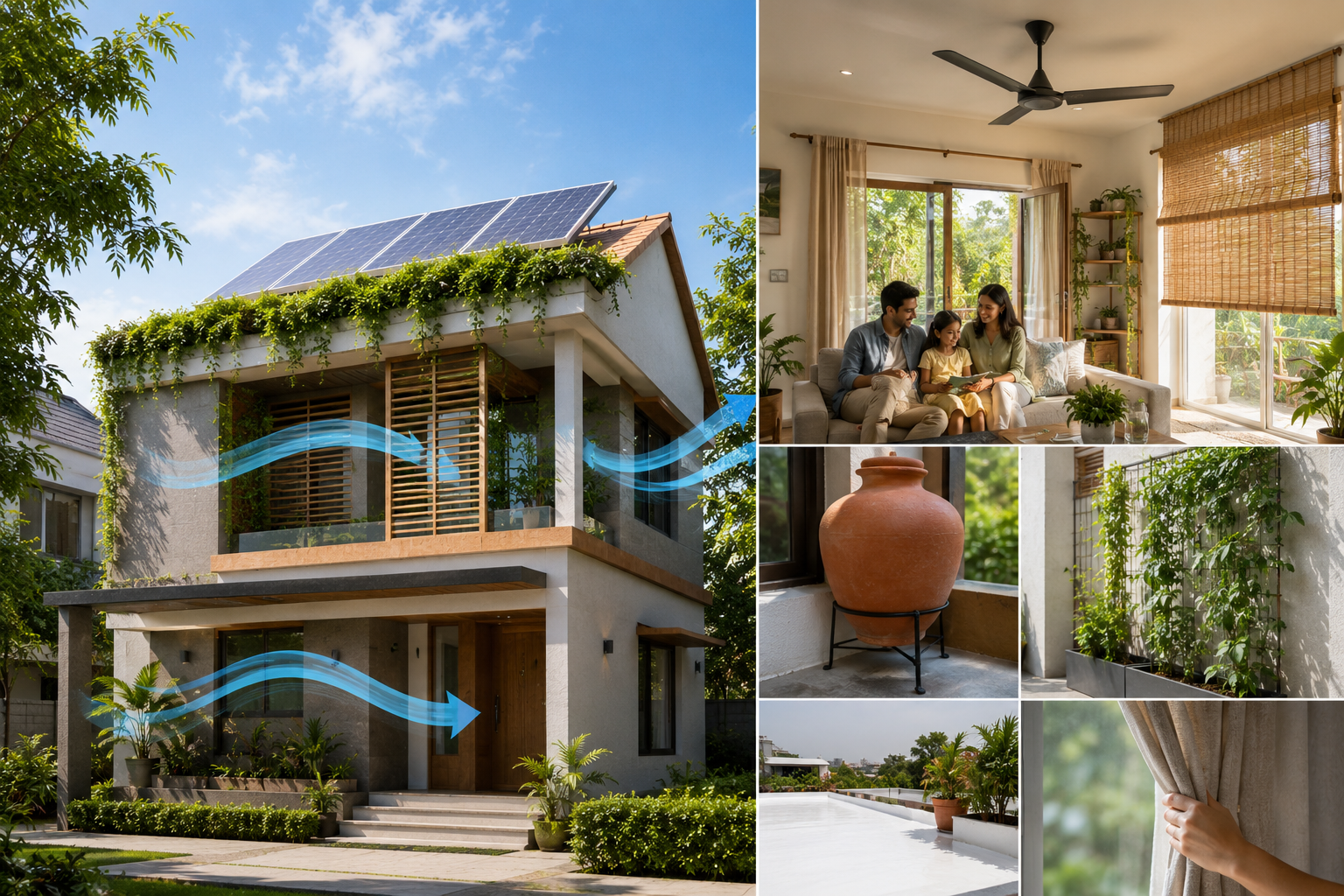
As the temperatures are soaring to 45-50 degrees Celsius in regions like Delhi-NCR, it is driving all of us to seek relief from the scorching heat. Meanwhile, the challenges to indoor comfort, health, and household budgets are going for a toss. Rising electricity costs and environmental concerns further amplify the need for sustainable cooling strategies.
To address this, we have explored a comprehensive range of passive and active techniques, traditional methods. Solar integration and innovative products like the Helium Air Conditioner and Vaayu India system solutions are techniques that can lower electricity bills.
By combining low-cost traditional approaches with modern solutions, homeowners can achieve effective cooling while substantially reducing energy bills.
Passive cooling techniques
Passive methods minimize heat gain and promote natural ventilation without relying on electricity. These are foundational, low or no-cost strategies suitable for most Indian homes.
Reflective roof paints or tiles: Using reflective roof paints can reduce the heat by up to 20 degrees Celsius. For a 1500 Sq ft roof, a double coat will cost: Materials- INR 24,000, Labour- INR 15,000, Total cost comes to under INR 40,000. This technique can save upto 10-15% air conditioning cost. For better results, reflective tiles are more durable. They look better, but they can burn your pockets. The cost for reflective tiles is 1.5 lakhs to 2 lakhs for 1500 sq. ft. They cut heat absorption by up to 30%, lower indoor temperature by 2-5 degrees Celsius and save 15-20% less air conditioning cost. This goes best with the solar reflectance index. White and light colours work best.
Strategic Shading and Ventilation: Close curtains or blinds during peak sunlight hours and open the doors during the evening for cross-ventilation in the room. Use exhaust fans in the kitchen and bathrooms. Expected benefits: noticeable temperature reduction with zero additional cost.
Glass: Big windows or a sliding glass facade are good for light but not for heat. To bring down the temperature of the rooms, the effective solution is bamboo chicks outside windows. They stop sun rays from hitting the glass and also add a traditional touch. Two 3×6 ft. chicks will cost INR 10,000. Homes with large glass facades are exposed to direct sunlight. Multi-layer glazing provides excellent insulation and they block heat as well as sun rays. Double pane will cost INR 200 to INR 400 per sq. ft. Triple pane will cost INR 800 to INR 1200 per sq. ft.
Traditional Cooling Ideas
Chuna (Lime) whitewash on Terrace/Roof: Mix slaked lime (chuna) with water, optionally adding Fevicol or Fixit URP for durability. This reflective coating can lower roof surface temperature from 44°C to 28–30°C. Cost: ₹800–1,000 for a typical terrace (under ₹2 per sq ft). Reapply every 1–2 years or use enhanced mixes for longer life. Highly effective and affordable.
Terracotta/Kulhad Insulation: Place inverted clay pots or broken terracotta pieces on the roof to create an air gap for insulation. Cost: Low (₹5,000–15,000 depending on scale; uses recycled materials). Can reduce indoor heat significantly.
Khus (Vetiver) Curtains: Hang vetiver grass screens on windows and balconies; sprinkle with water for evaporative cooling (5–10°C drop). Cost: ₹500–2,000 per set, reusable for years. Adds fragrance and air purification.
Earthen Pots (Matkas): Position multiple clay pots strategically. Minimal cost (₹100–300 each) with ongoing evaporative cooling.
Other practices include mopping the floor with water in the afternoon and using breathable clothing like cotton, linen, and khadi fabrics for upholstery. Planting trees for shade or a rooftop garden.
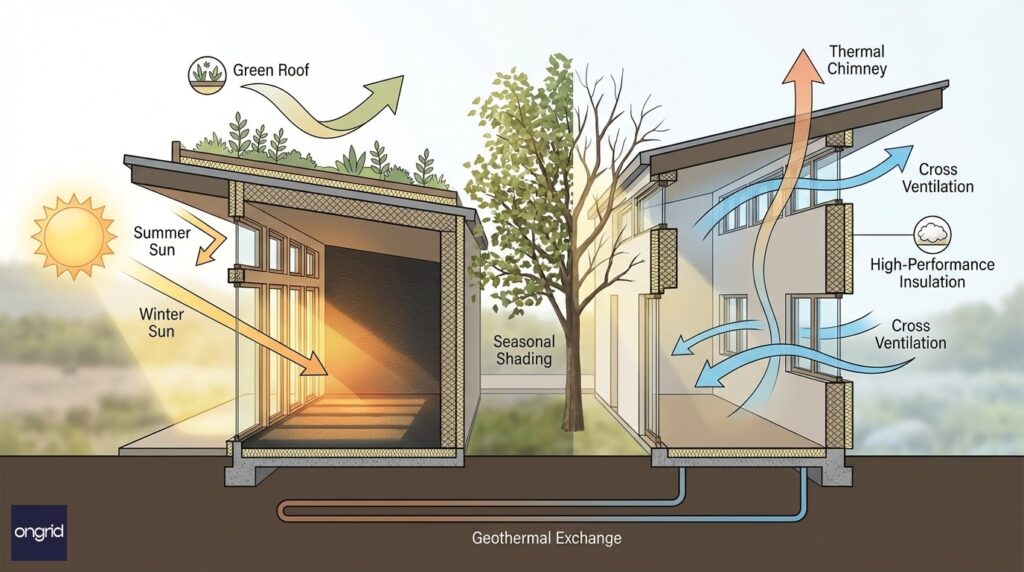
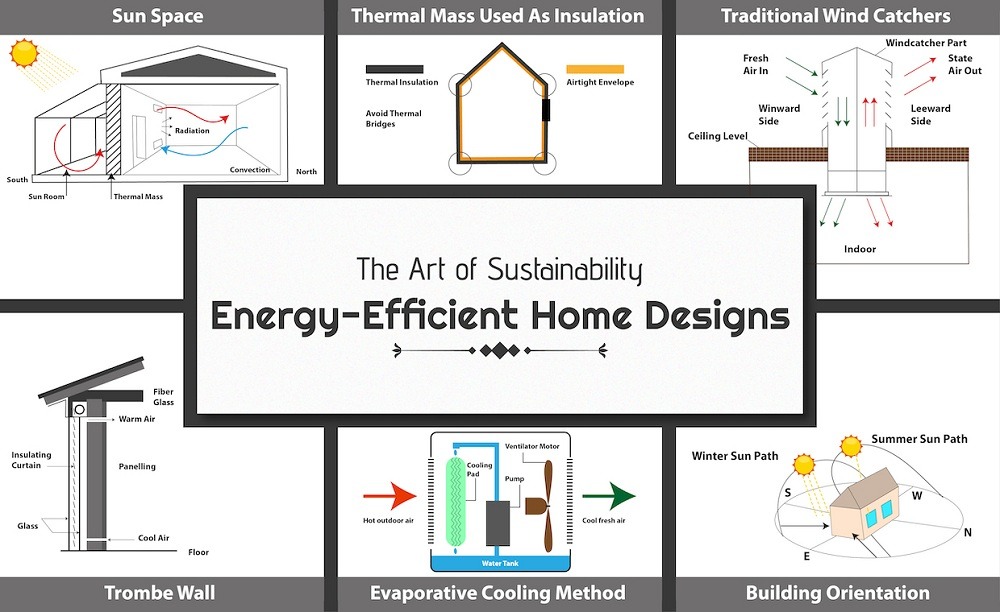
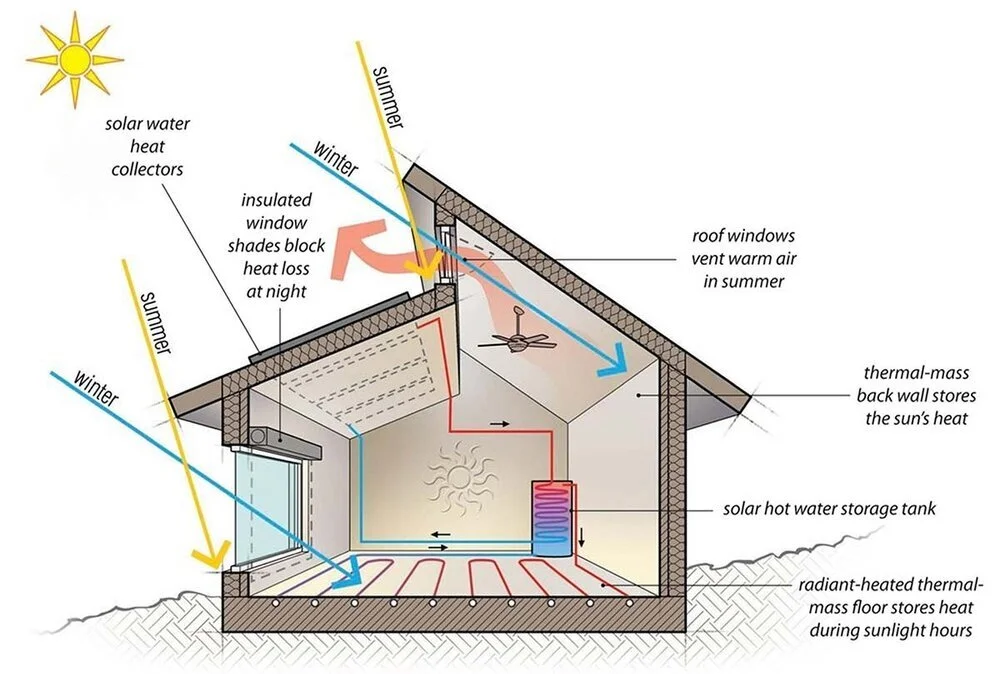
For enhanced comfort, passive method with efficient appliances is used.
- Ceiling and Exhaust Fans: Energy-efficient models (₹1,500–4,000). Use counter-clockwise in summer.
- Evaporative Air Coolers: Suitable for dry climates (₹5,000–15,000).
- Inverter Split ACs: High ISEER ratings (3-star+); properly sized units cost ₹25,000–50,000+.
- Dehumidifiers and Smart Thermostats: Improve efficiency (₹5,000–20,000).
Maintenance (annual servicing ₹1,000–2,000) is critical for performance and safety.
Solar Control Films: They also reduce heat gain, glare and UV radiation. The cost comes at INR 60 to INR 100 per sq. ft.
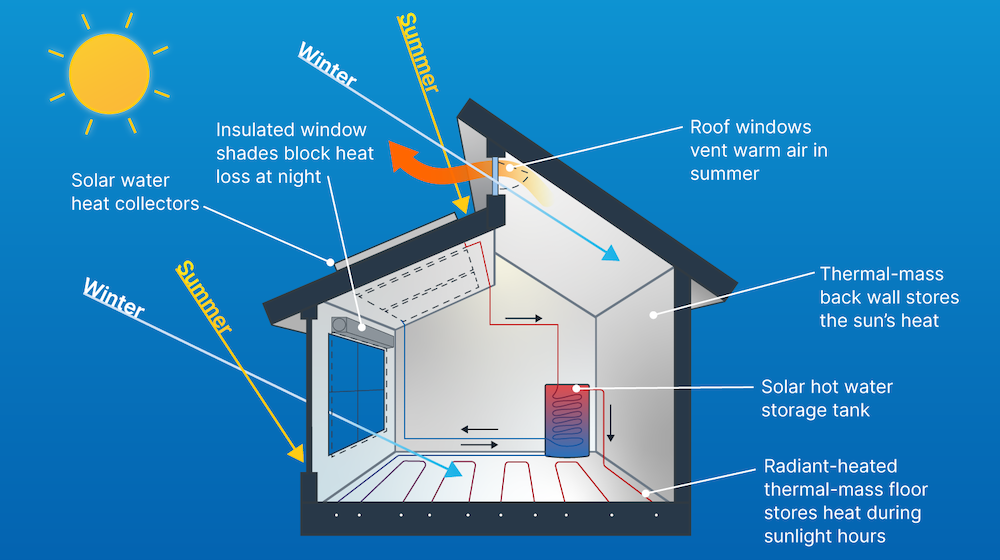
Solar panels give dual benefits of cooling and bill reduction. Rooftop solar panels provide shading, reducing roof and indoor temperatures by approximately 3-5 degrees Celsius while generating electricity to power the cooling system. In India, with the net metering policy, a typical3-5KW system can offset AC usage. The cost comes around 1.5 Lakh-3 Lakh after subsidies, but this can pay back in 4-7 years, bringing significant long-term savings.
Innovative Sustainable Cooling Solutions
Helium Smart Air AC: Helium Smart Air offers compact 0.8-ton inverter split ACs designed for 100–120 sq ft rooms. Features include AI optimisation, app control, gas leak detection, a 4.4 ISEER rating, and operation up to 52°C.
Pricing: Launch/special price around ₹16,990–21,990 + GST (regular ₹33,900).
Benefits: Right-sizing and smart features reduce energy use (runs at ₹30/day). Gas leak alerts enhance safety, mitigating risks of refrigerant-related issues or pressure problems. Solar-compatible models further lower bills. Ideal for modern urban homes.
Vaayu India Products: Vaayu Aircon provides hybrid fresh-air cooling systems combining evaporative and compressor technologies.
Key Benefits: Up to 20°C temperature drop, 80% energy savings (e.g., 1,650W vs. 10,000W for traditional systems), 100% fresh air, and healthier indoor environments. Suitable for homes and larger spaces.
Pricing: Hybrid models range from ₹30,000–50,000+ depending on capacity (e.g., MIG 30 for 1,000 sq ft). Project Vaayu terracotta-based coolers are more affordable for basic use.
Advantages: Lower bills, reduced humidity control issues in moderate climates, and eco-friendly operation compared to conventional ACs.
Maintenance, Safety, and Long-Term Strategies
With regular AC servicing, proper refrigerant handling, and smart monitoring, it will reduce the risks like gas leaks or system failures. Combine passive, active, and innovative methods for optimal results. Calculate potential savings: traditional roof treatments + solar + efficient ACs can cut bills by 40–70%.
Conclusion
Effective home cooling in peak summers requires a balanced approach integrating traditional wisdom, efficient appliances, solar power, and smart innovations like Helium and Vaayu systems. Homeowners in Delhi NCR and similar regions can achieve comfort sustainably while controlling costs. Assess your specific home conditions, consult professionals for installations, and begin with low-cost passive measures for immediate impact. Sustainable choices today ensure cooler, more affordable summers ahead.
From SFS Desk:
A Change In My Backyard: The Out Factory
Why Material Quality, Craftsmanship, And Refined Minimalism Are Redefining Premium Homes
One Chair at a Time: How Aparna Patodia Built The LookBook Co.